
From Prototypes to Plečnik’s Ljubljana and New Perspectives on Design
Thursday, 8 October, may not have brought us the best weather, but a little rain certainly wasn’t going to slow us down! The sixth day of Urban October was once again filled with creativity, exploration and fresh perspectives on design. This time, our activities were spread across HDMI on Gerbičeva Street, a guided exploration of Plečnik’s Ljubljana and afternoon workshops at the Faculty of Design on Dunajska Street.
Our students were approaching the final stages of the OFFICE3000 project, international guests were discovering Ljubljana’s architectural heritage, and the afternoon programme opened up important questions about the future of housing, the changing role of design and visual communication in contemporary society.
OFFICE3000 – When Ideas Start Taking Shape
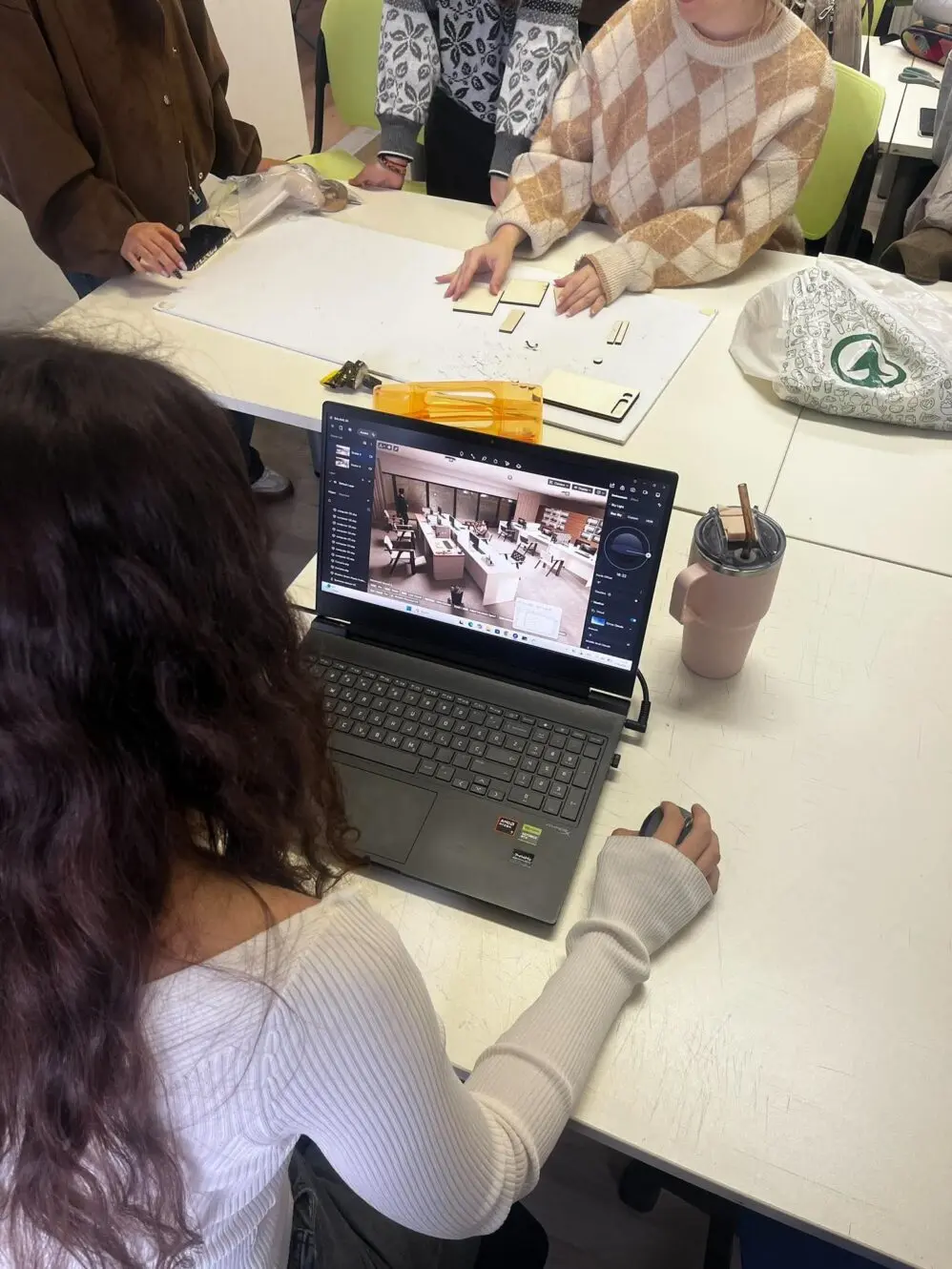
The morning began at HDMI – House of Design Management and Innovation, located at Gerbičeva 51, home to our Prototyping and Laser Cutting Lab.
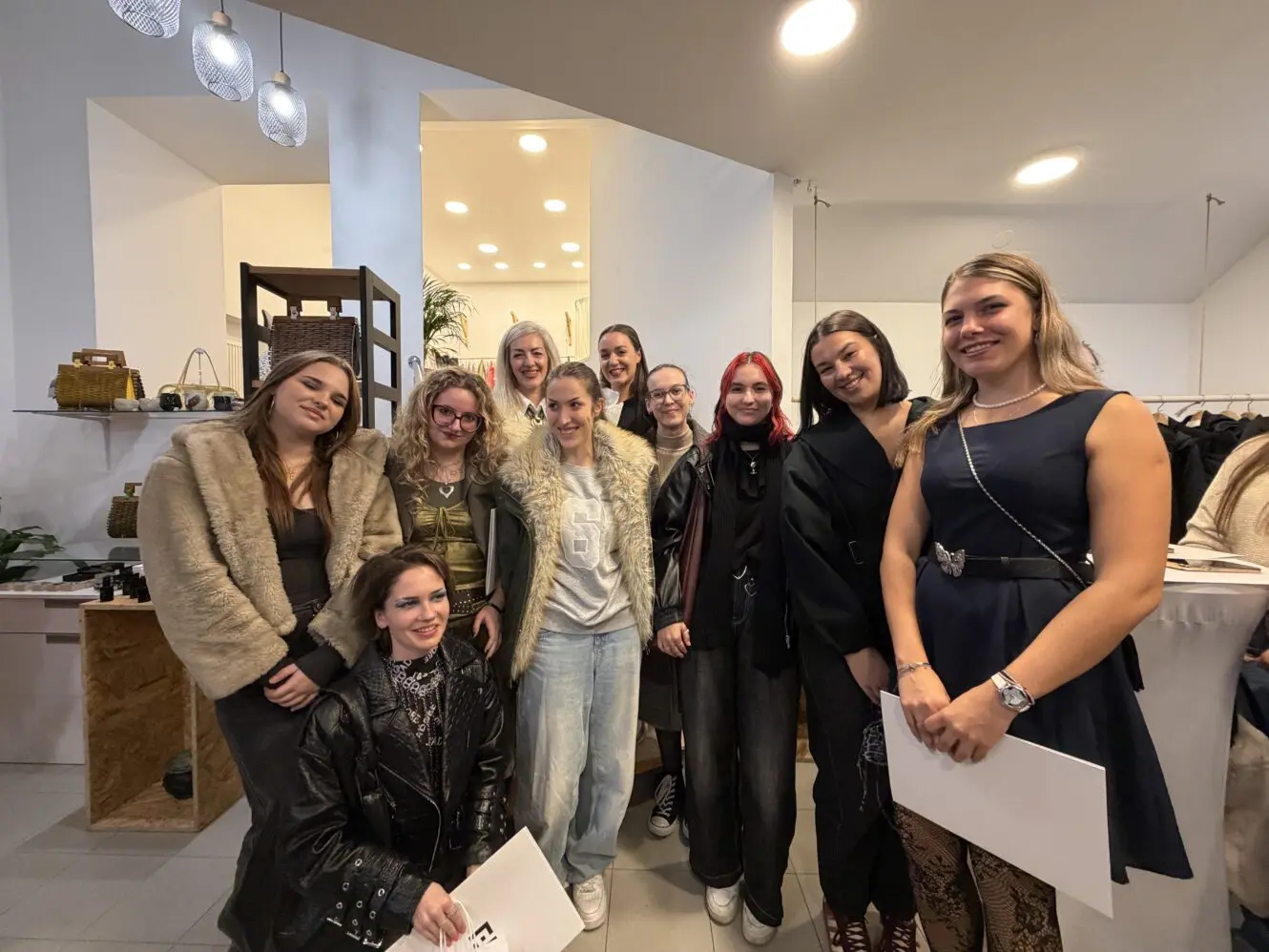
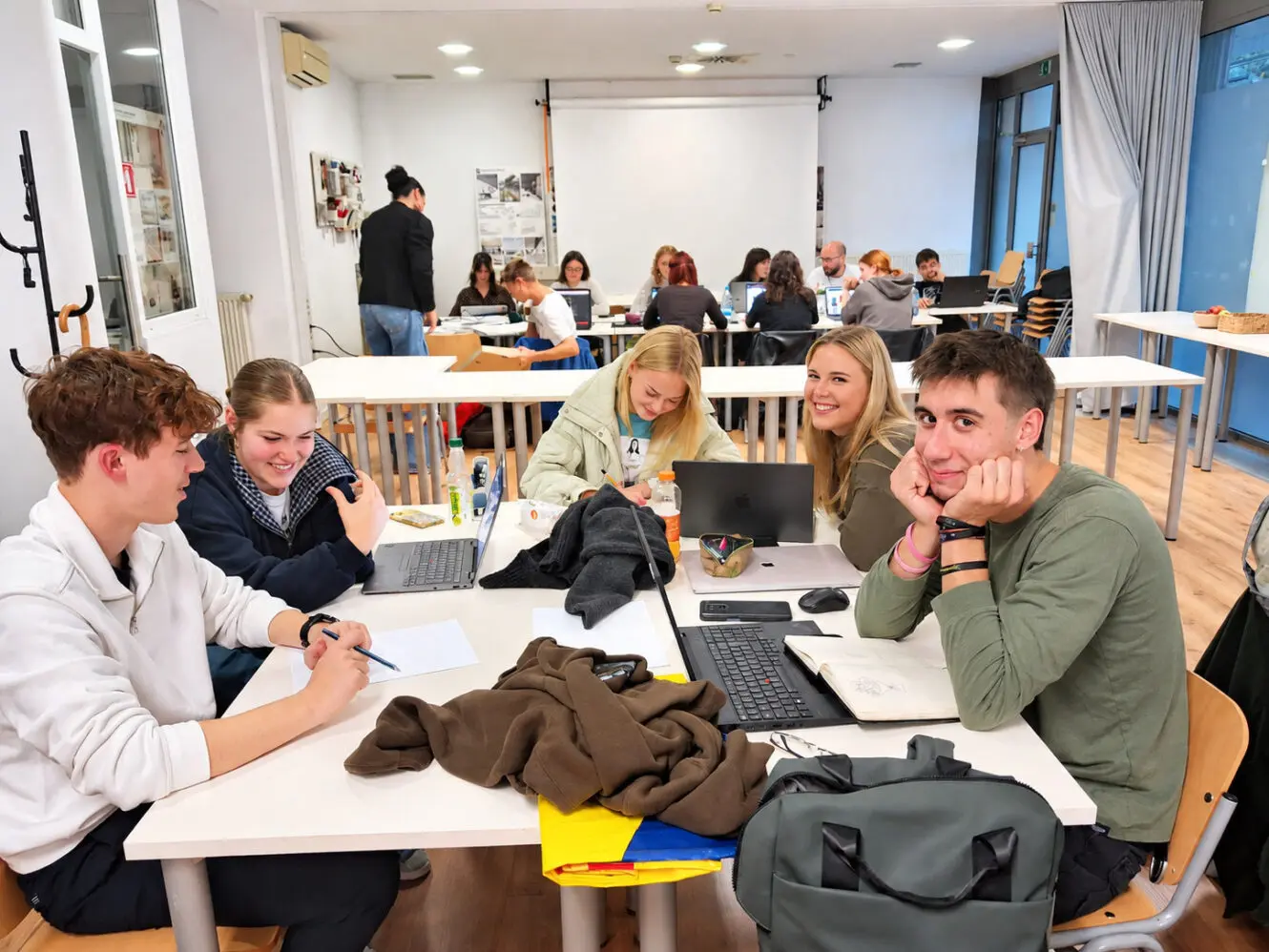
Students continued their intensive work on the OFFICE3000 project, this time under the mentorship of Asst. Prof. Tamara Hajdu, Teaching Assistant Brina A. Lukić and Senior Lecturer Petra Kocjančič.
After several days of research, analysing user needs, exploring ideas and developing concepts, it was time for another important step: testing solutions and gradually transforming them into more tangible design proposals.
The OFFICE3000 project challenged students to design innovative modular furniture using two mandatory materials: wood and stone.
How can two materials with such different properties be combined? How can functionality, adaptability and aesthetic value work together? And most importantly, how can a promising idea become a solution that could actually be produced and used?
These were some of the questions students encountered throughout their creative process.
Working in the laboratory also offered an opportunity to engage directly with prototyping technologies and techniques, an especially valuable experience when developing new products. After all, something that looks straightforward on paper can quickly become more complicated once construction, assembly and practical implementation enter the picture.
And quite often, those challenges lead to the most interesting solutions.
With the final presentations just around the corner, there was also that familiar sense of creative anticipation as individual ideas gradually came together.
Following in the Footsteps of Jože Plečnik – Ljubljana Through the Eyes of Our International Guests
While our students were developing their projects, part of the day was dedicated to exploring the architectural heritage of Ljubljana.
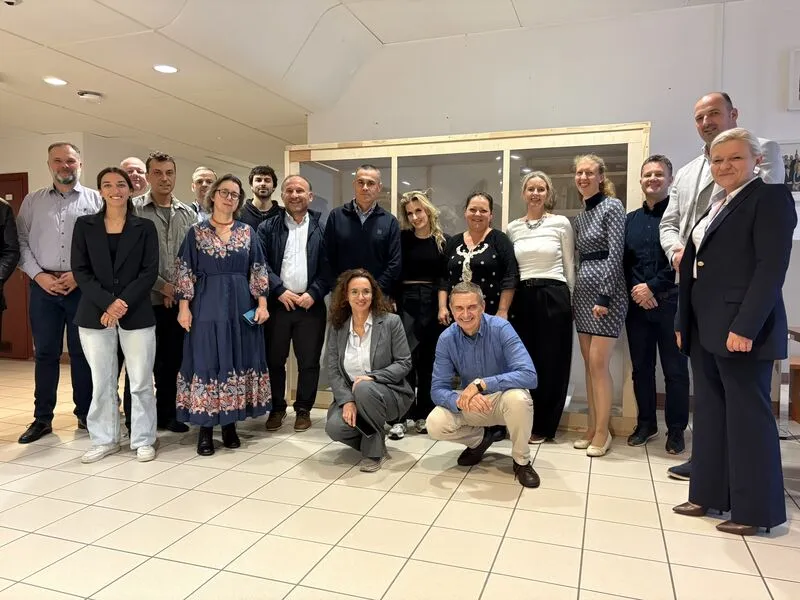
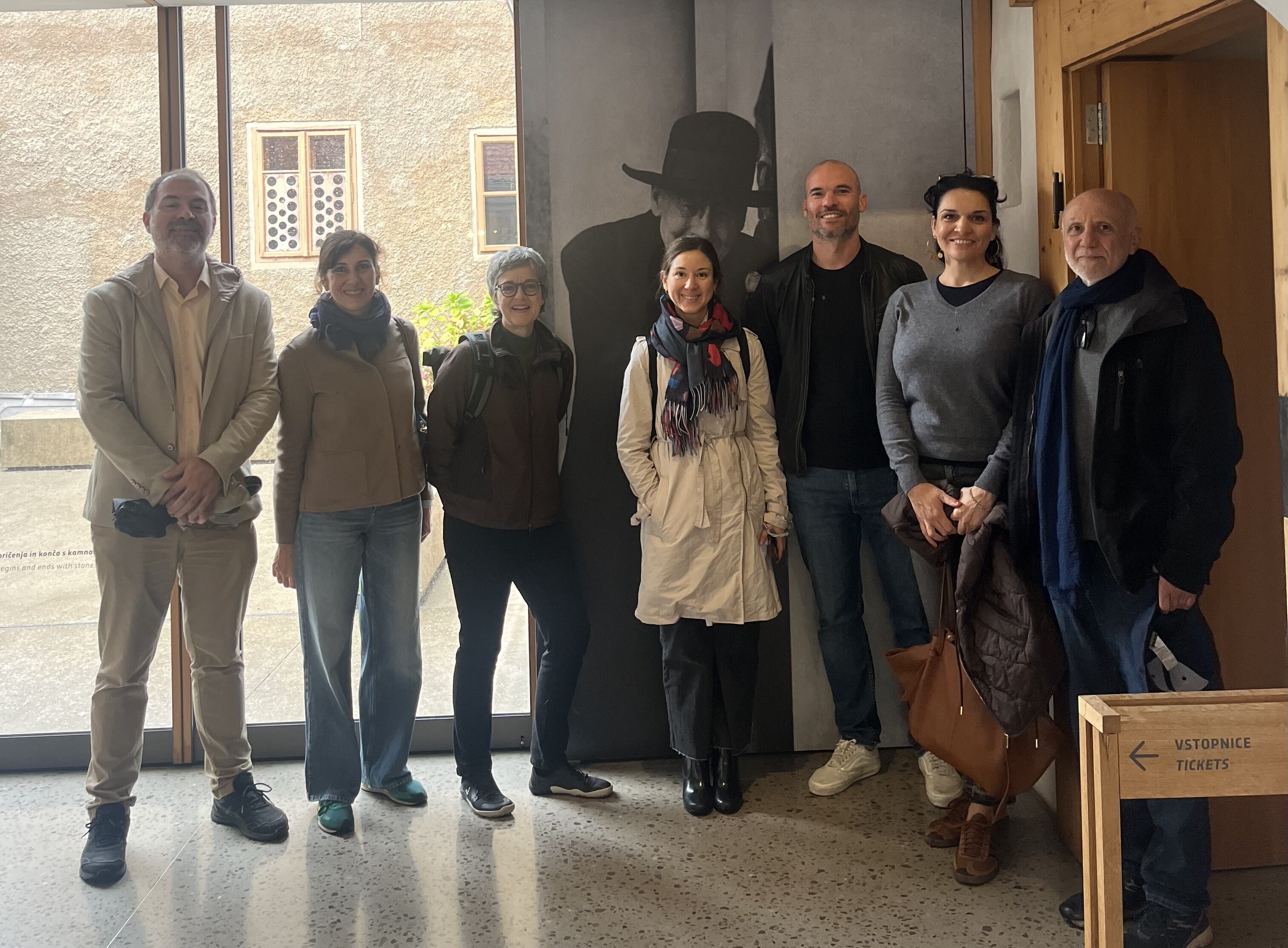
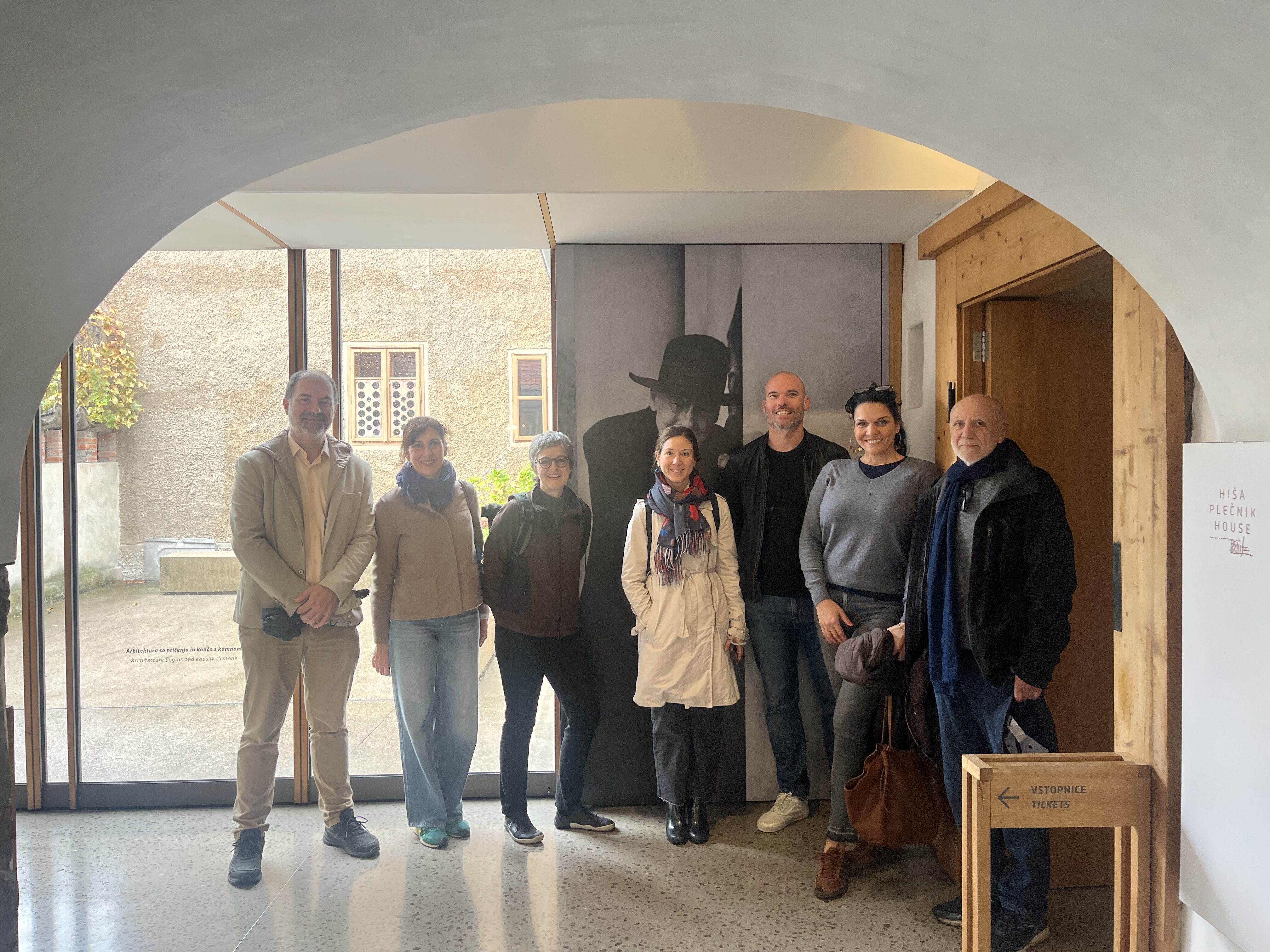
We organised a guided tour of Plečnik’s Ljubljana and a visit to Plečnik House for our international guest professors, giving them an opportunity to discover the life, work and architectural legacy of one of Slovenia’s most influential architects.
Jože Plečnik profoundly shaped Ljubljana’s urban identity, and his work continues to raise fascinating questions about the relationship between people, cities, public spaces and the culture of living.
This made the visit particularly relevant to this year’s central Urban October theme: Adequate Housing for All.
Exploring a city’s history and architectural solutions is an important part of understanding the built environment, especially when viewed through different cultural and professional perspectives.
And although the weather didn’t exactly provide us with a picture-perfect autumn day in Ljubljana, we were delighted to share at least a little of our city’s rich architectural story with our guests.
The Role of Housing in Rural Depopulation – How Does Housing Influence the Future of Rural Communities?
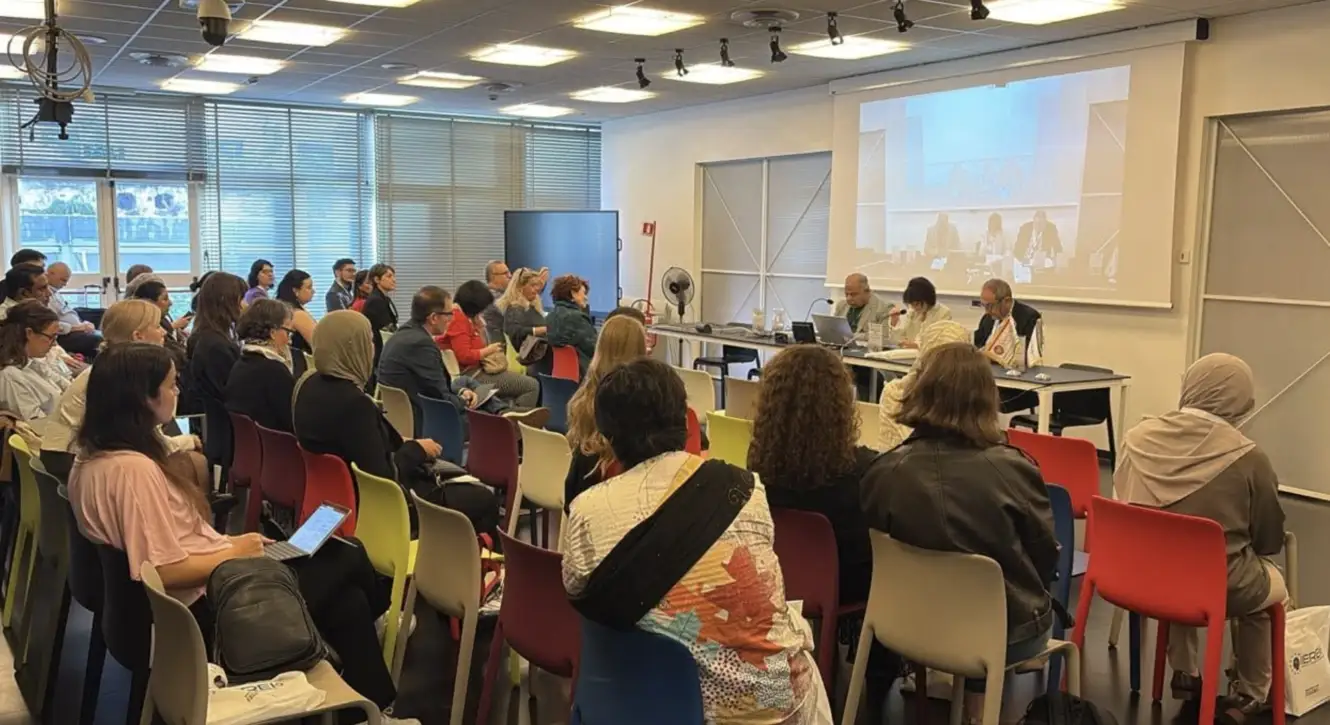
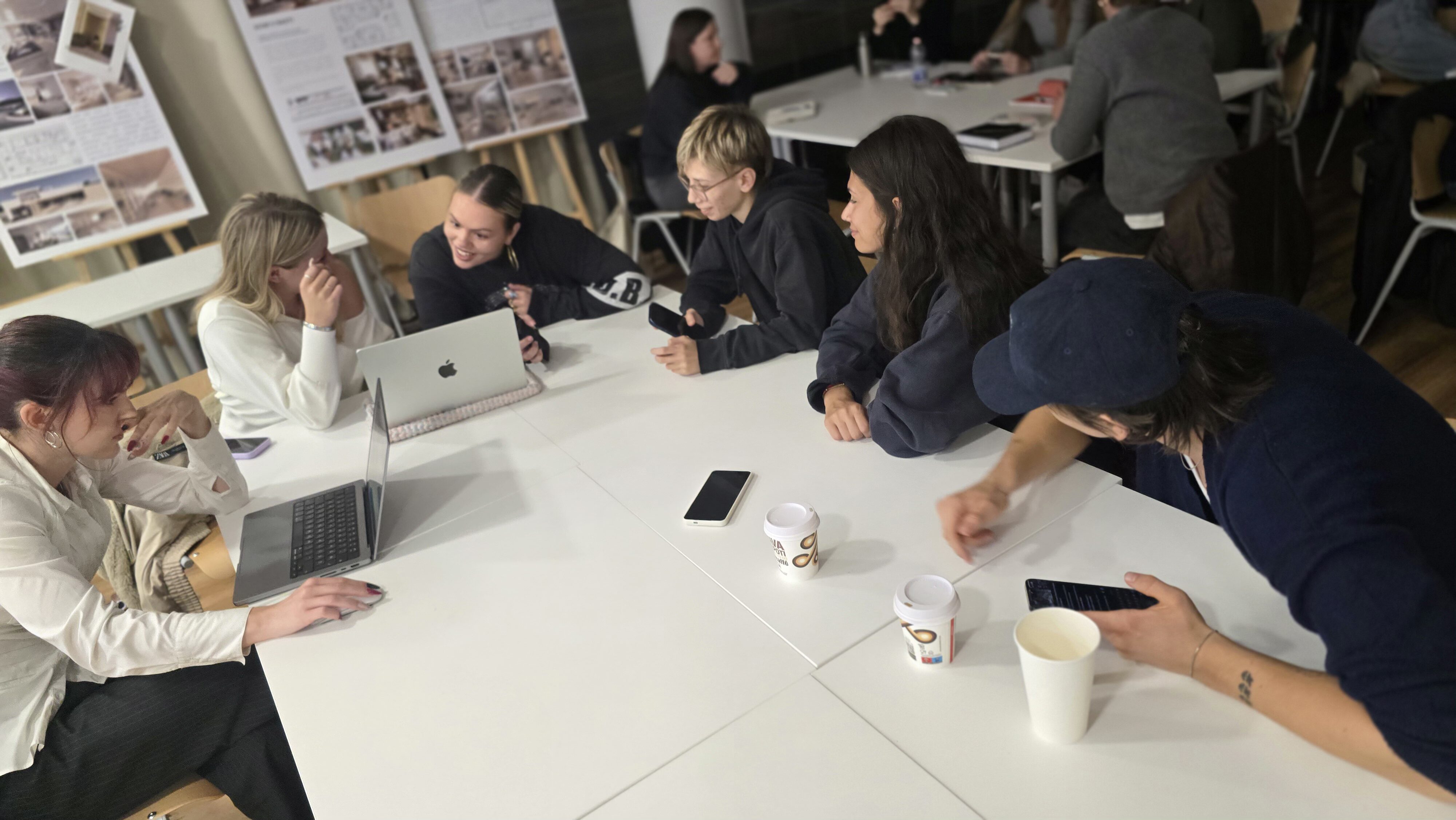
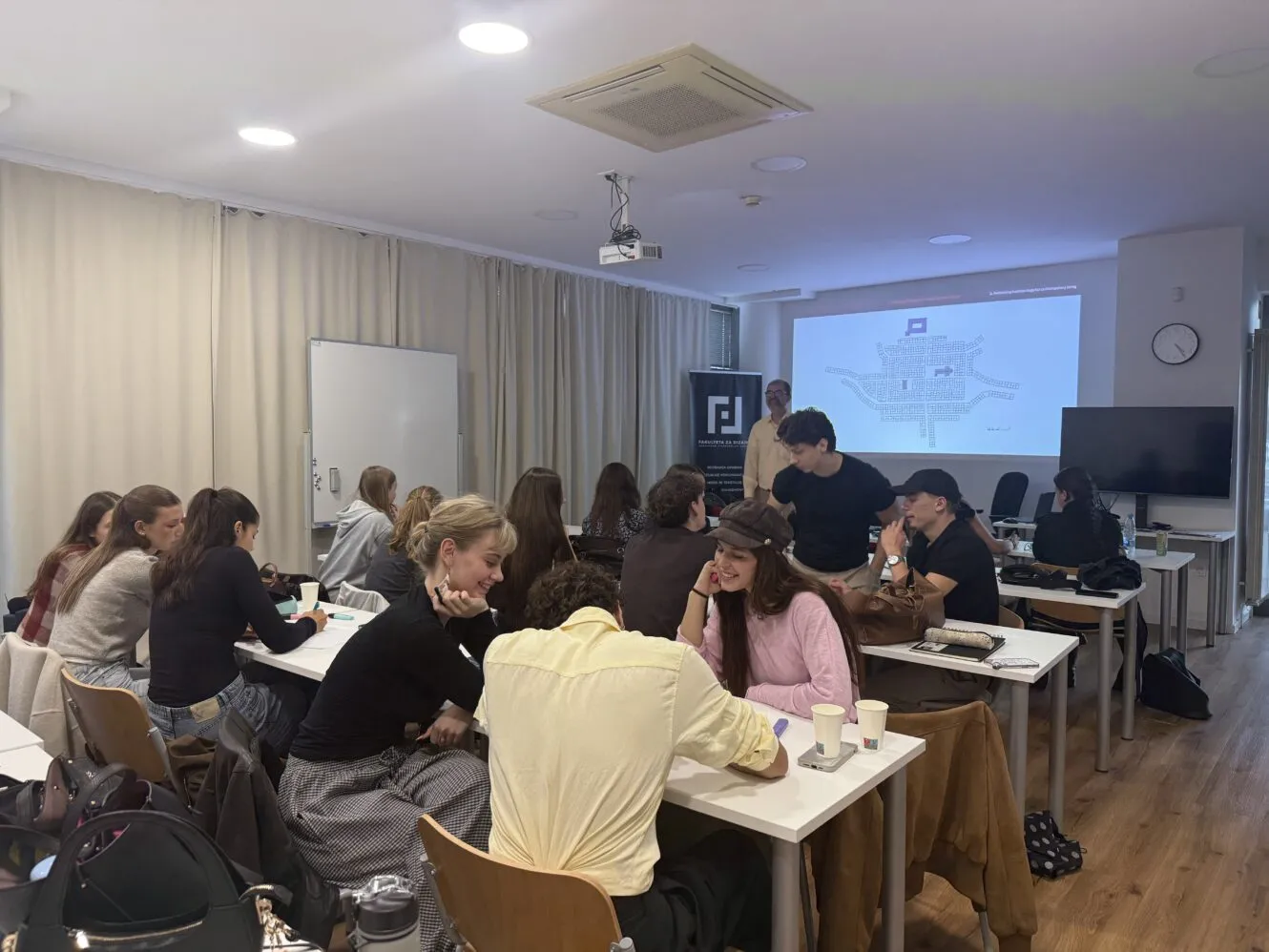
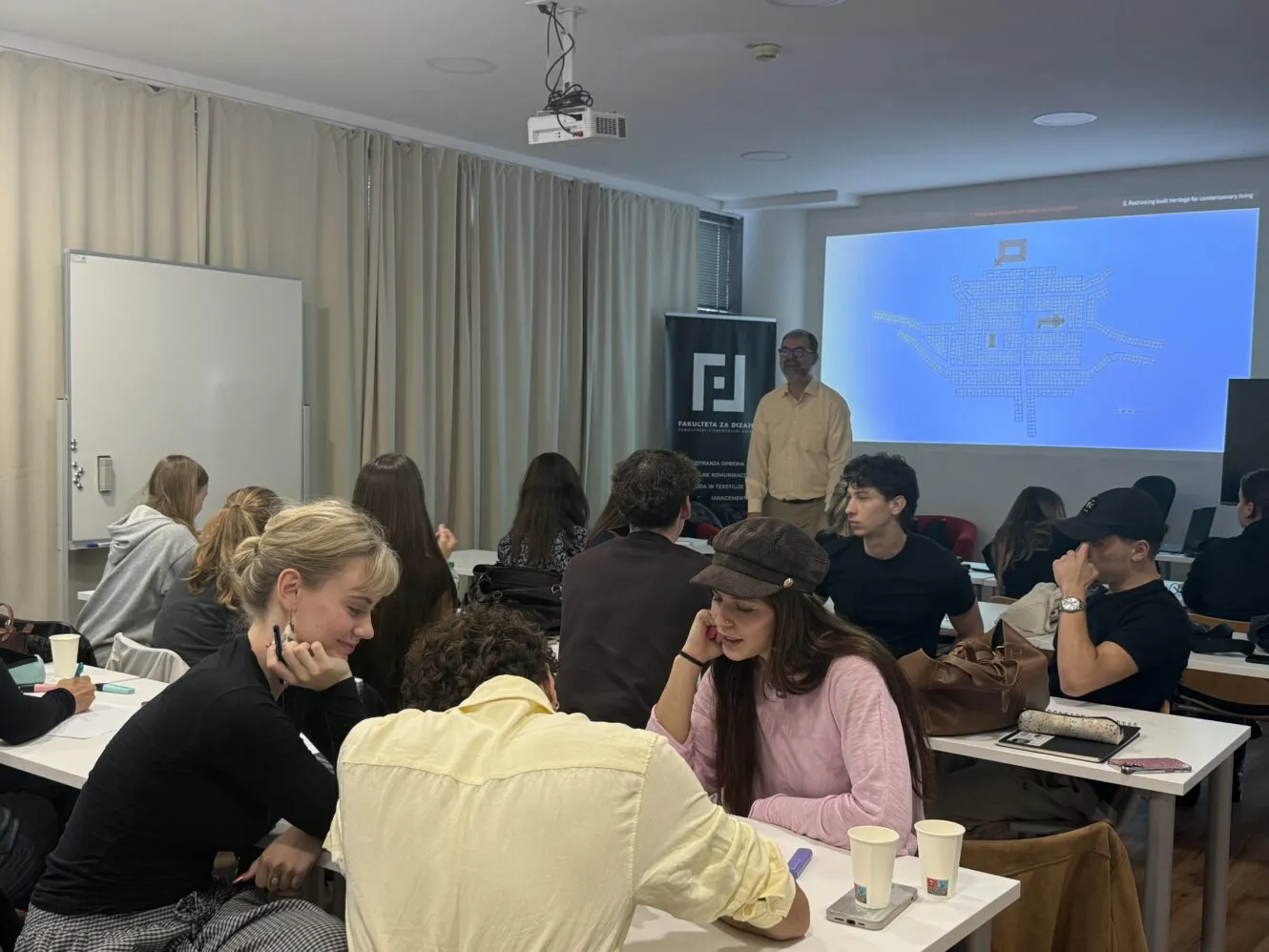
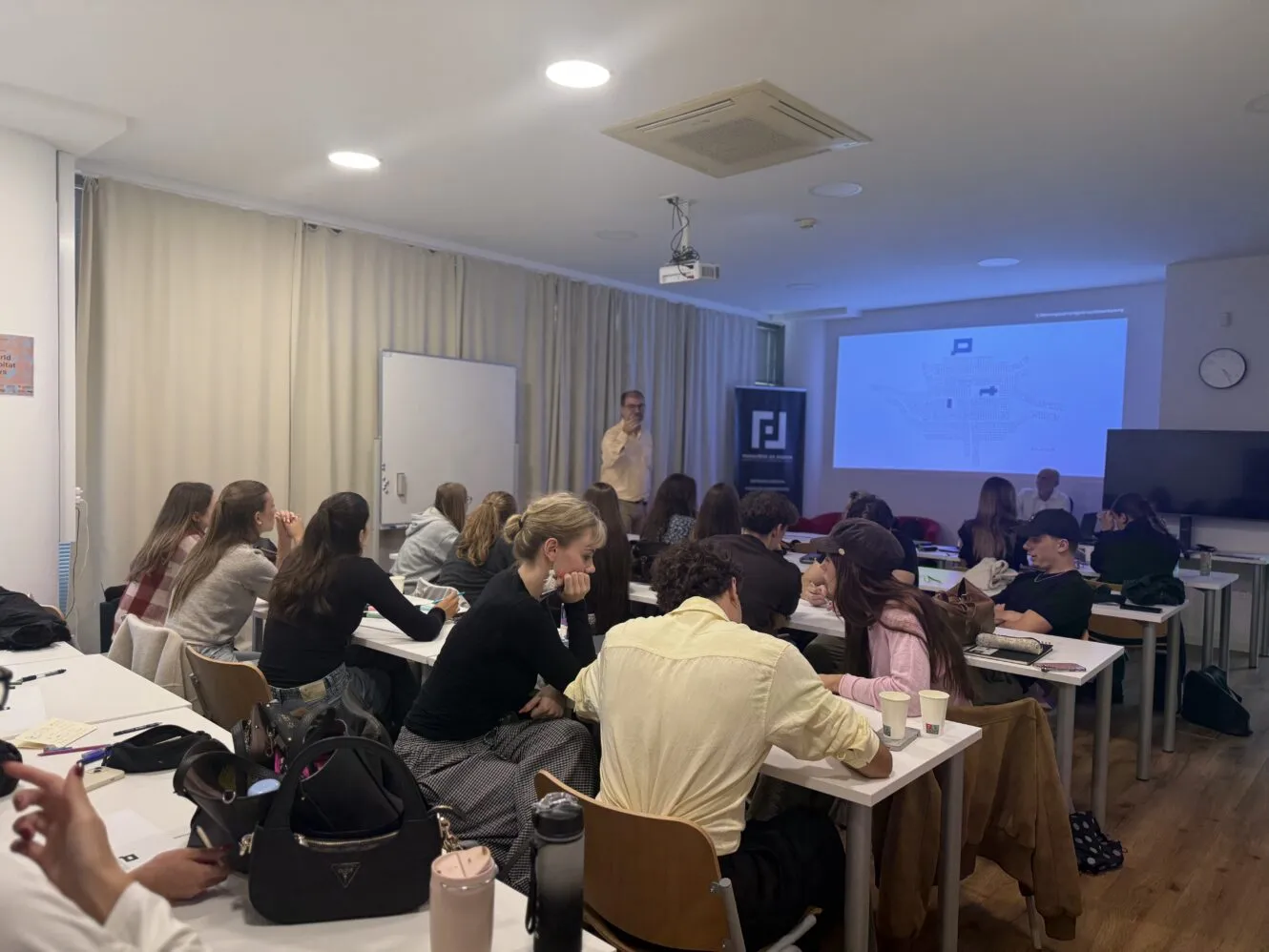
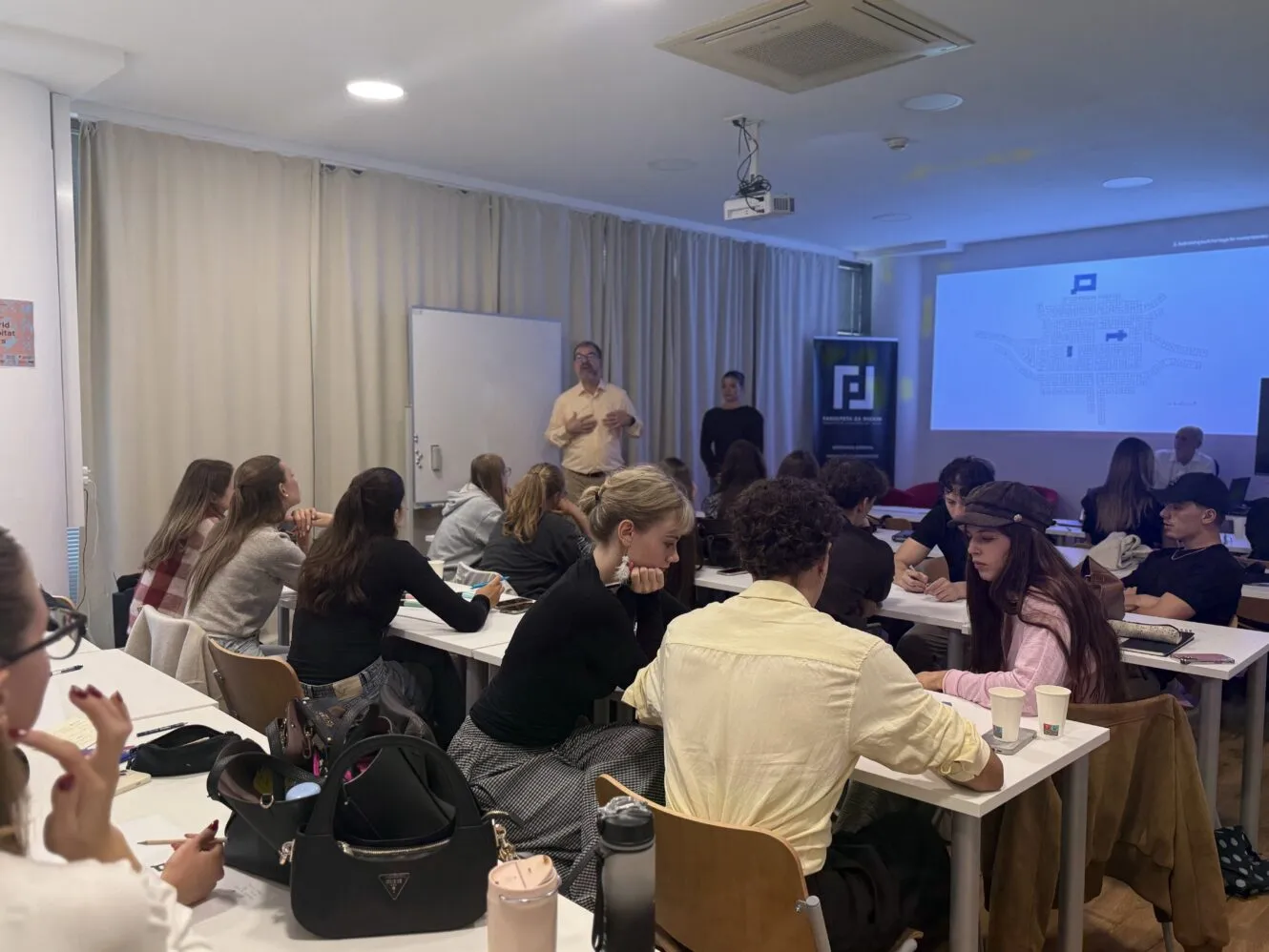
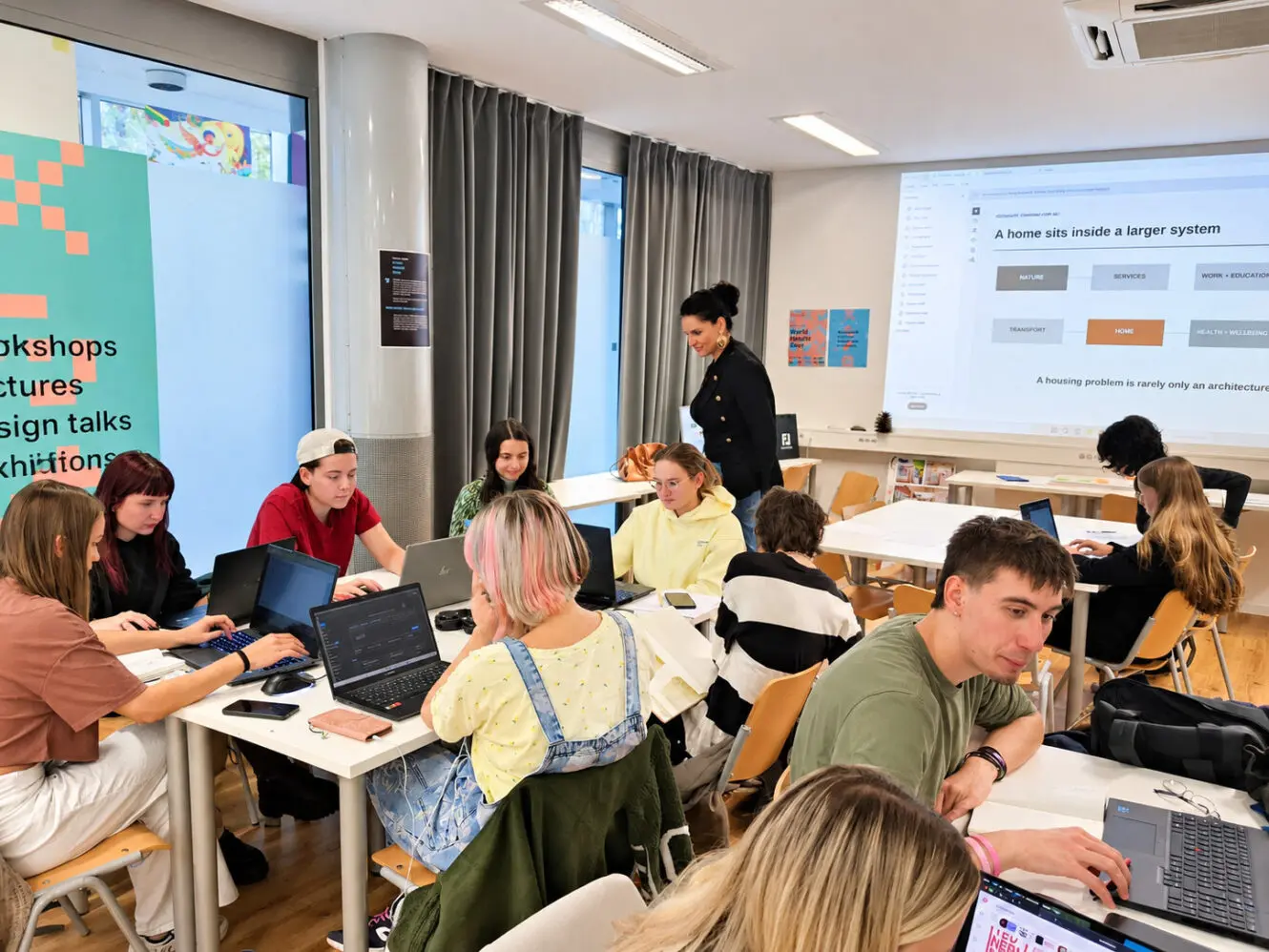
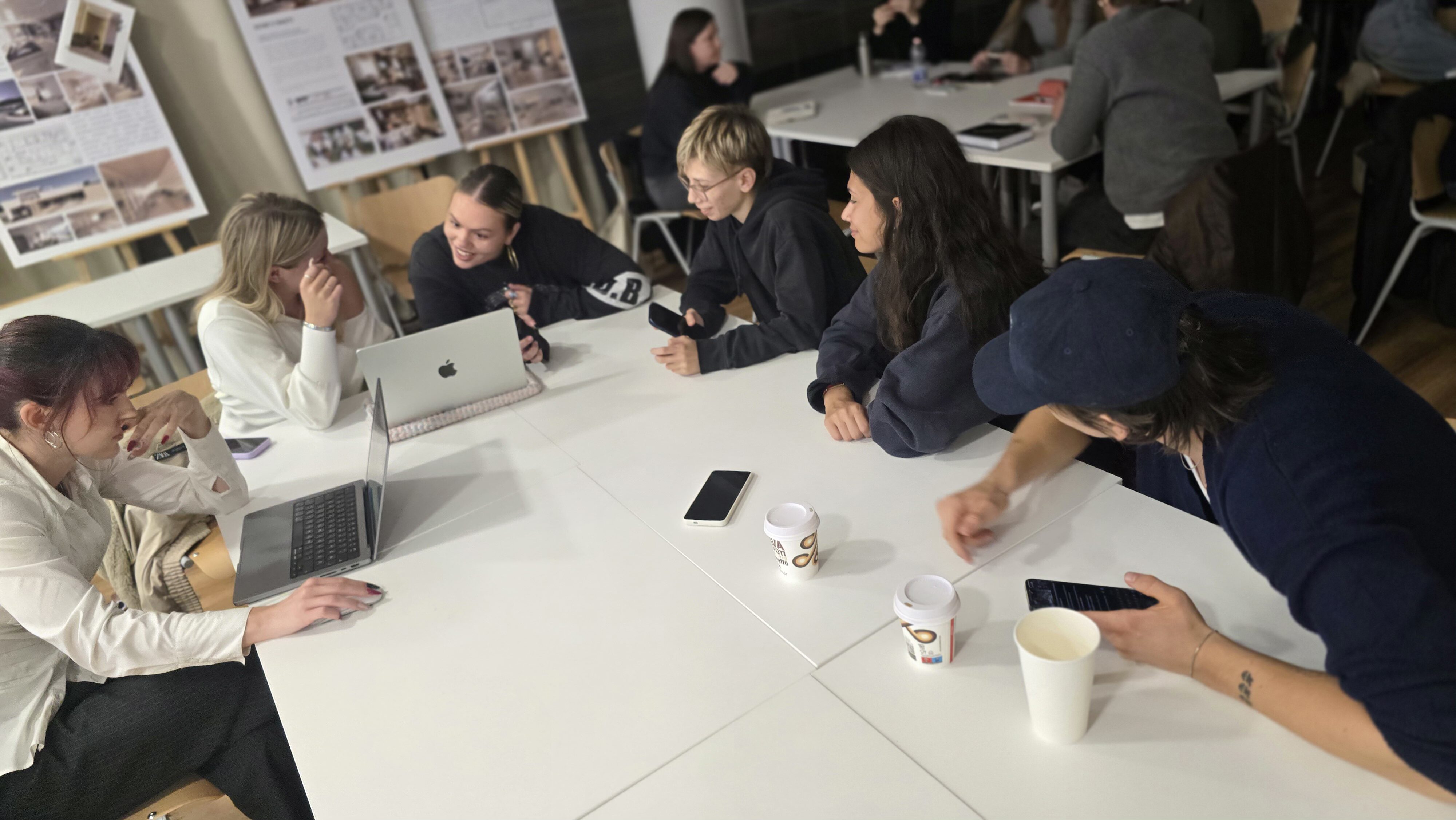
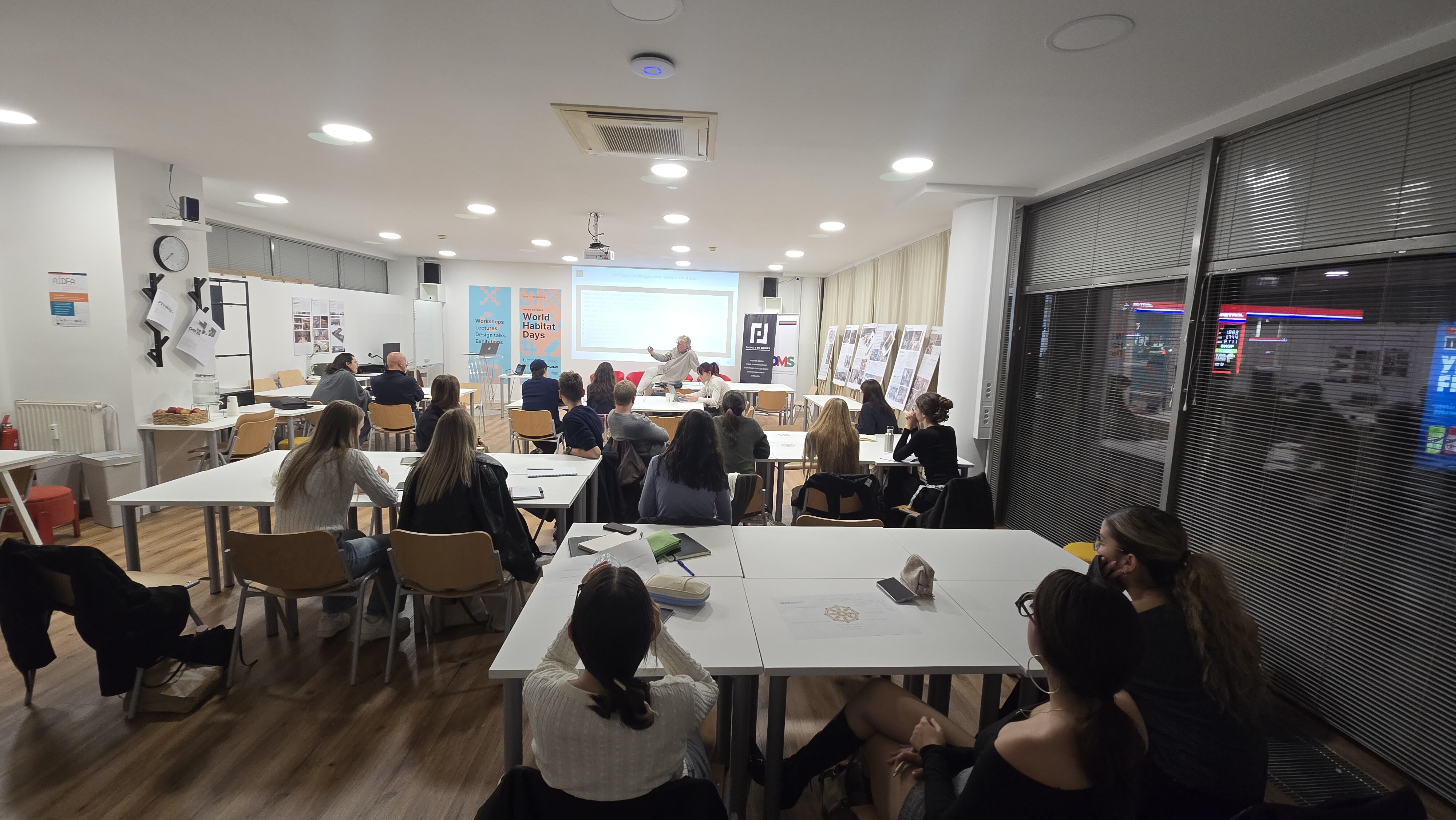
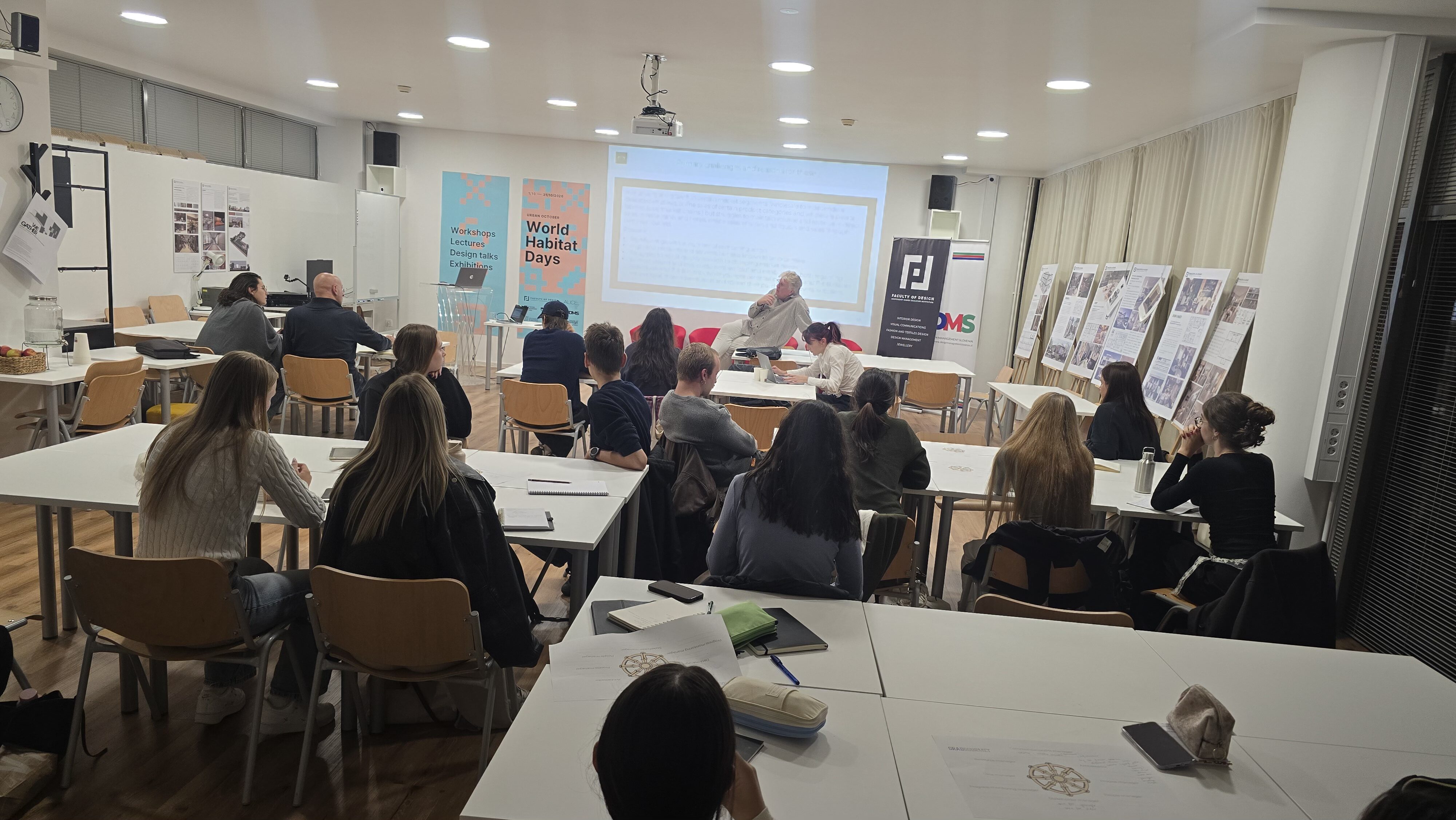
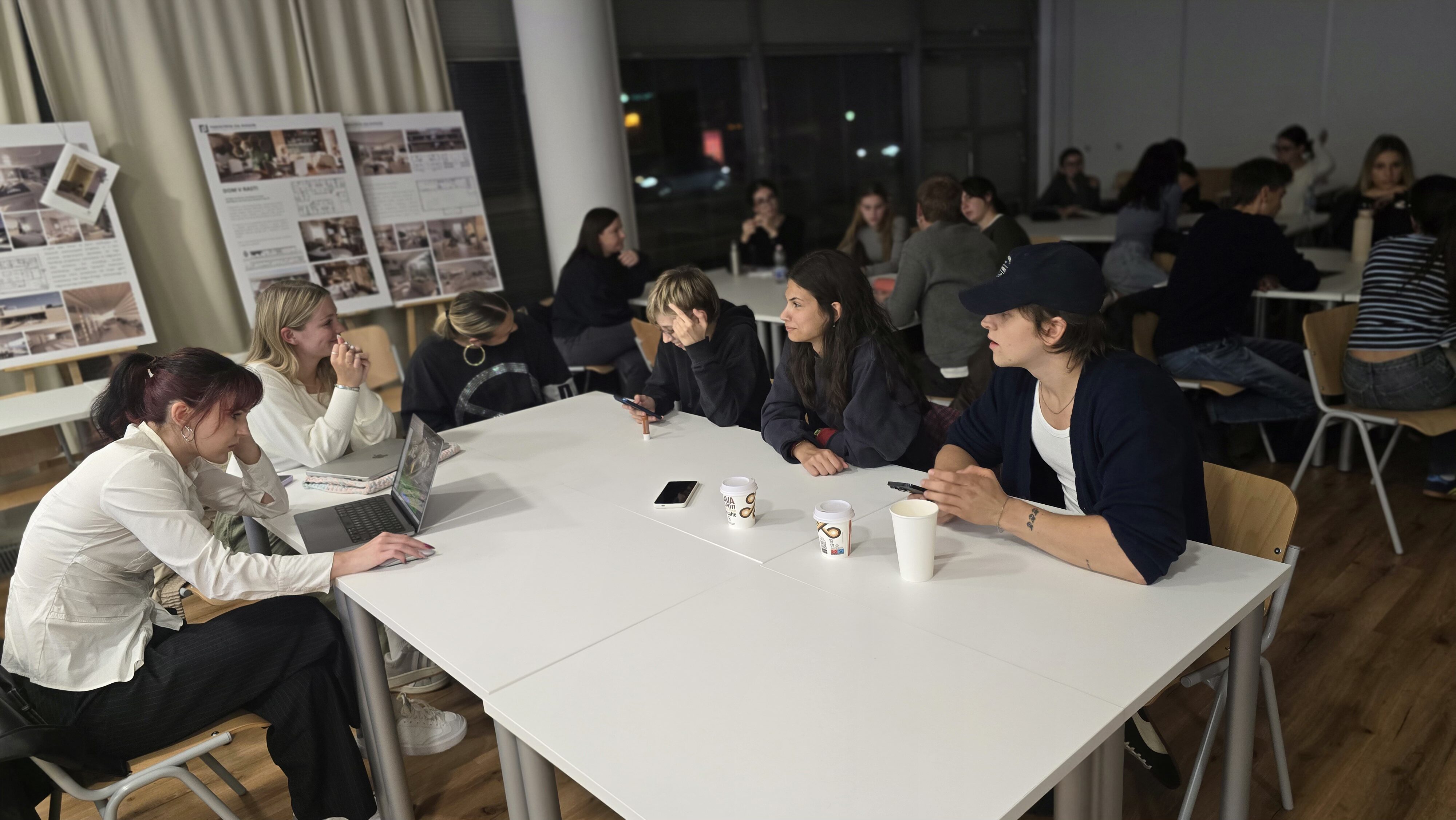
The afternoon programme continued at the Faculty of Design, where we welcomed two experts from Universitat Politècnica de València (UPV), Spain, in our ground-floor Coworking Lab.
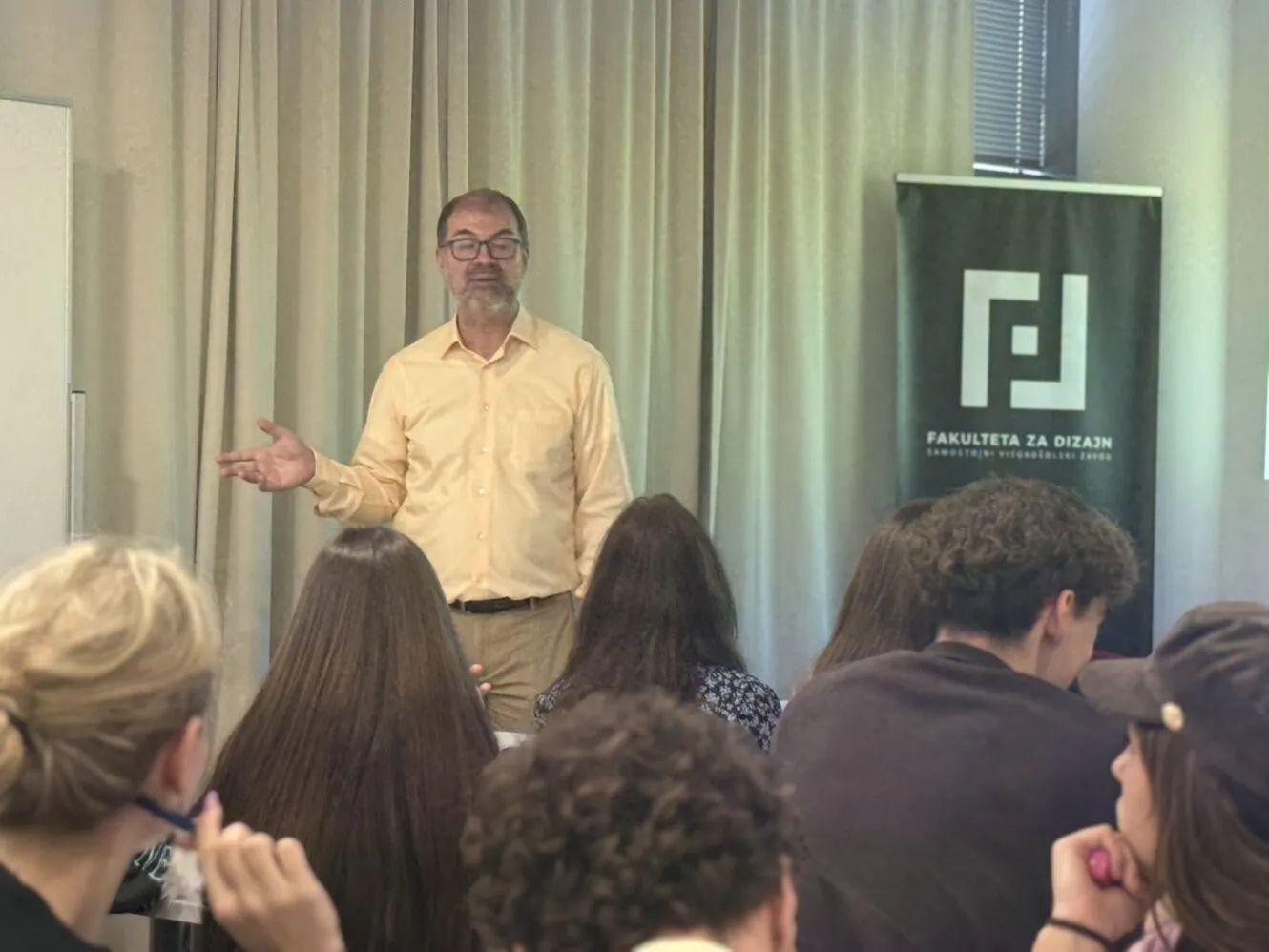
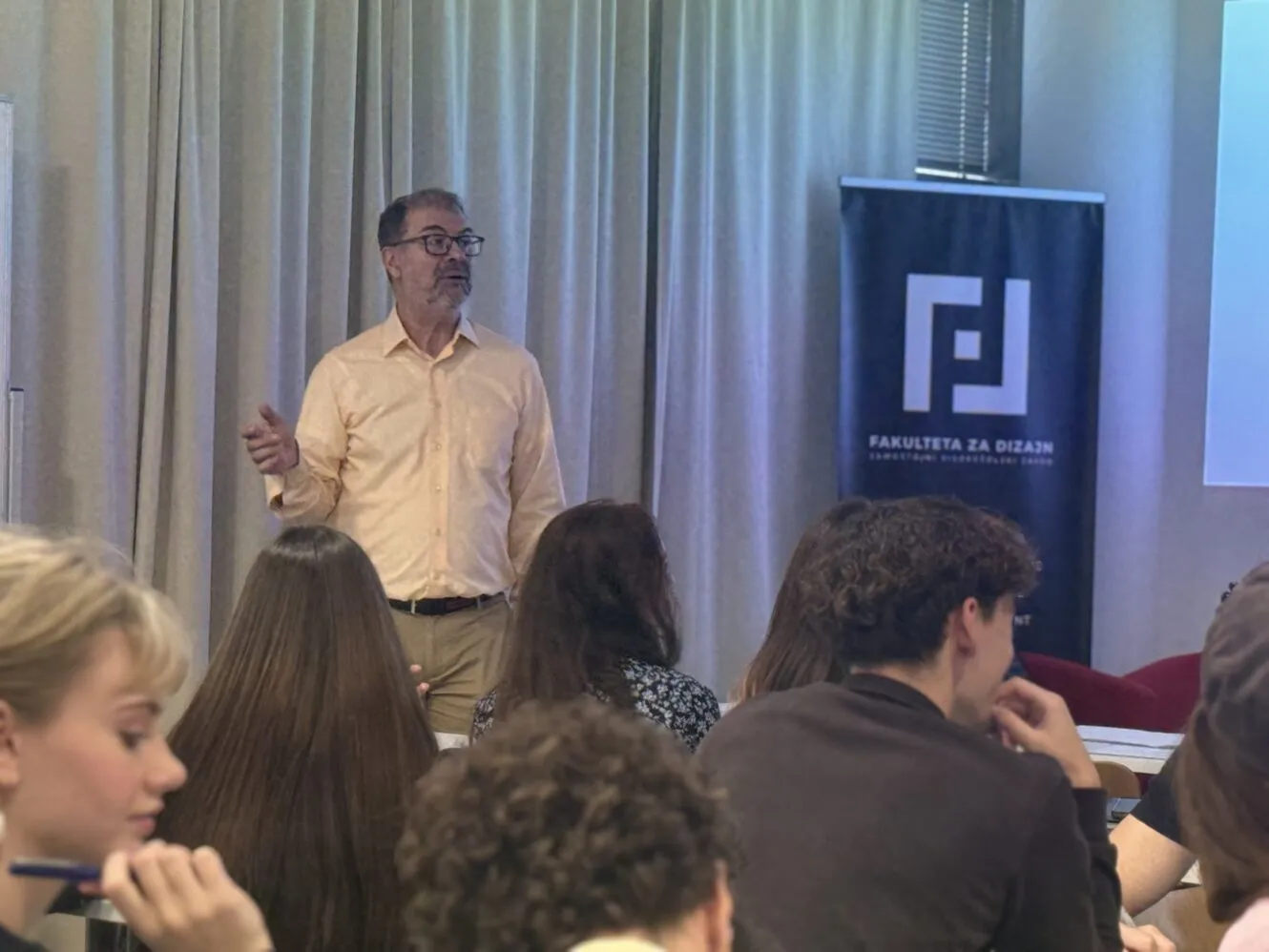
Ernesto Fenollosa, Dean of the Higher Technical School of Architecture, and Dr. Ivan Cabrera i Fausto, Professor at UPV’s Department of Continuum Mechanics and Theory of Structures, introduced the topic The Role of Housing in Rural Depopulation.
This subject extends far beyond architectural planning, touching on a range of wider social challenges.
Why are people leaving rural areas? How do housing availability and quality, infrastructure, and opportunities for work and everyday life influence their decisions? And how can architecture, urban planning and responsible design help create more attractive and liveable environments outside major cities?
These questions are particularly relevant at a time when many urban areas face increasing housing pressures, while rural communities struggle with population decline.
The session offered an important starting point for reflecting on the fact that adequate housing for all is not simply about providing homes. It is also about creating environments where people want to stay, build their lives and imagine their future.
Design in a Changing World – The Evolving Role of Design
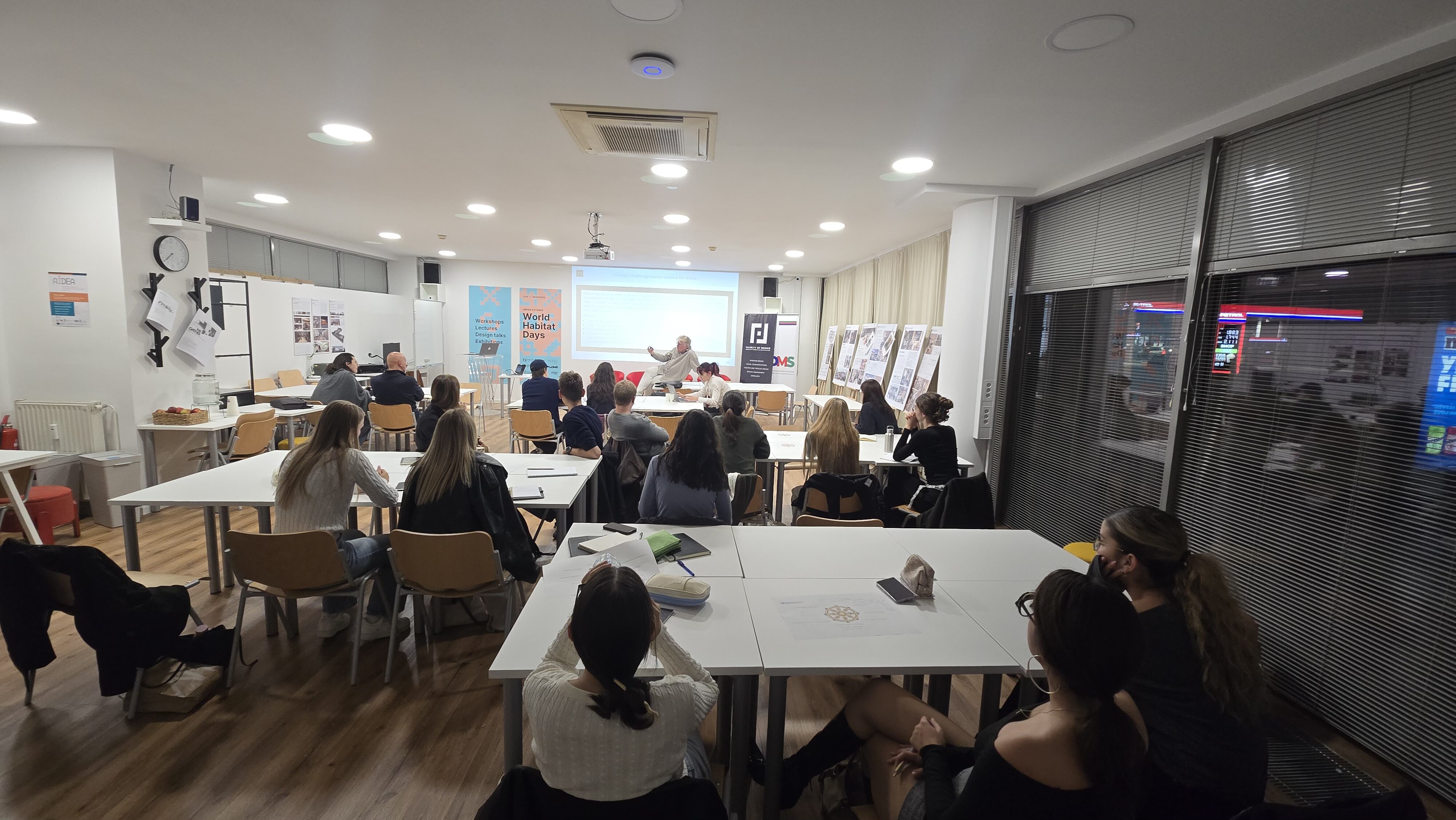
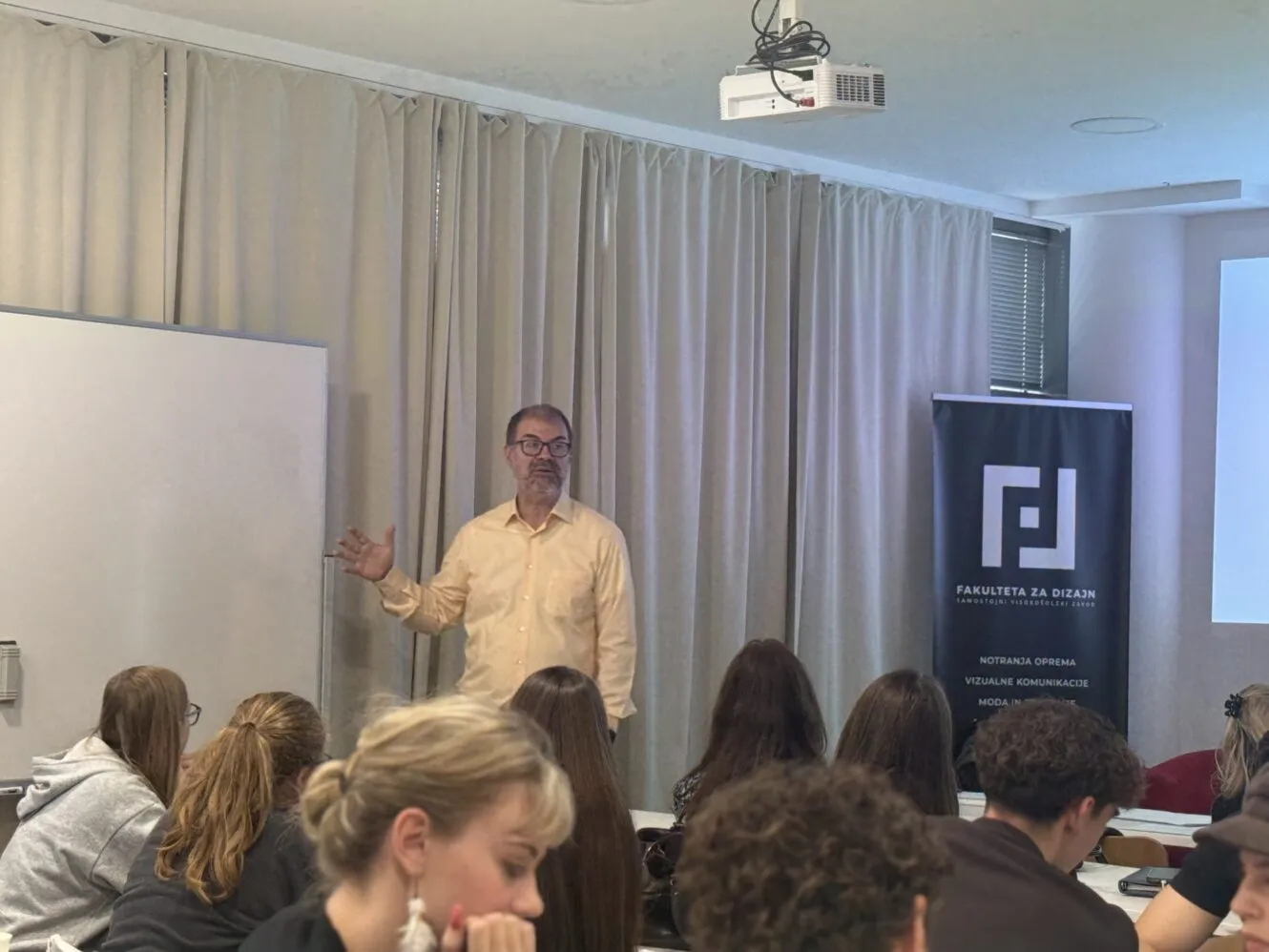
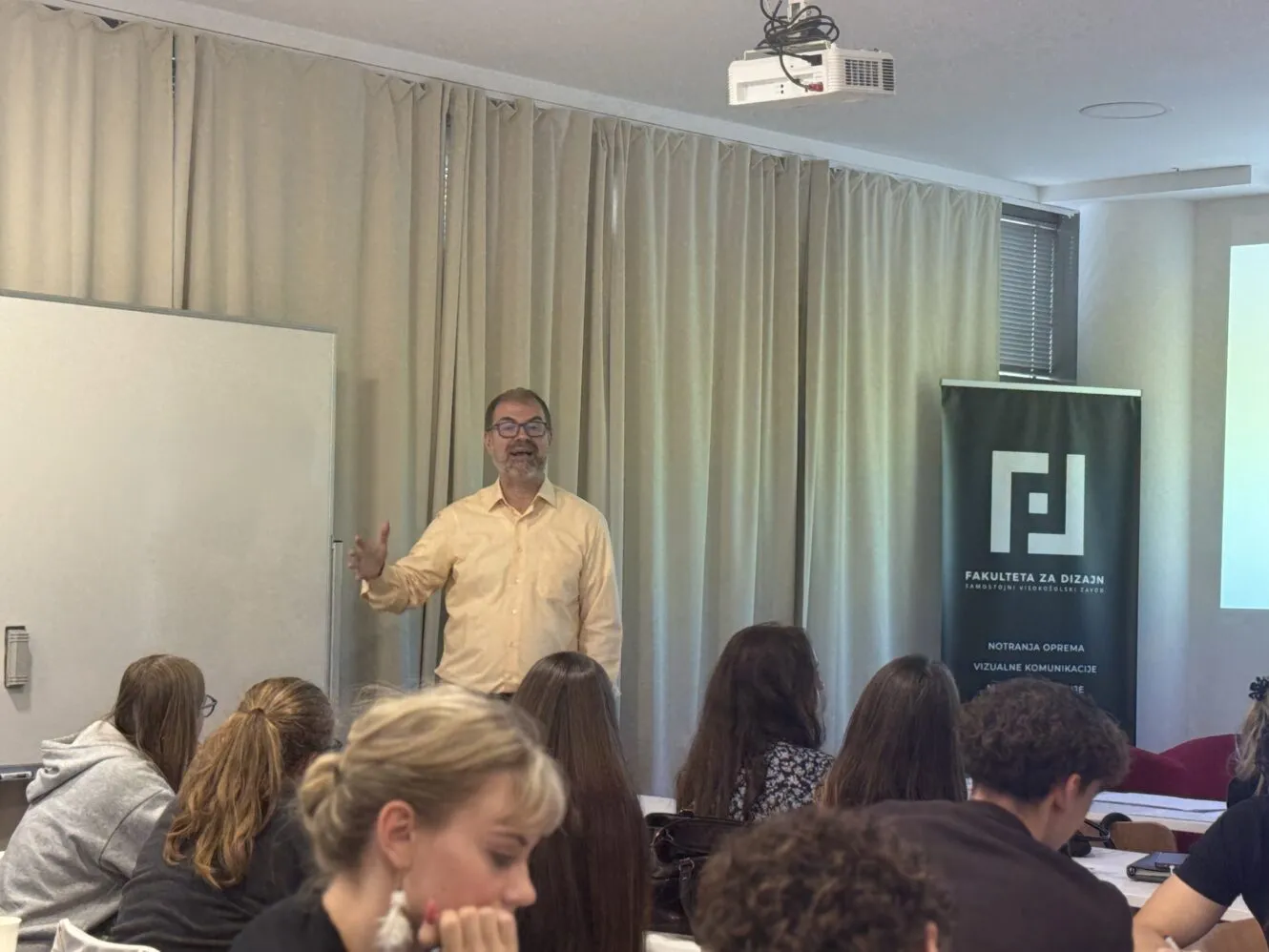
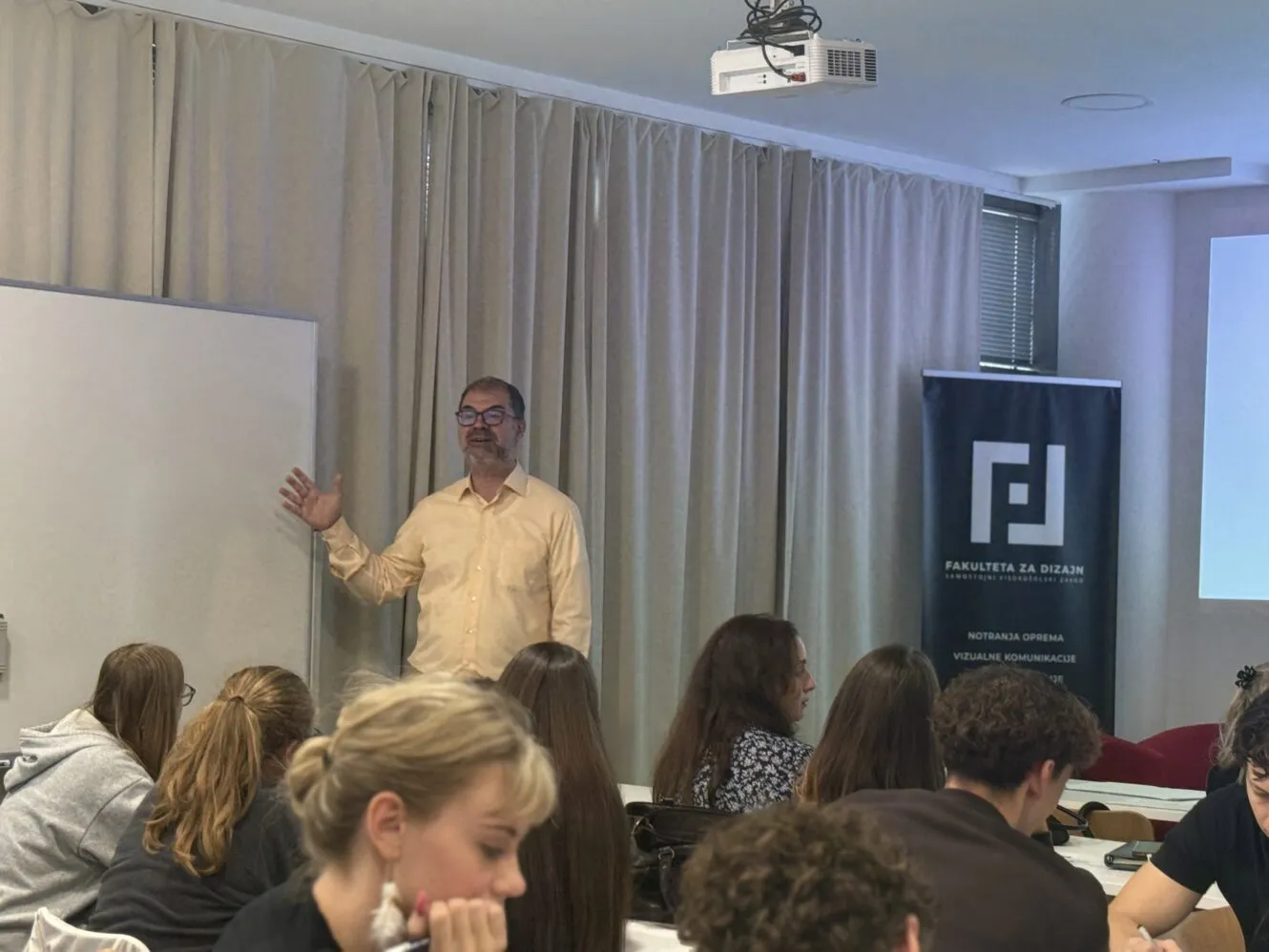
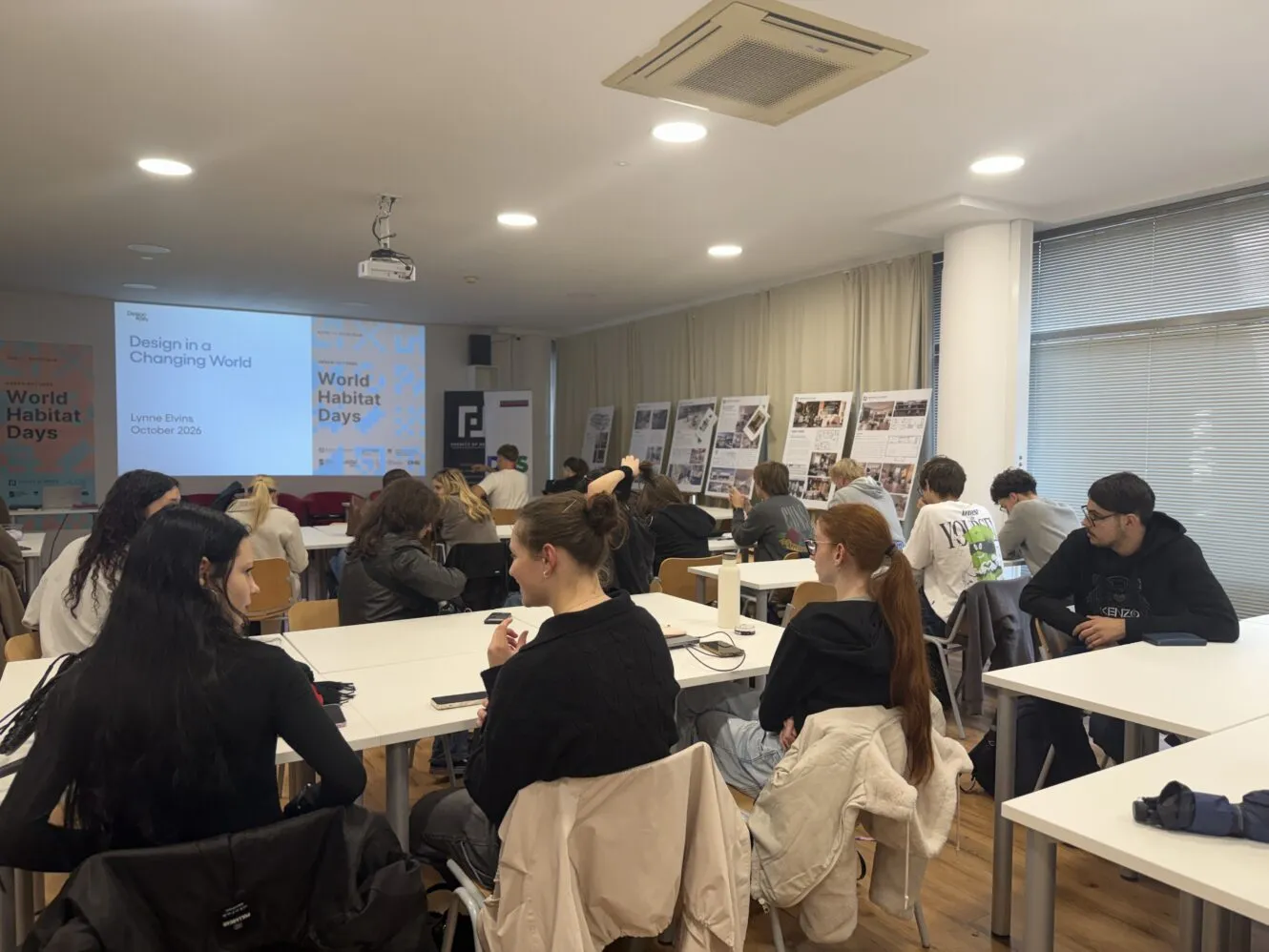
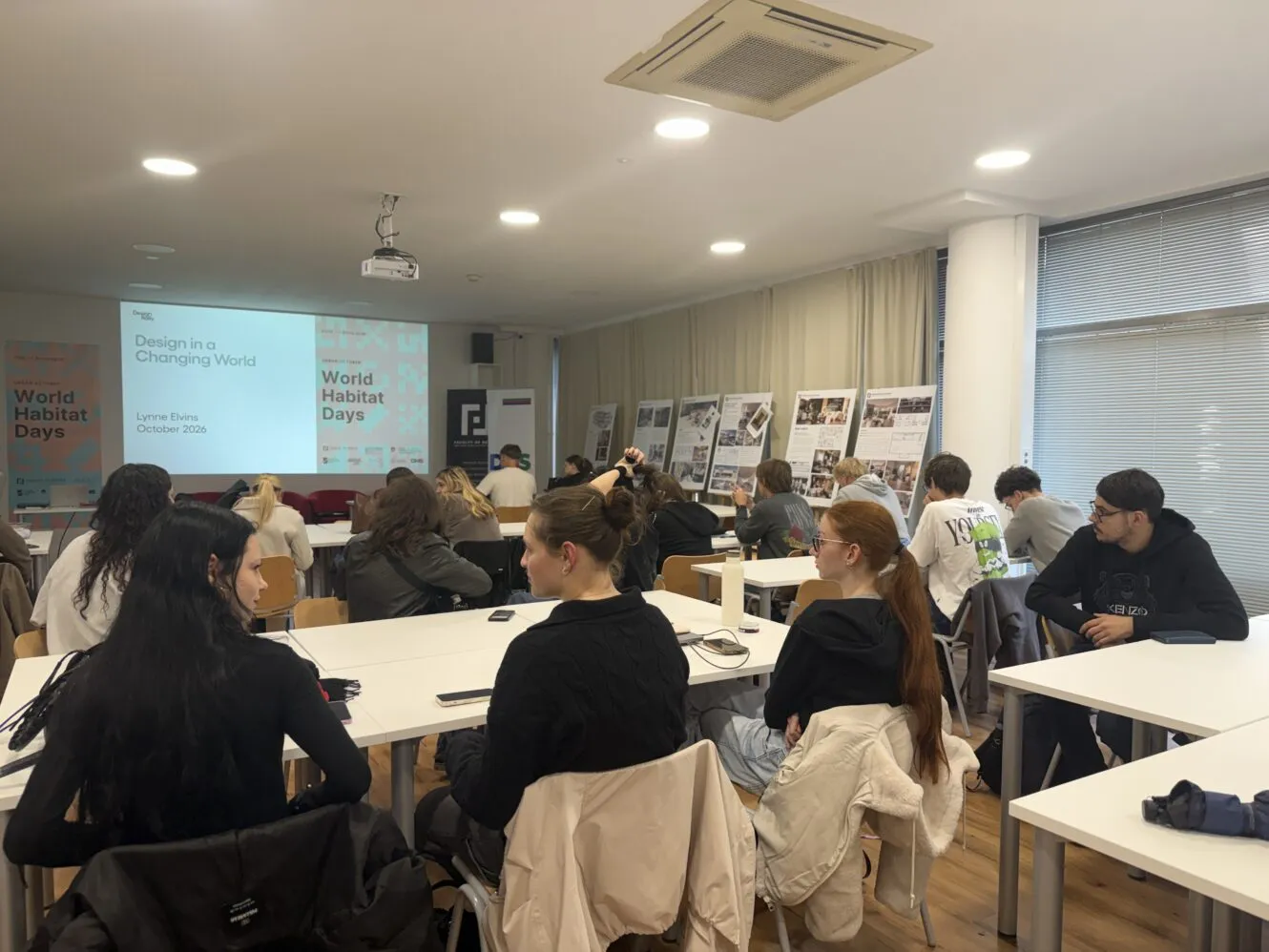
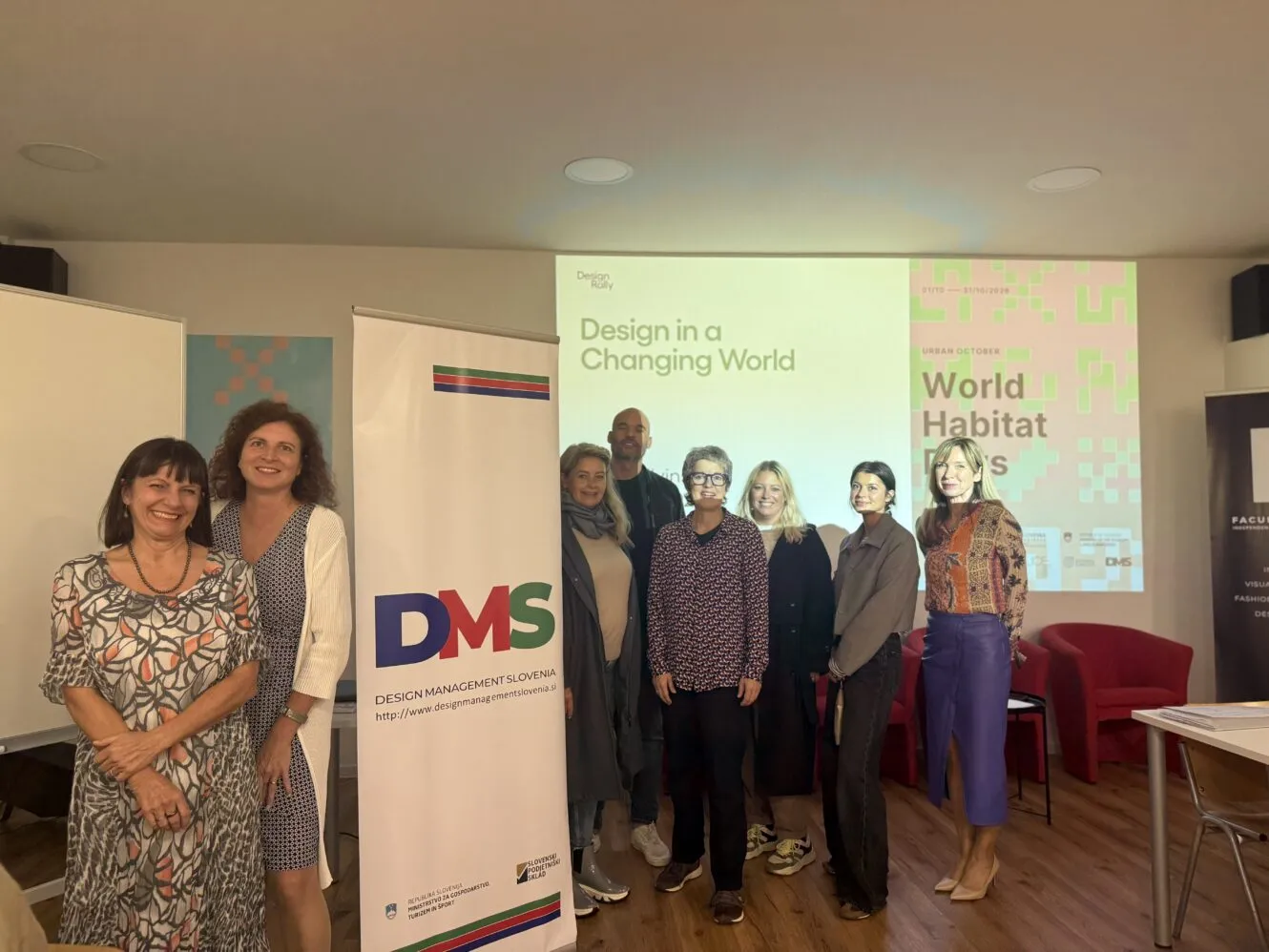
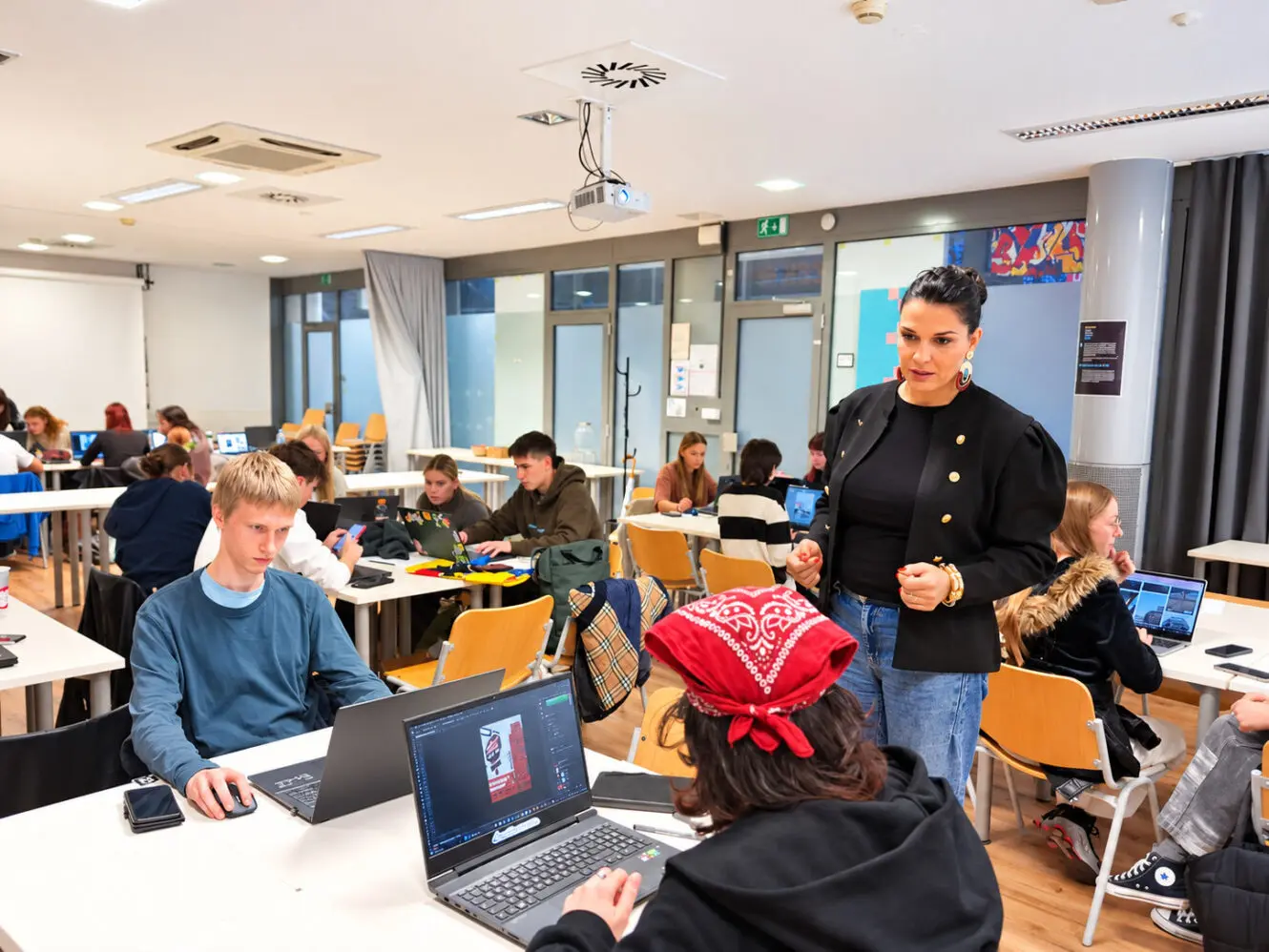
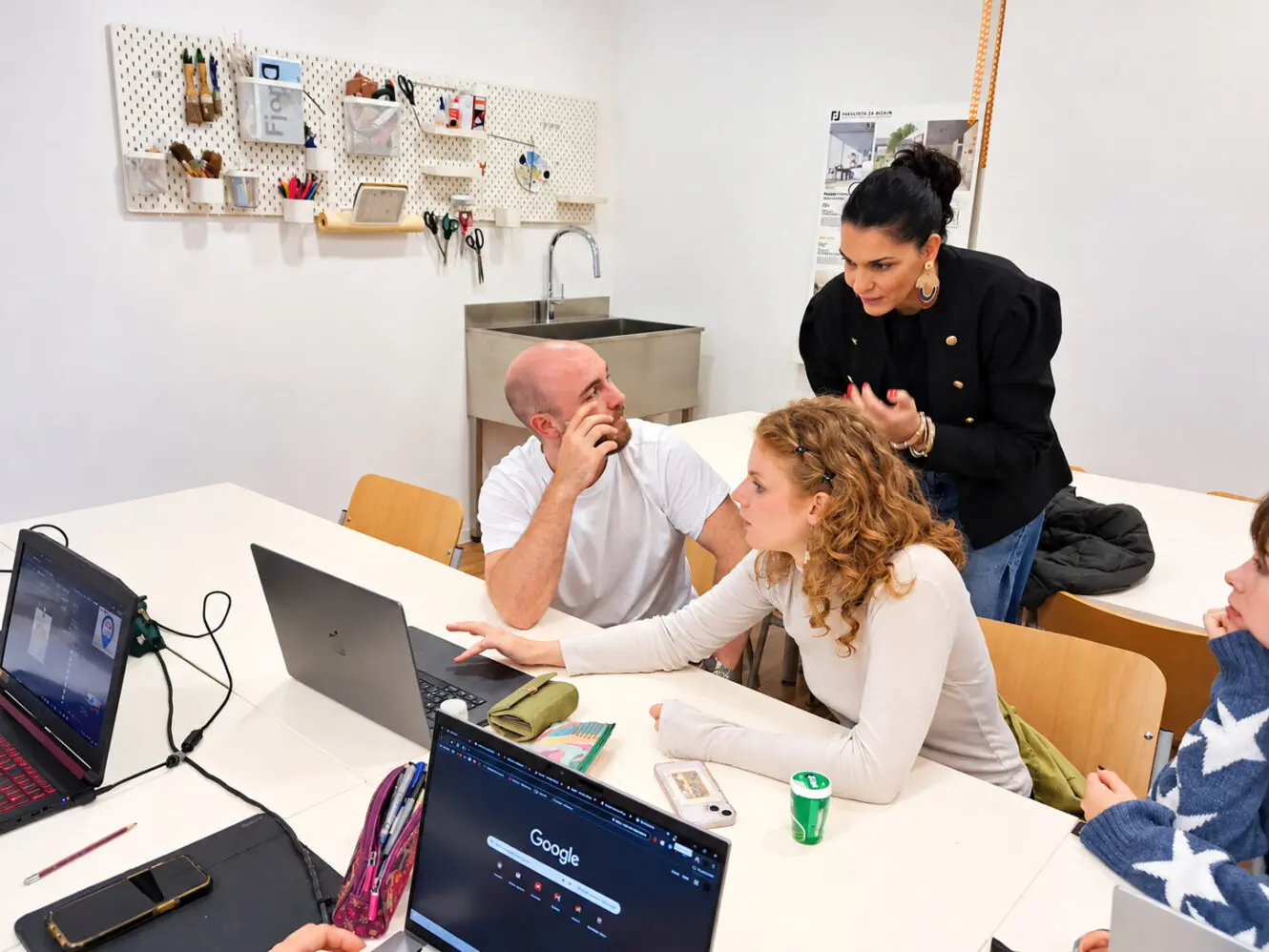
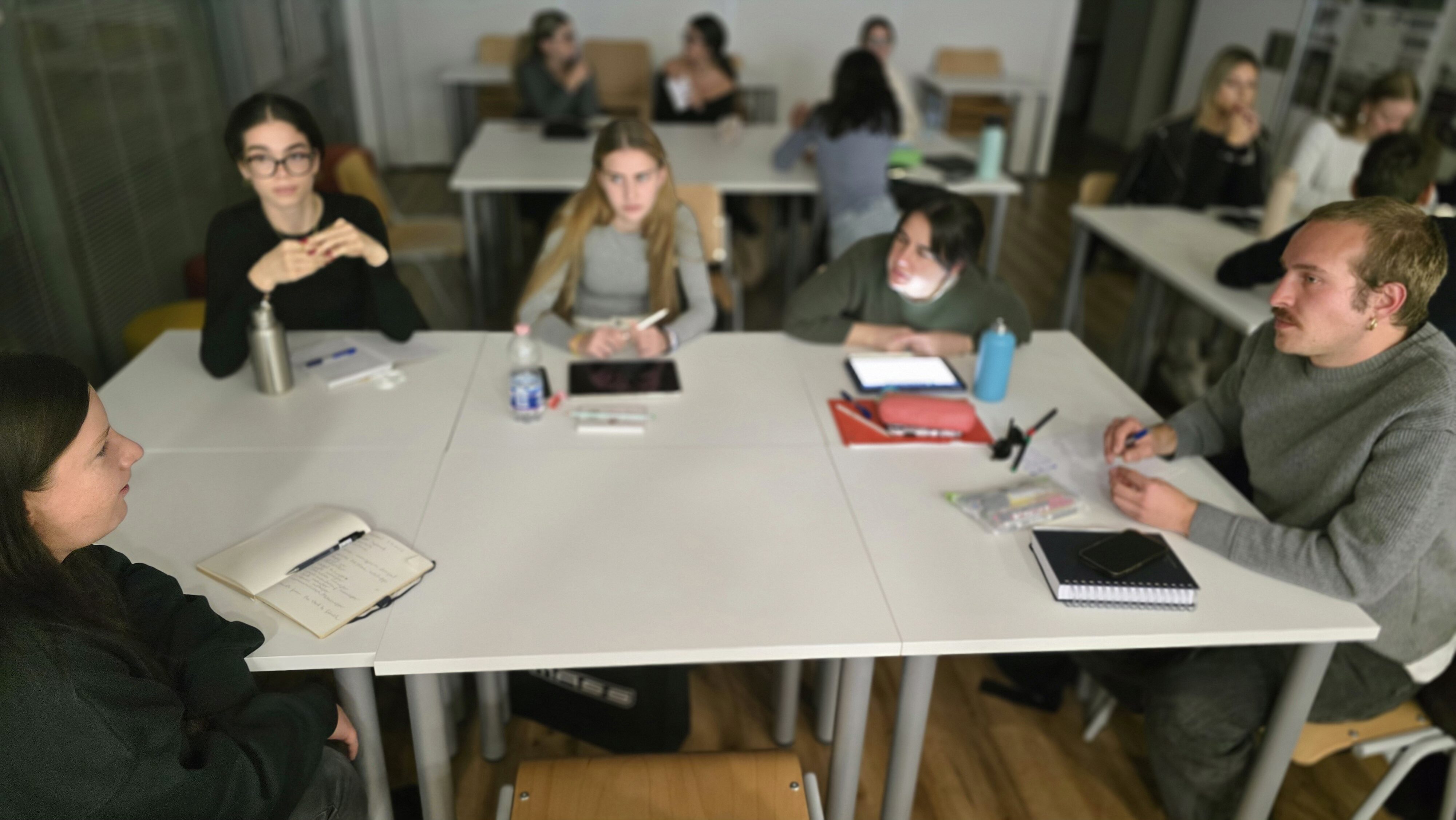
Meanwhile, the Design Thinking Lab hosted Design in a Changing World, led by Lynne Elvins from Design Rally, United Kingdom.
The world is changing, and so are the expectations placed on designers, their skills and their role in society.
Today, design goes far beyond aesthetics, product development or visual identities. It is increasingly connected to strategic thinking, innovation, understanding user needs and finding solutions to complex social and environmental challenges.
The session encouraged students to think more broadly about the evolution of the design profession, the skills becoming increasingly important and the ways designers can actively contribute to shaping change.
This is also one of the key messages of our Urban October programme: design is not something that happens only at the end of a process. It can play an essential role in shaping the process from the very beginning.
Graphic Design for a Sustainable and Inclusive Future
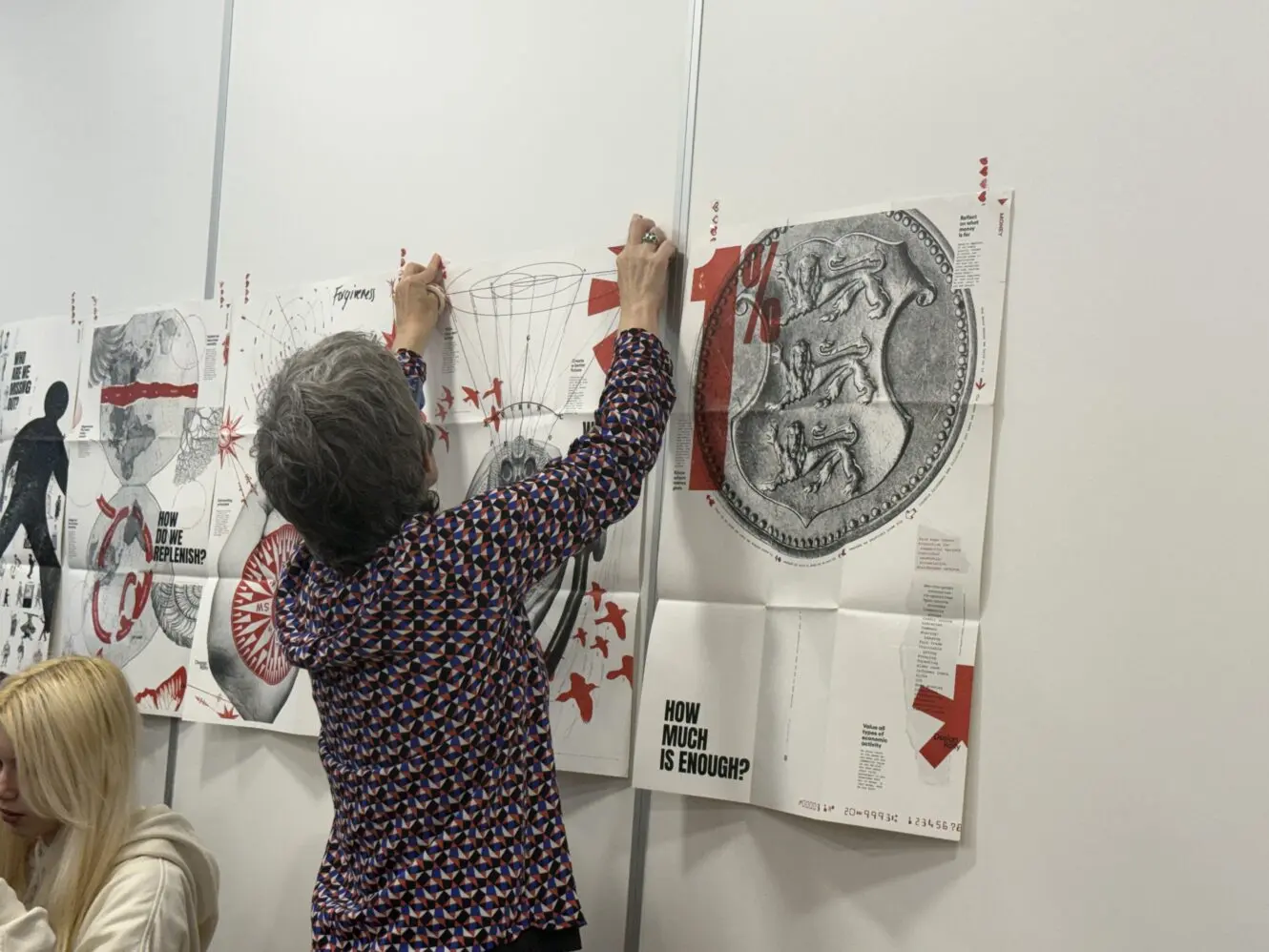
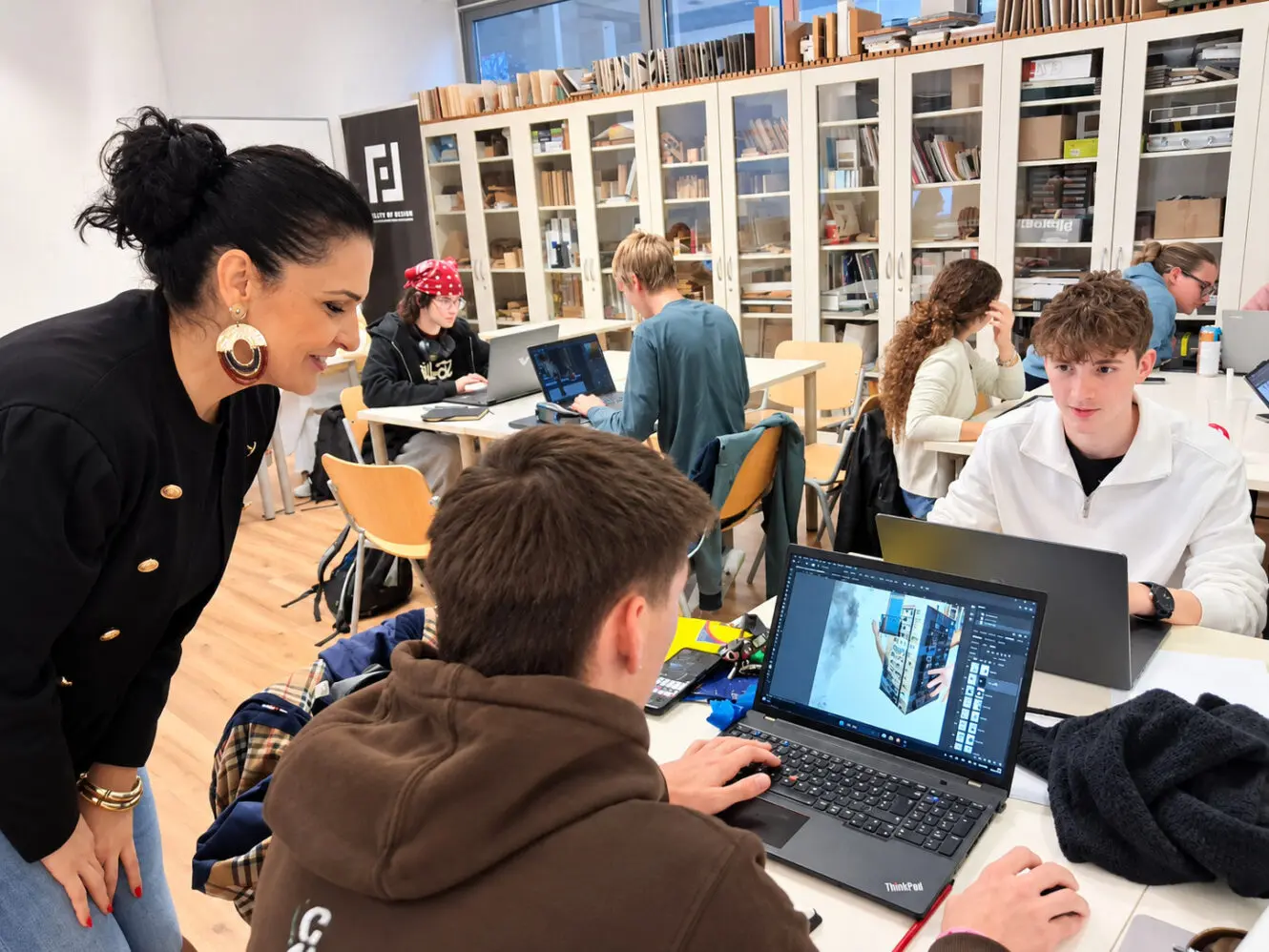
The programme on Dunajska Street also included Designing Adequate Housing for All: Graphic Design for Sustainable and Inclusive Futures, led by Assoc. Prof. Dr. Dušanka Komnenić from the Faculty of Contemporary Arts in Belgrade.
The workshop connected this year’s theme of adequate housing with graphic design and visual communication.
How can visual language communicate issues of sustainability, inclusion and quality of life? How can graphic design make complex topics more understandable, accessible and engaging?
Even seemingly different disciplines, such as architecture, social responsibility and graphic design, share a great deal in common. At the heart of each is the human experience and the way people interact with the world around them.
The workshop offered another opportunity to connect design disciplines and explore how different creative approaches can contribute to a better future.
Day Six – The Final Steps Before the OFFICE3000 Finale
The sixth day of Urban October once again demonstrated just how diverse a single day at the Faculty of Design can be.
While some students were developing prototypes and testing the feasibility of their ideas, others were exploring Plečnik’s architecture, reflecting on the future of rural communities, considering the changing role of design or investigating how visual communication can contribute to a more inclusive society.
Different disciplines, different approaches, yet so many shared questions.
Our sincere thanks go to all our international guests, lecturers and mentors who shared their knowledge, experiences and perspectives with us throughout the sixth day.
And a special congratulations to our students, who were already preparing for the final presentations of OFFICE3000 after nearly a week of intensive creative work.
Friday, 9 October, was just around the corner, bringing the grand finale of the first week of World Habitat Days: student project presentations and the opening of the OFFICE3000 Conceptual Projects exhibition.
After all the sketches, research, prototypes, revisions and new ideas, we couldn’t wait to see what everyone had created!
Part of the Urban October 2026 programme is supported by SPIRIT Slovenia as part of its wood promotion initiative.