Digital Catalogue of Our Month of Design: Urban October 2026
- INTERNATIONAL ACTIVITY

Explore the Urban October 2026 Digital Catalogue
October was anything but an ordinary month at the Faculty of Design this year. As the new academic year began, we opened the doors to Urban October 2026 – a month dedicated to design, filling our lecture halls, laboratories and partner venues with lectures, workshops, exhibitions, conferences, design talks and encounters between Slovenian and international creatives.
The central theme of this year’s programme was Adequate Housing for All. Through a wide range of activities, we explored how to create accessible, inclusive, healthy and sustainable living environments, and the roles that design, architecture, local materials, industry, education and communities play in shaping them.
Urban October began on 1 October, alongside the start of the new academic year and a warm welcome to our new generation of students. And since we apparently like to jump straight into things, the very first day also marked the launch of Wood, Stone and Sustainable Design Lab – OFFICE3000.
By combining Slovenian wood and stone, modular systems, biophilic design and Design Thinking methodology, the project explored contemporary working environments and the possibilities offered by local materials.
Working in international and interdisciplinary teams, students researched, experimented, developed concepts and gradually transformed their ideas into initial prototypes. This intensive creative process concluded with team presentations and the OFFICE3000 Conceptual Projects exhibition.
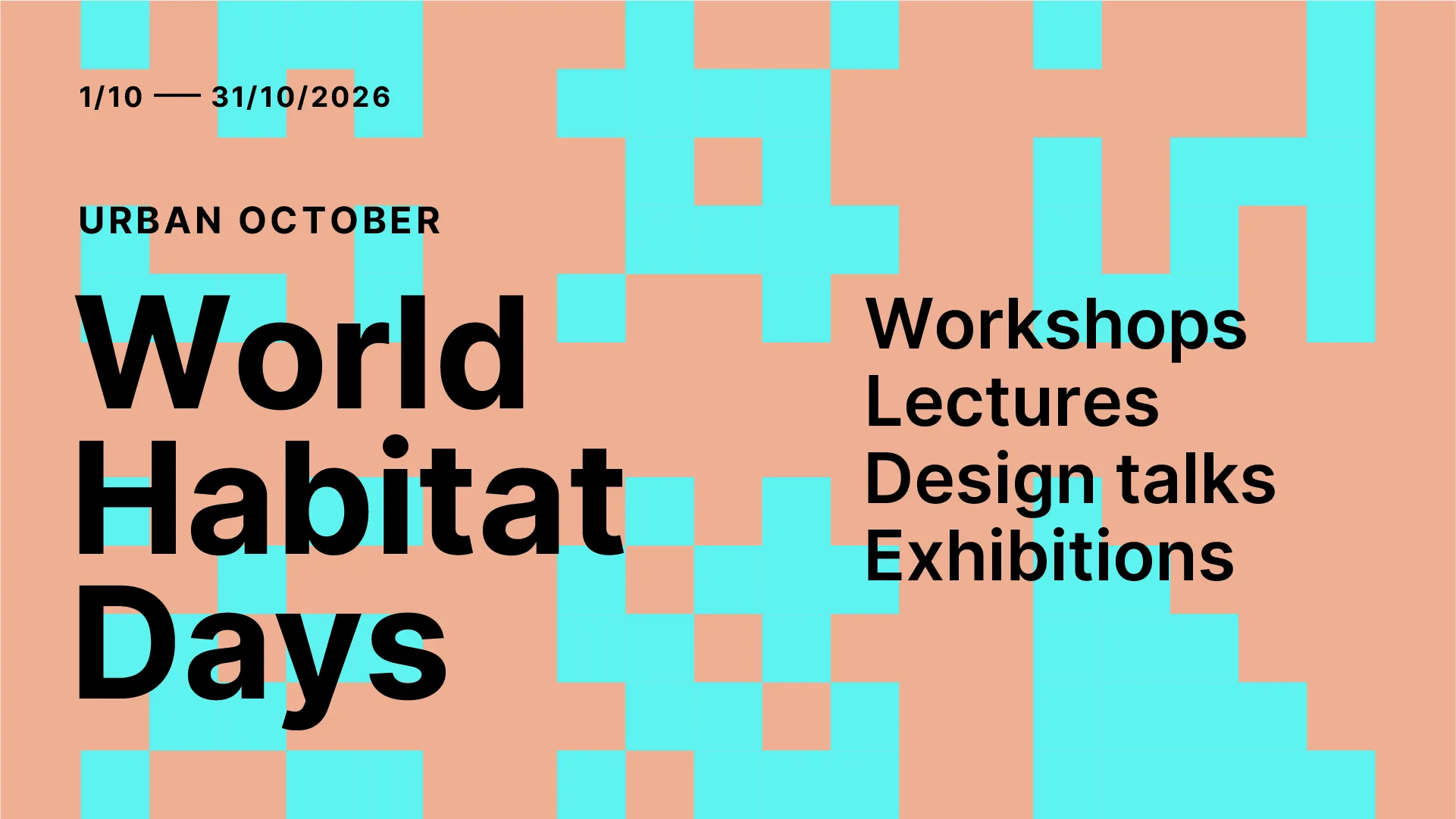
One of the month’s highlights was the celebration of World Habitat Day, which transformed the Faculty of Design into a lively meeting point for lectures, exhibitions, discussions and creative activities.
The opening brought together representatives of academia, design organisations, public institutions and industry, followed by an international conference exploring the culture of living, wood, communities, sustainable materials and the cities of tomorrow.
We presented projects focusing on sustainable corporate and personal gifts made from wood remnants, cooperative housing for young people and Tiny Houses concepts.
Slovenian and international experts explored community-centred design, equitable housing, the use of earth, timber and upcycled materials, and the role of natural resources in creating more inclusive cities. The day concluded with a Design Talk on the role of wood in addressing the housing crisis and fostering a sustainable culture of living.
The following days brought so many activities happening simultaneously that keeping up with everything was sometimes quite a challenge!
At HDMI, the workshop From Idea to Prototype: Suitable Housing for All also welcomed primary and secondary school pupils, who explored the basic principles of construction, stability, functionality and protection in the design of shelters.
Meanwhile, students at the Faculty participated in workshops exploring materials with memory, urban planning, interior architecture, the regenerative potential of living spaces, and the relationship between design and community.
Another important part of the programme was the Design Talk The EU at a Crossroads: Urban Design for Green Oases of Tranquility and a Culture of Living for All, which brought together perspectives on European cities, green urban oases, public spaces and the culture of living.
Participants reflected on how design can contribute to cities that are not only efficient, but also welcoming, peaceful, inclusive and genuinely designed around people’s needs.
Part of the programme also moved to our much-loved Center Rog.
What was originally planned as a Design Talk evolved into a rich series of presentations showcasing real design projects.
Asst. Prof. Inge Kalan Lipar presented the projects Oblečimo fasade (Dressing Facades) and Pasaža Nebotičnik (Nebotičnik Passage), while MSc Veronika Gruden Bole introduced the KOCles projects, demonstrating how our students engage with real clients, professional expectations and practical challenges while still studying.
Prof. Dr. Dušanka Komnenić presented graphic pattern design projects in which seemingly unrelated elements are brought together through colour and composition to create unexpected visual harmonies.
Maja Towndrow guided us through the history, renovation and present-day identity of Center Rog, introducing its activities, laboratories and the many opportunities it offers to creative professionals.
After a short coffee and croissant break, we also enjoyed a guided tour of the centre. The programme at Rog continued with Sustainable Management in Practice: Between Strategy and Communication, connecting sustainable management, strategic thinking and communication.
Meanwhile, activities continued at the Faculty of Design.
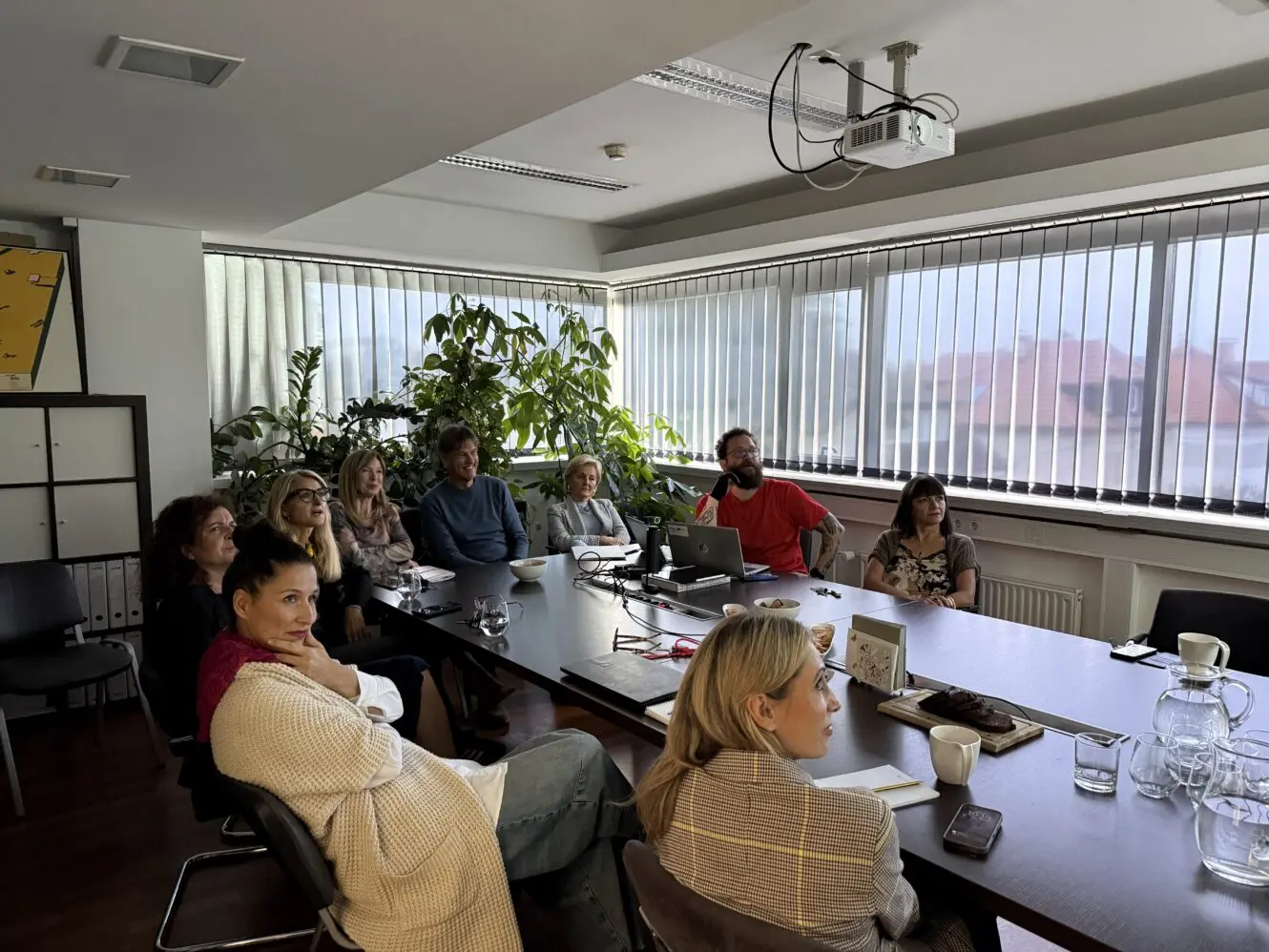
Together with students, international guests explored adequate housing, the relationship between urban planning and interior architecture, graphic design for sustainable and inclusive futures, and the role of design management and design managers in design-driven organisations.
The programme was complemented by a guided tour of Plečnik’s Ljubljana, offering our international guests a different perspective on the city through its architecture, details and the stories embedded in its spaces.
But Urban October certainly didn’t end with the conclusion of its main week.
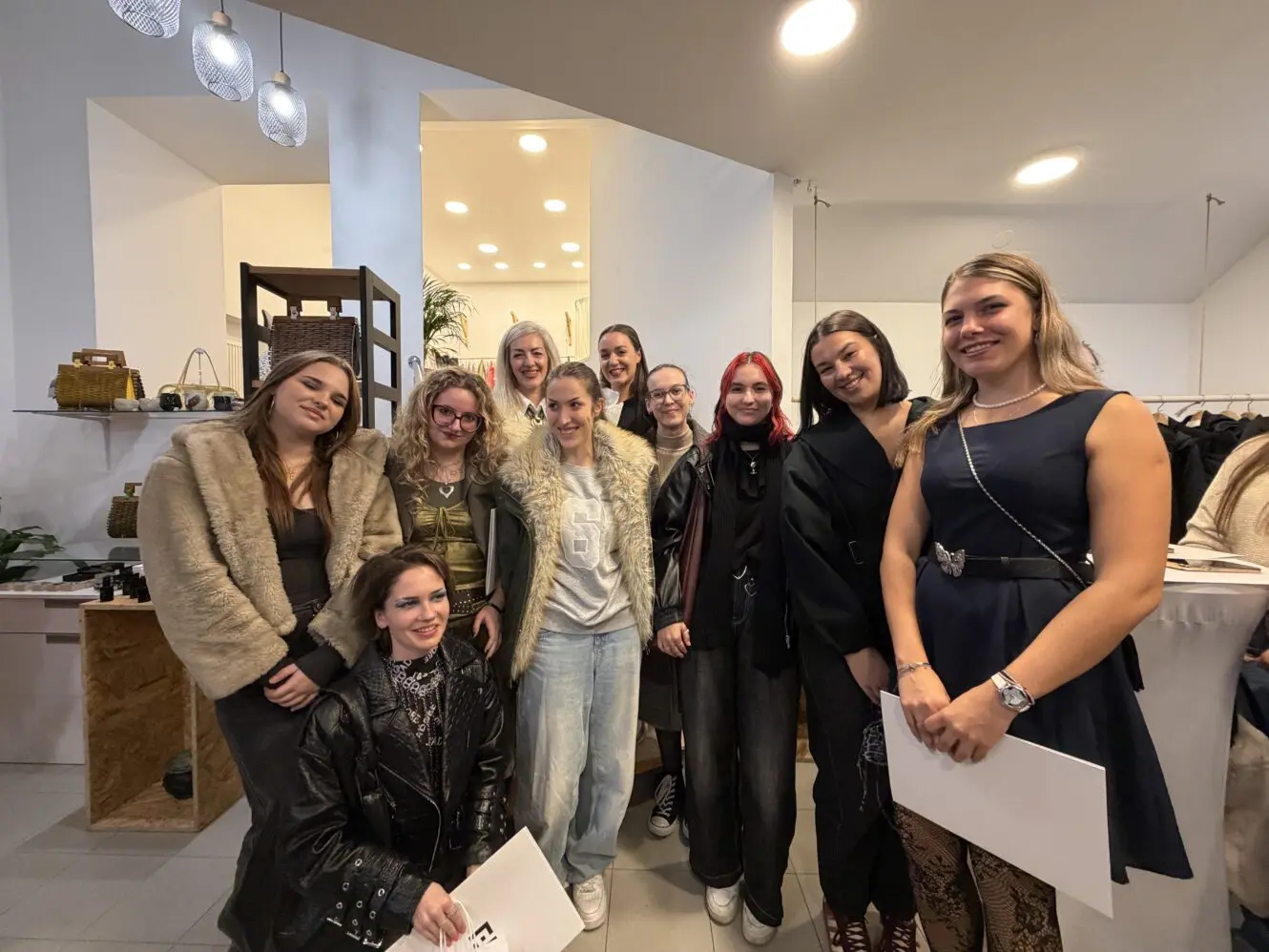
Our Fashion and Textiles students presented their creations at Ljubljana Fashion Week, while the Creative Intertwinings 2025/2026 exhibition opened at the DLUL Gallery.
The programme also continued with the Young Design Talents Summer School, Designer in the Real World: Practice, Strategy and Identity.
The summer school introduced students to aspects of the creative profession that are perhaps discussed a little less often: independent work, collaborating with clients, developing a professional identity, negotiation, strategy and the journey from an initial idea to presenting it in the real world.
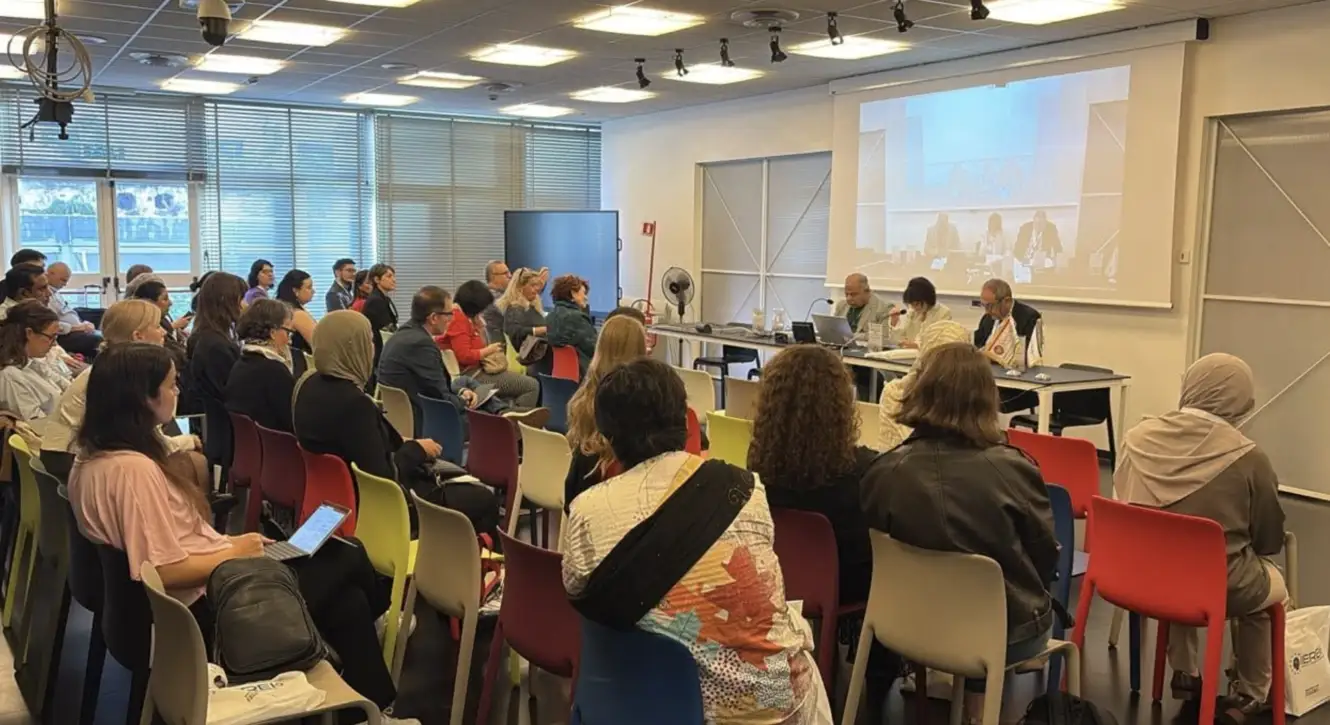
The Faculty of Design also participated in the 7th International Conference on Urban Regeneration and Sustainability (URS) in Rome, where experts addressed urban regeneration, adaptive reuse of buildings, cultural heritage, green public spaces and community engagement.
We symbolically concluded the month by marking World Cities Day, reminding us once again that the future of cities is not simply a matter of technology and infrastructure, but above all, a matter of people, their homes and the quality of everyday life.
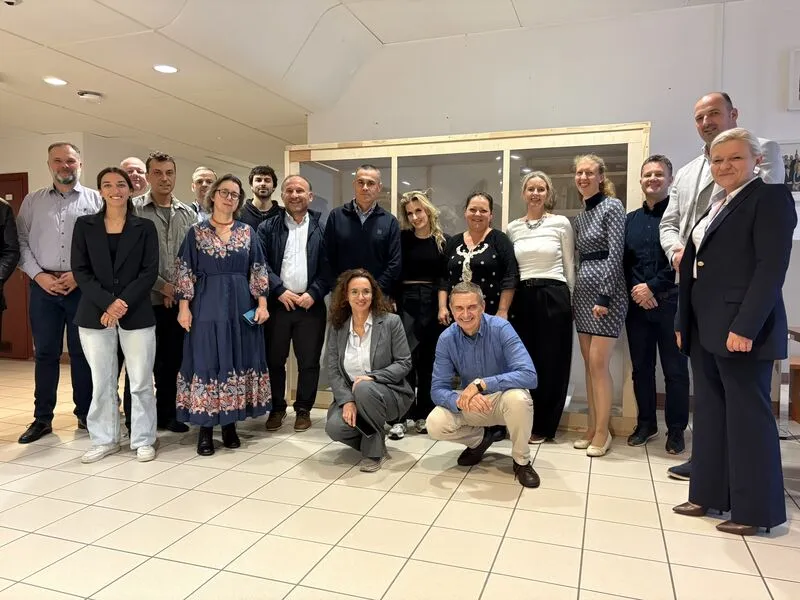
Urban October 2026 brought together students, lecturers, researchers, designers, architects, industry representatives, public institutions and international partner organisations.
Our spaces became places for exchanging knowledge, experimenting, discussing ideas and developing new collaborations.
Above all, October offered an opportunity for the learning process to extend far beyond traditional lectures – into laboratories, workshops, exhibition spaces, the city itself and real-world design challenges.
New concepts, prototypes, exhibitions and research ideas emerged. But perhaps even more importantly, so did new conversations, connections and ideas that will continue long after October has ended.
A heartfelt thank you to all our students, mentors, guests, partners and colleagues who helped bring this year’s programme to life.
Urban October was diverse, international and, at times, rather intense – but that is precisely what made it so vibrant.
Part of the Urban October 2026 programme was supported by SPIRIT Slovenia as part of its wood promotion initiative.