
The Grand Finale of OFFICE3000 and the Conclusion of the First Week of World Habitat Days
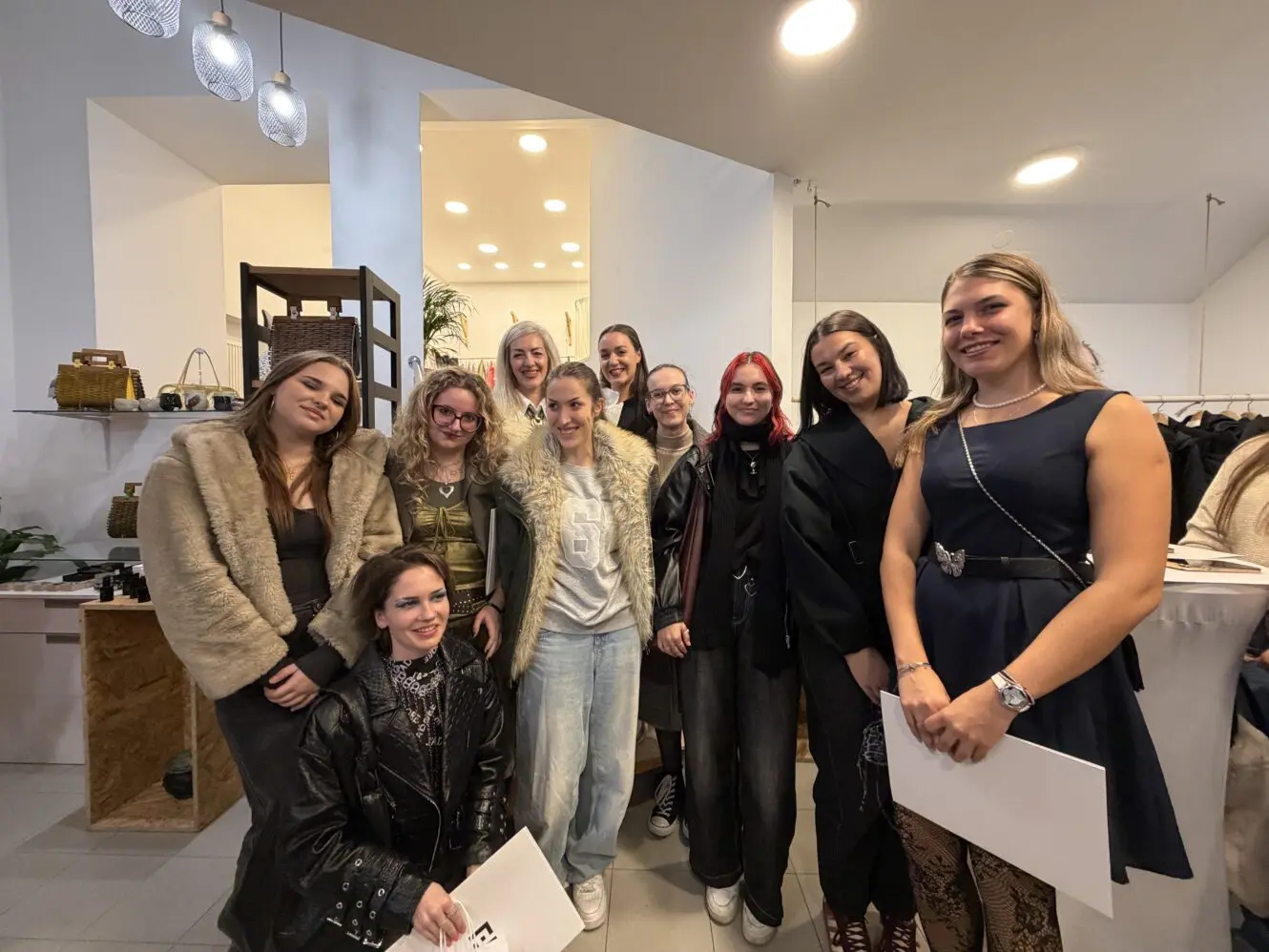
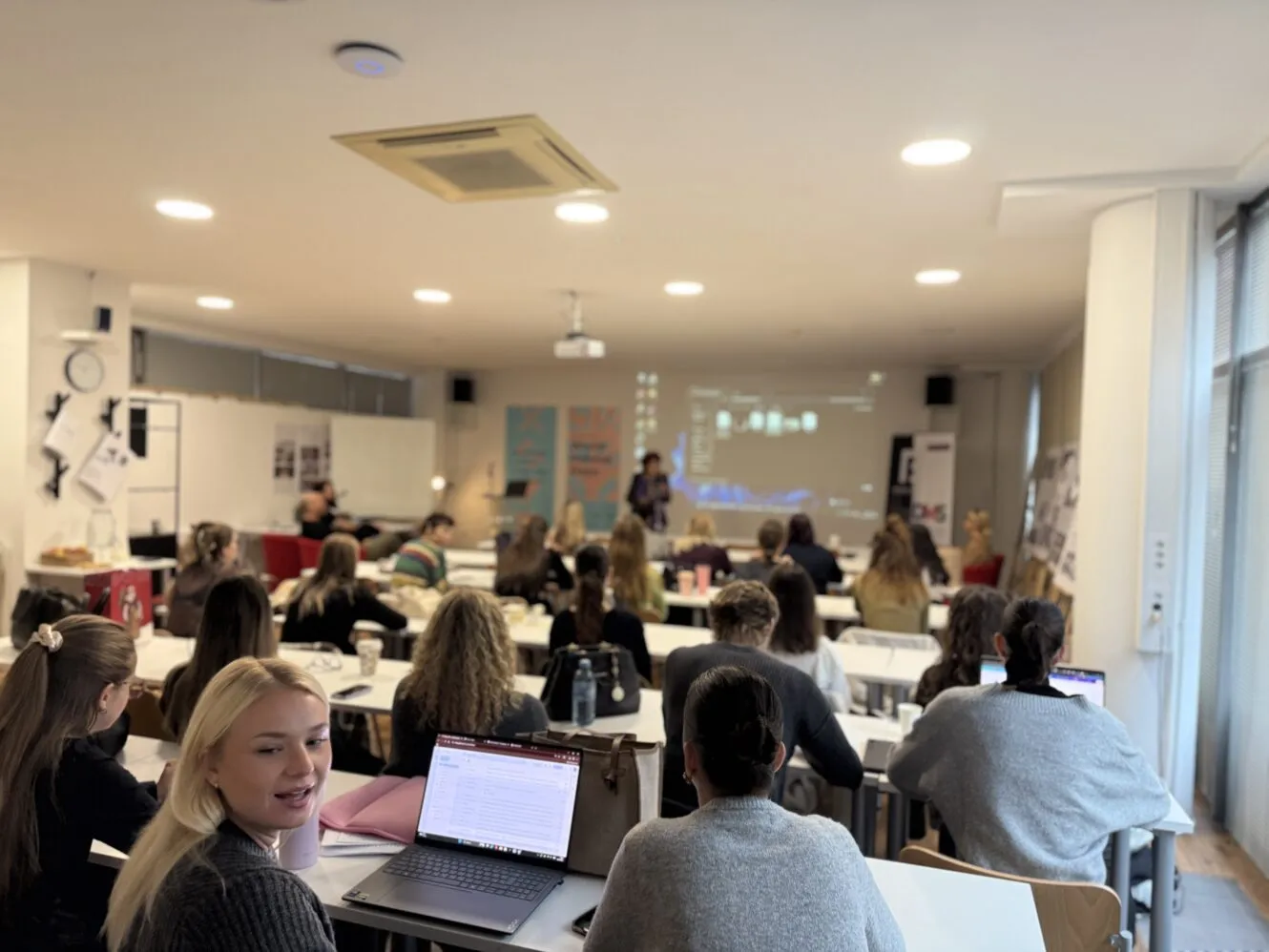
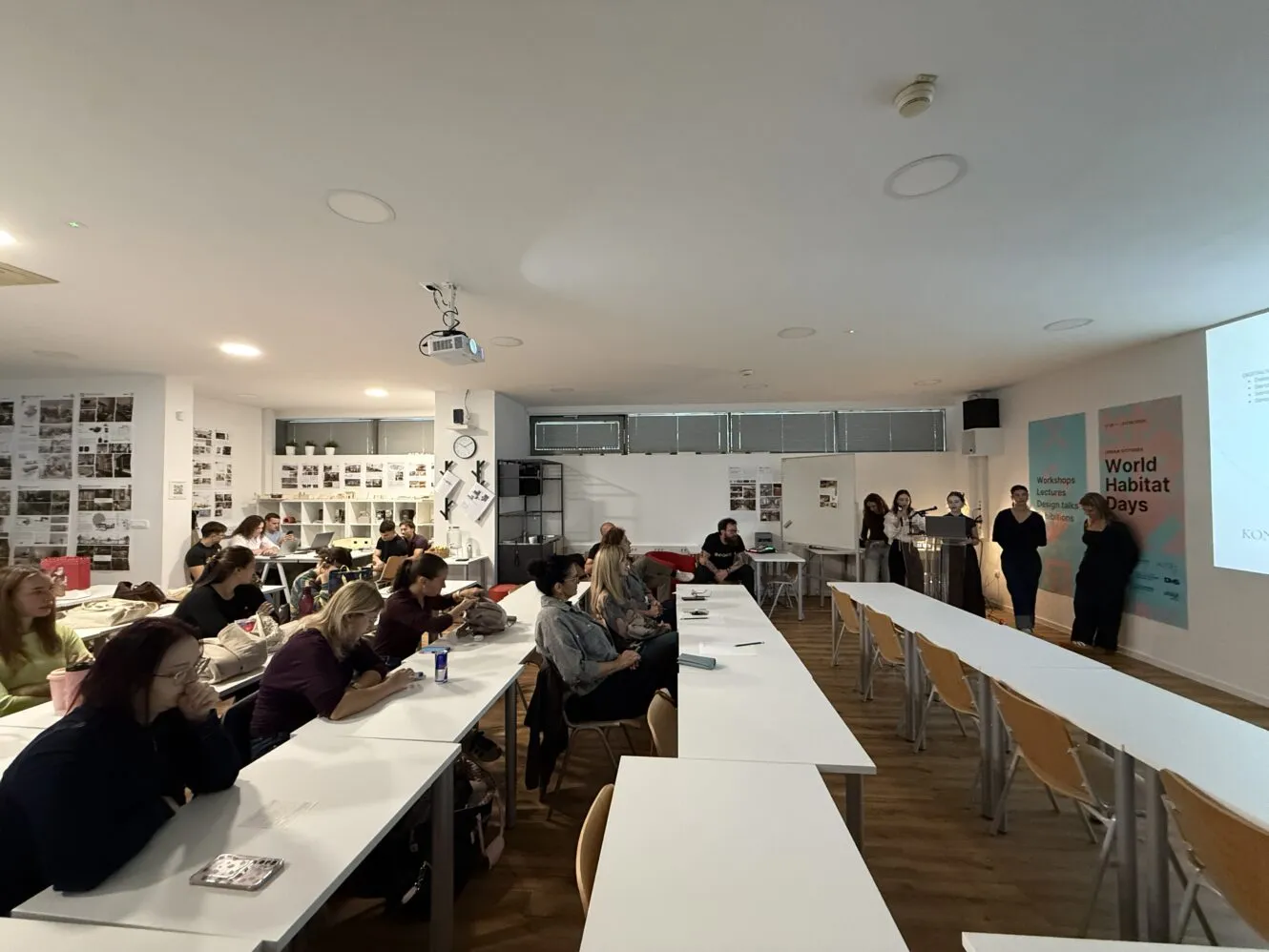
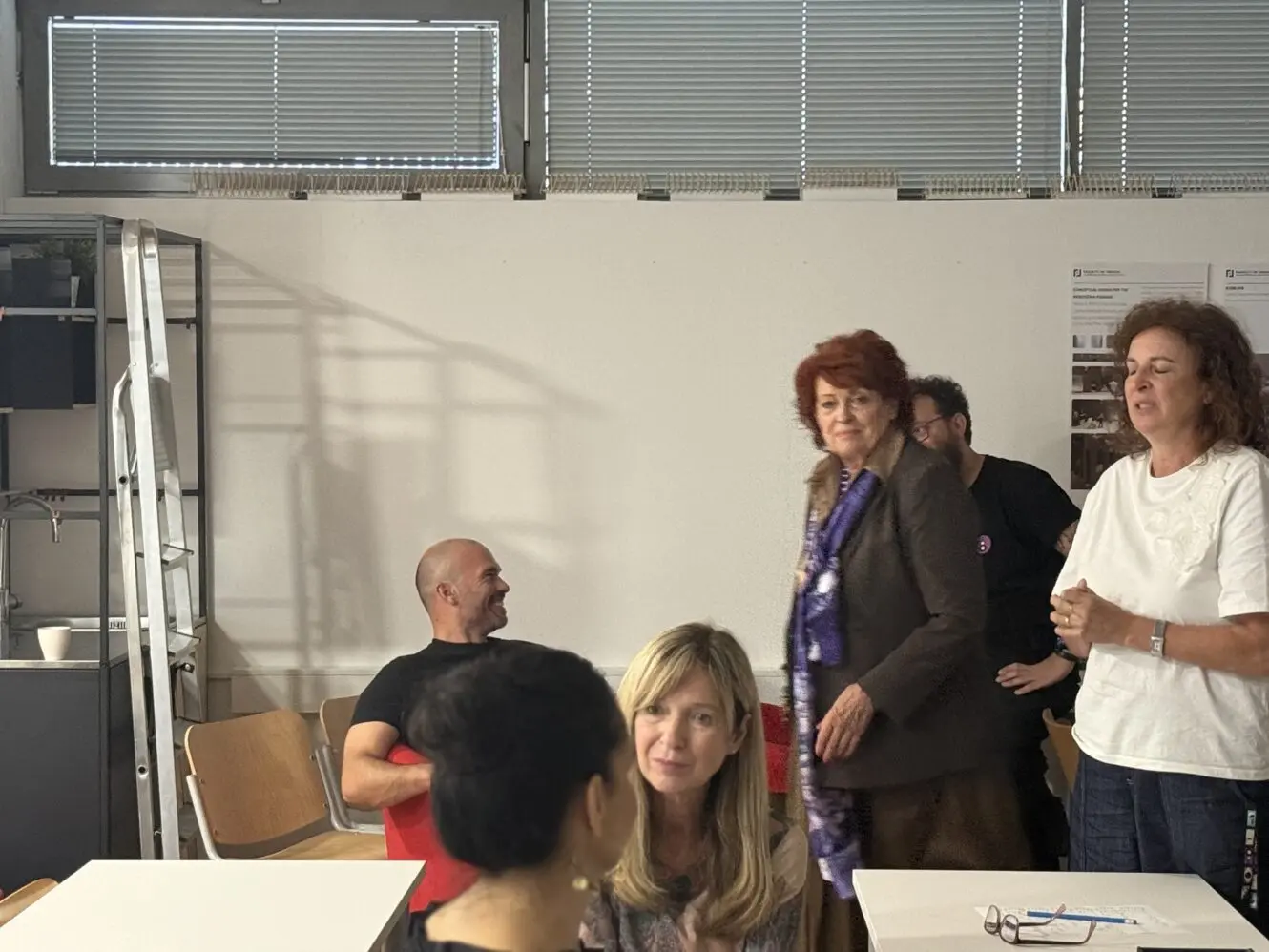
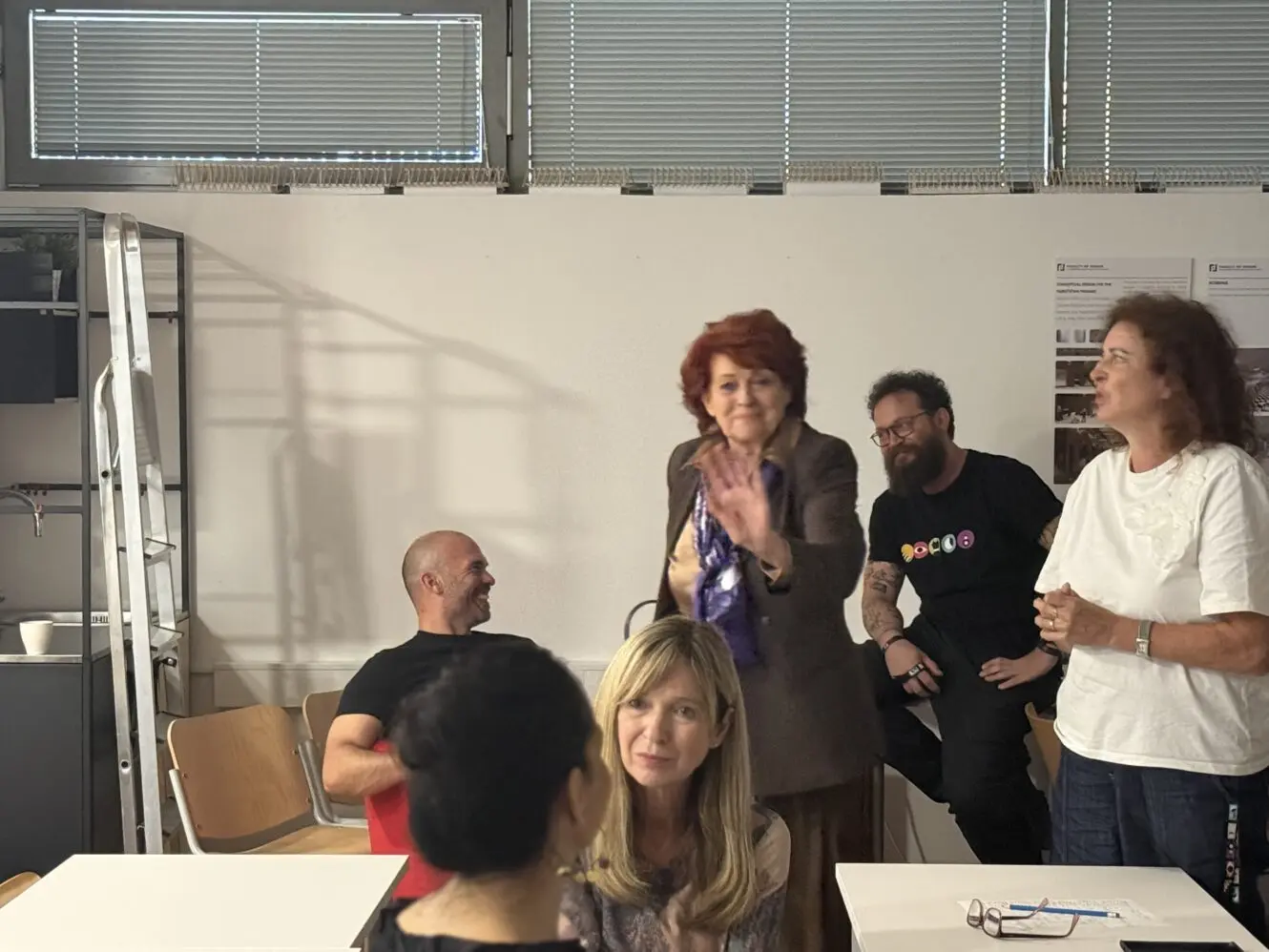
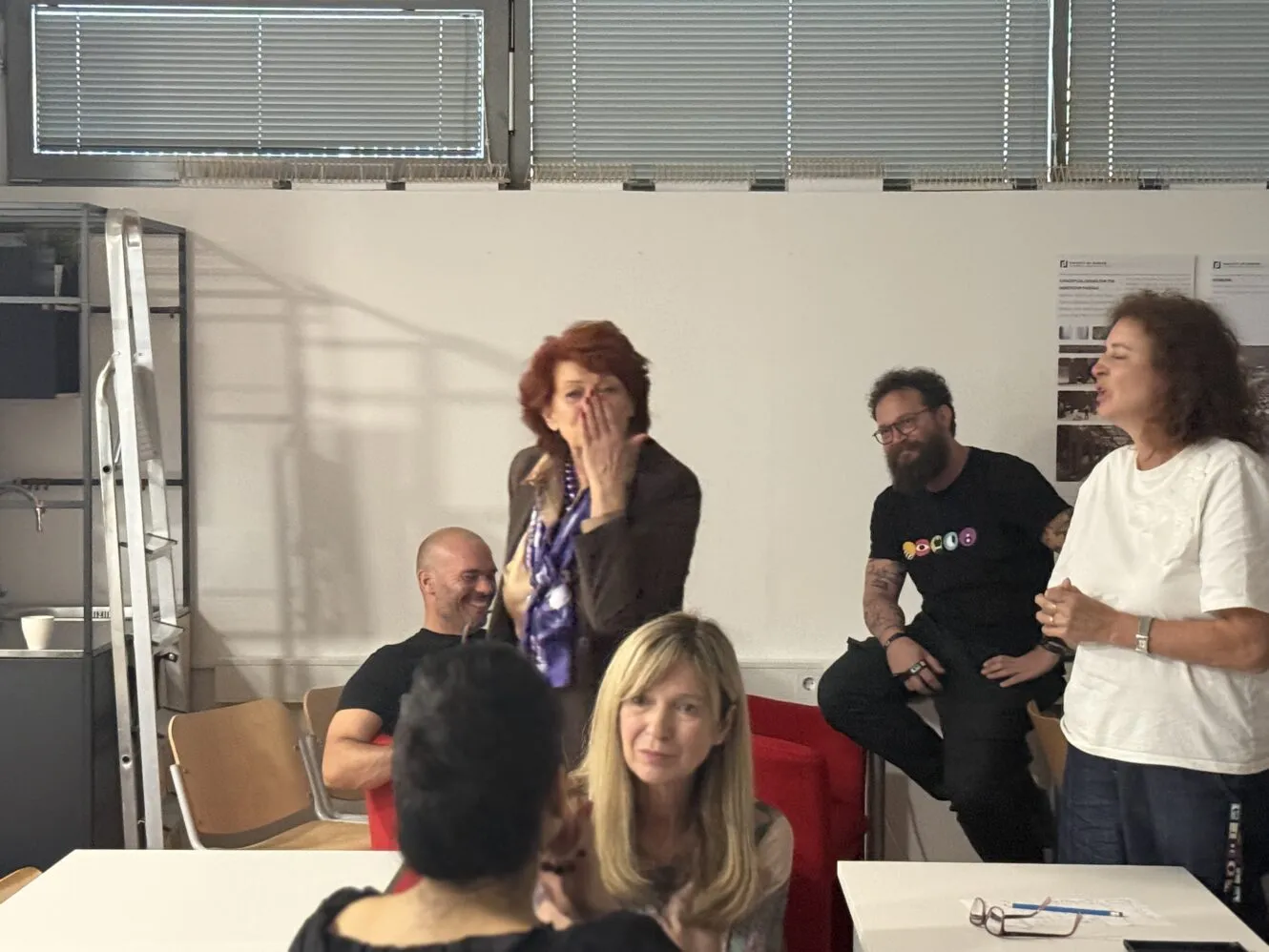
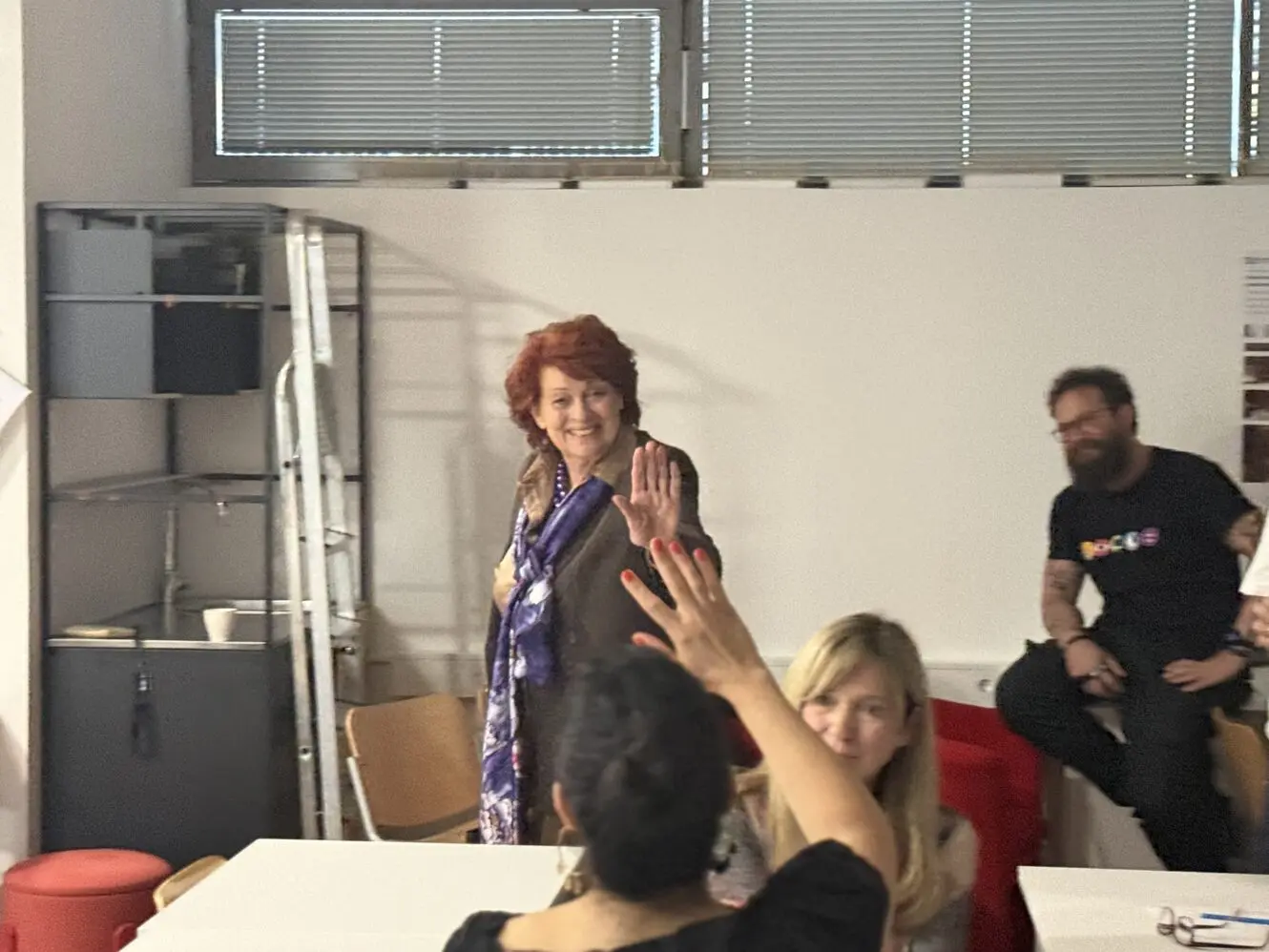
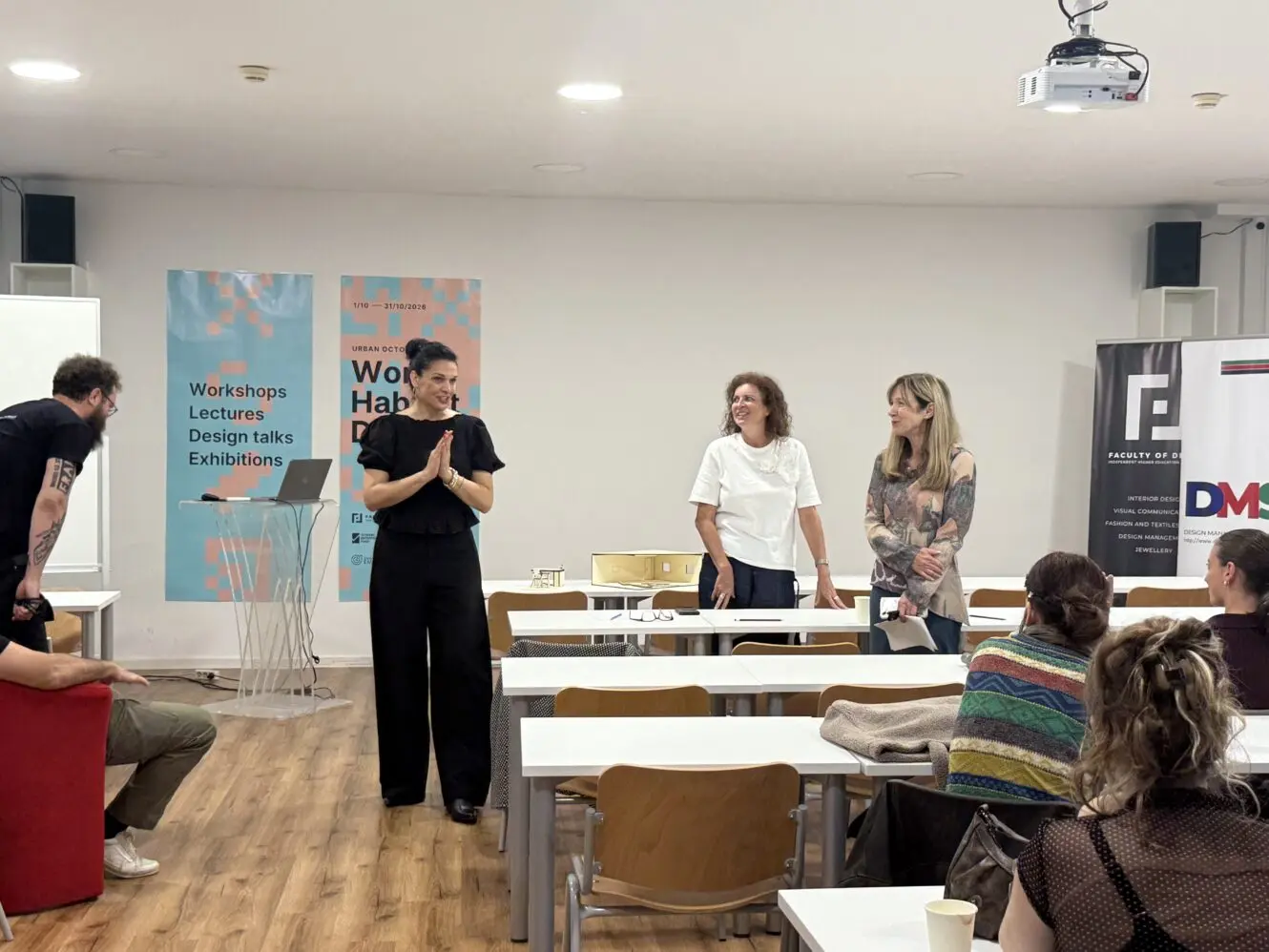
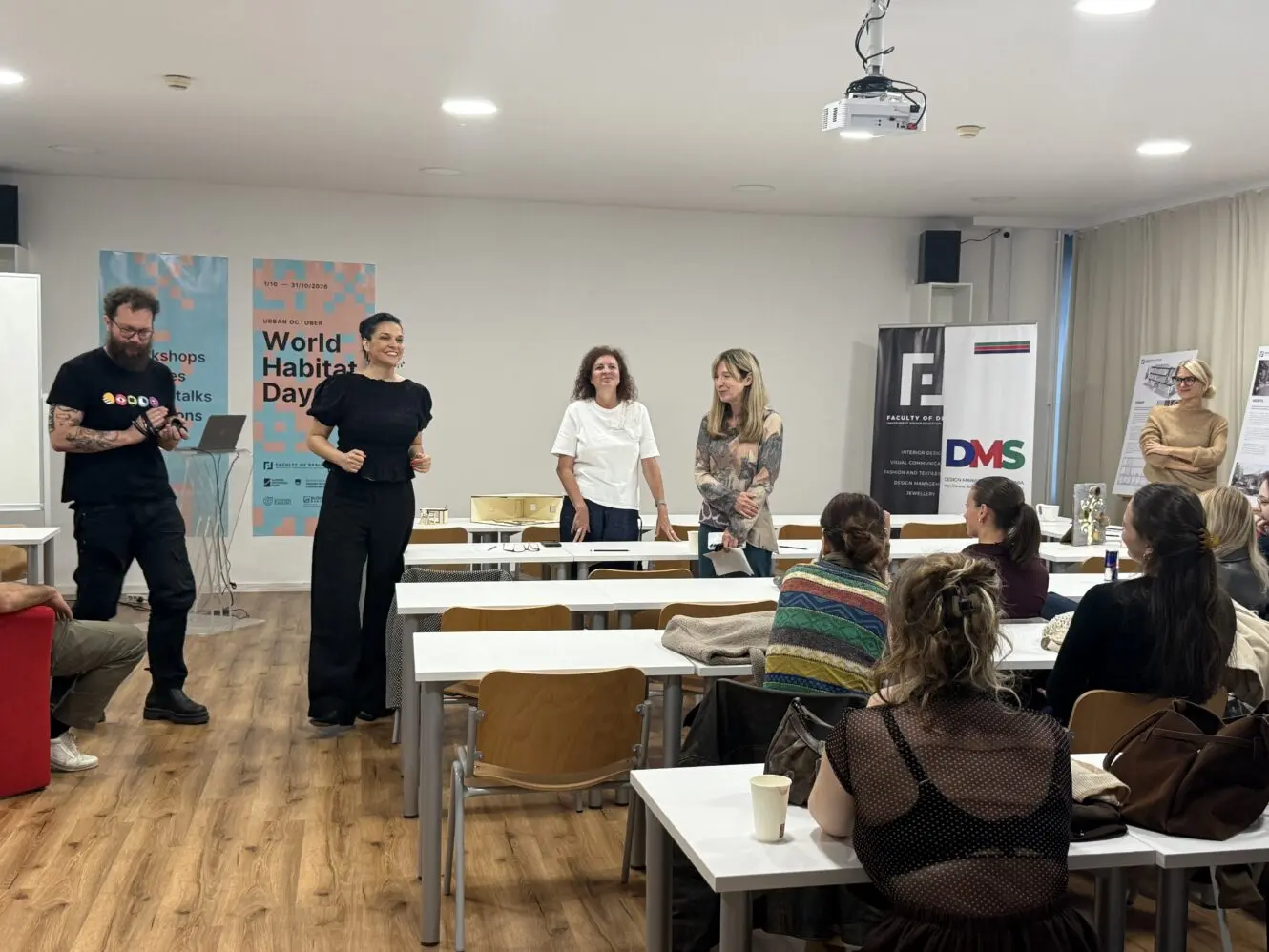
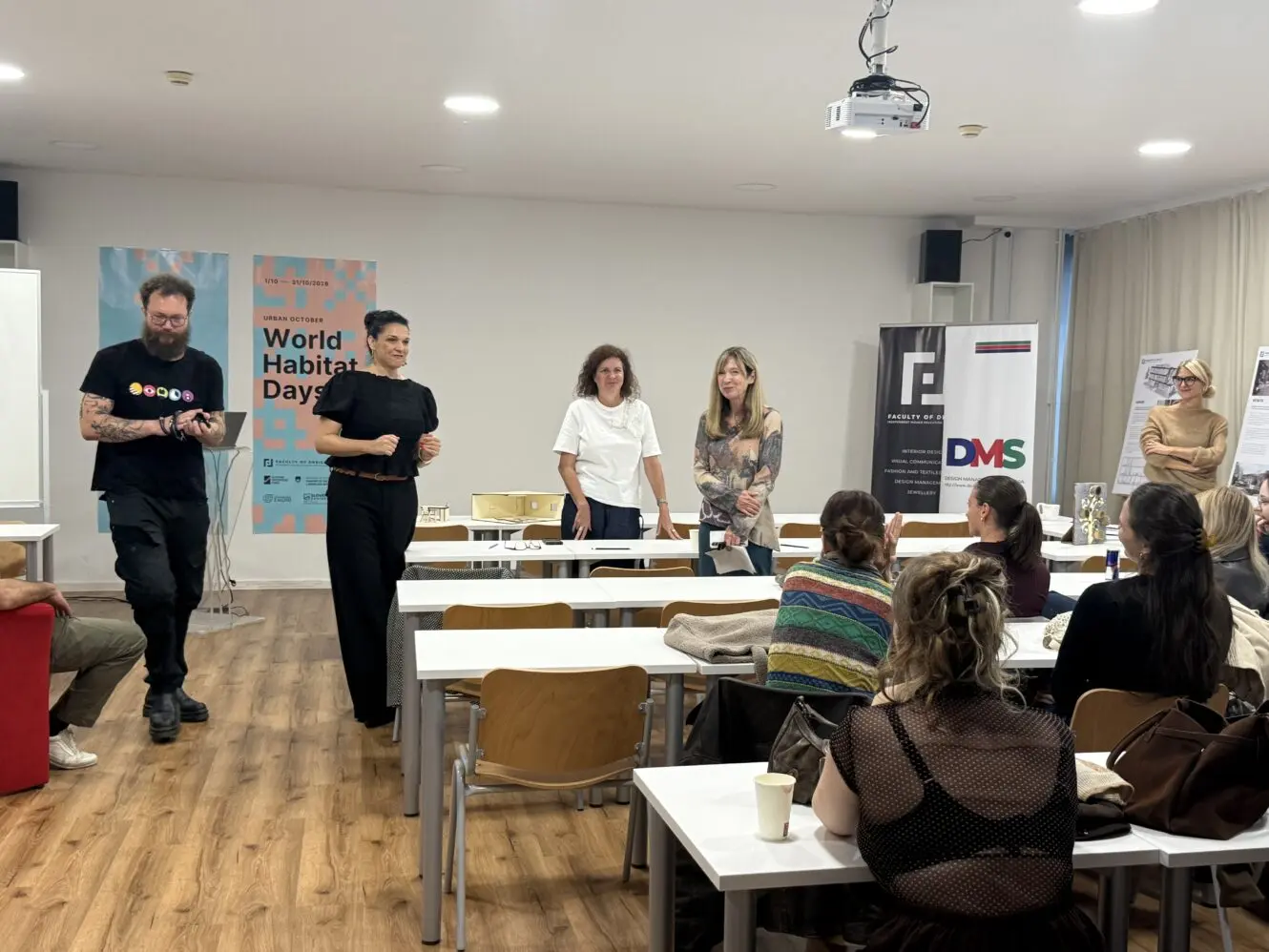
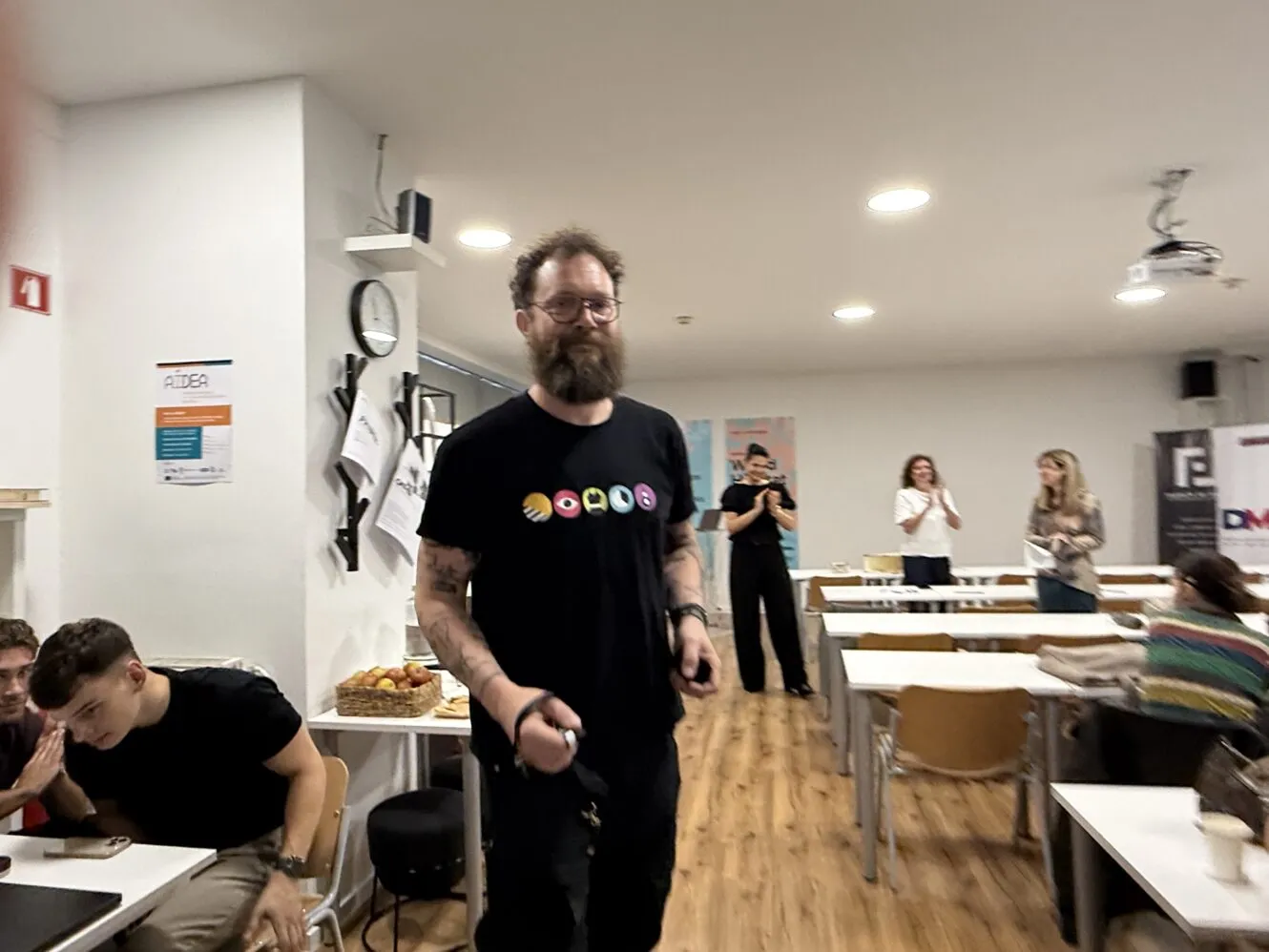
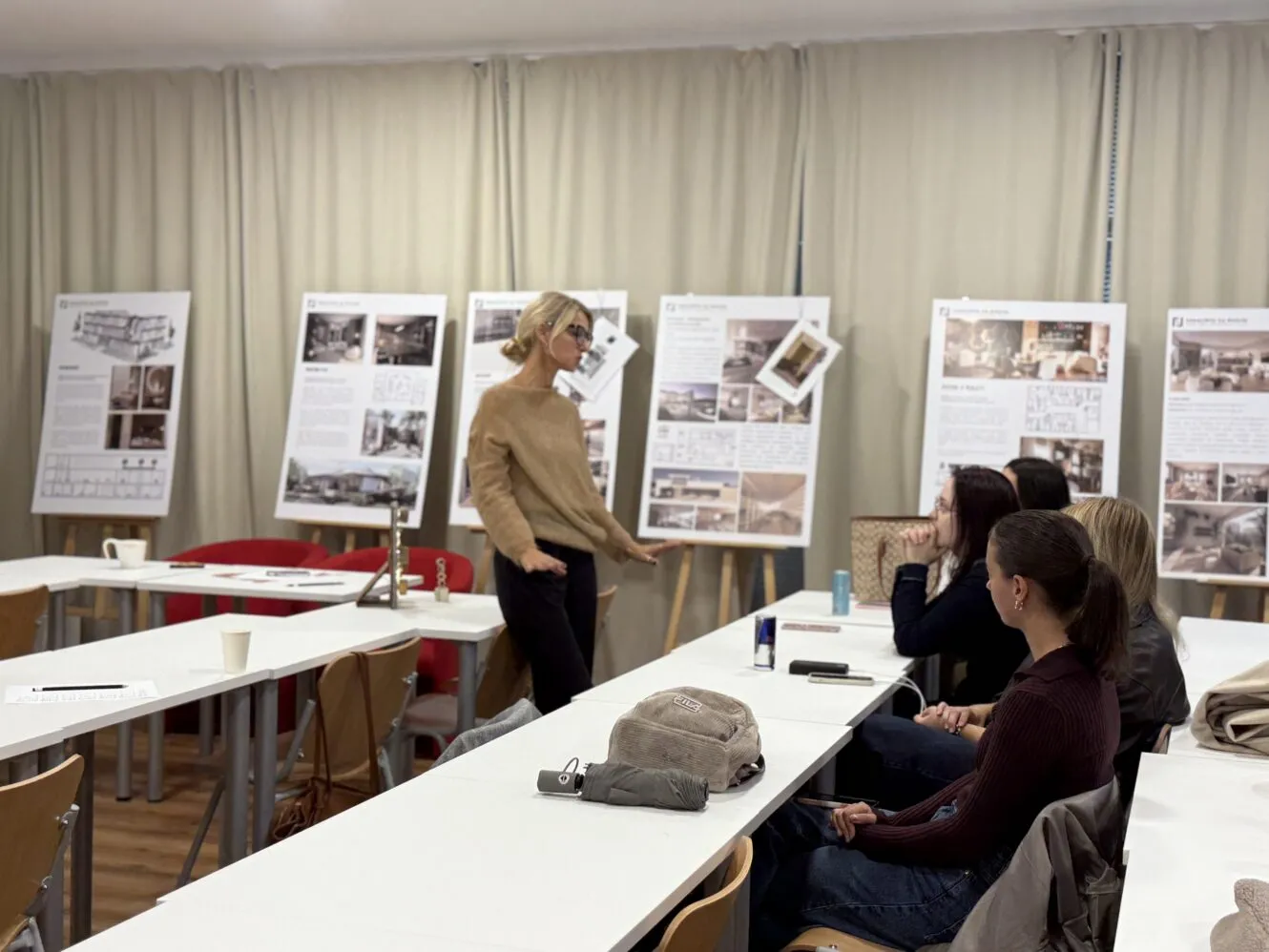
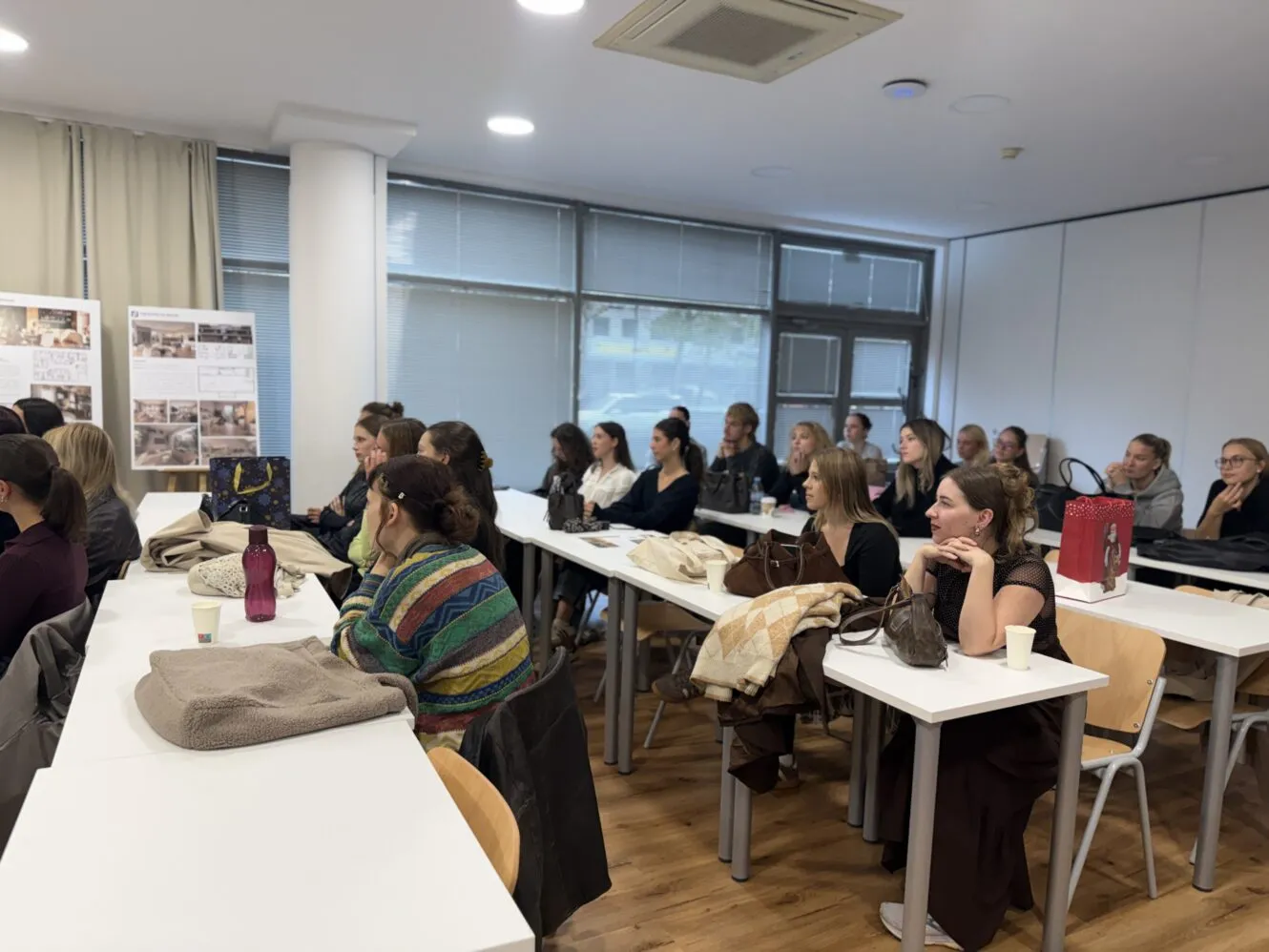
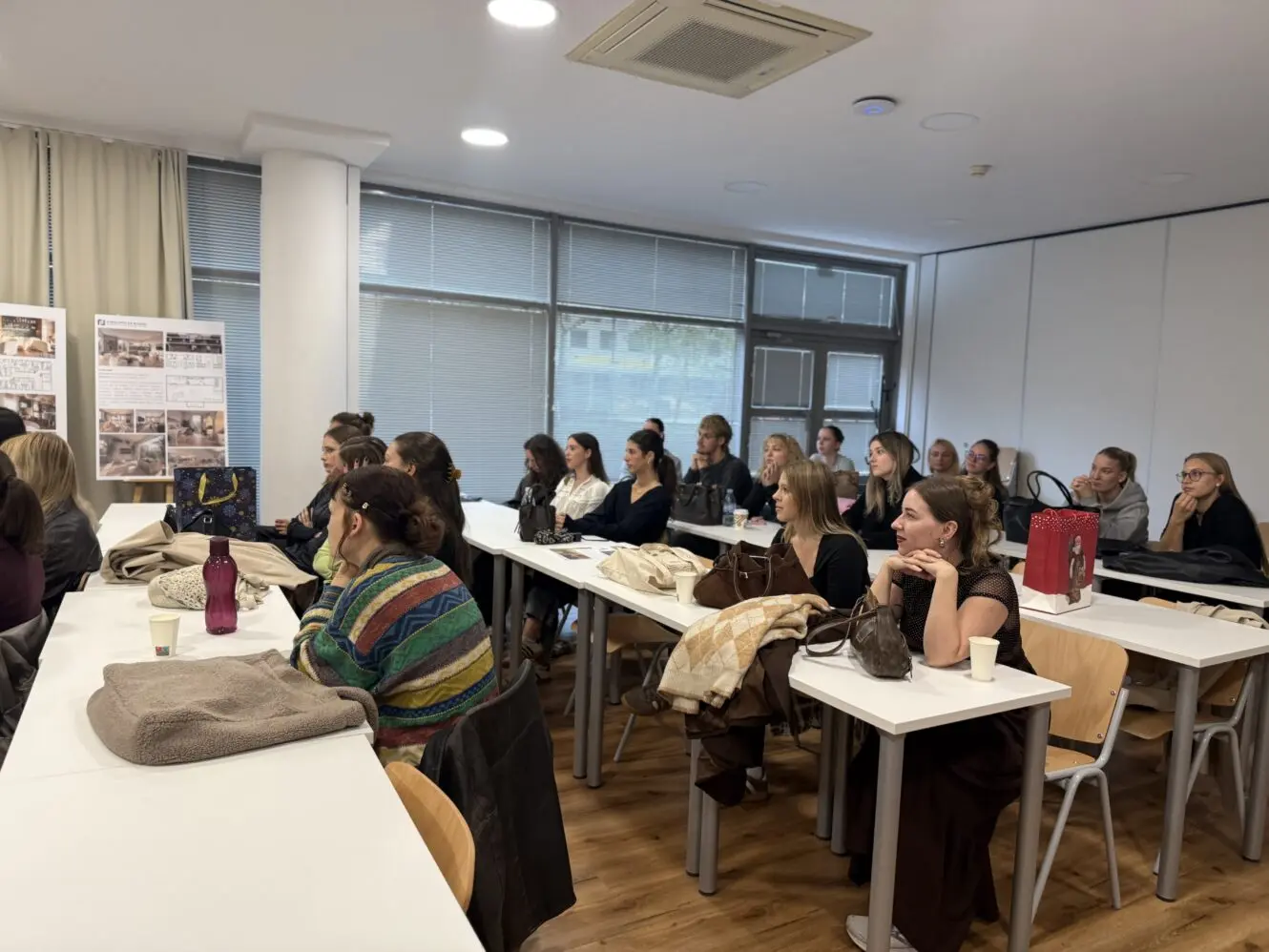
Friday, 9 October, was a particularly special day. After a week of intensive creative work, research, countless questions, experiments and new ideas, the time had finally come for the OFFICE3000 final presentations. And boy oh boy, did our students have something to show us! 🙂
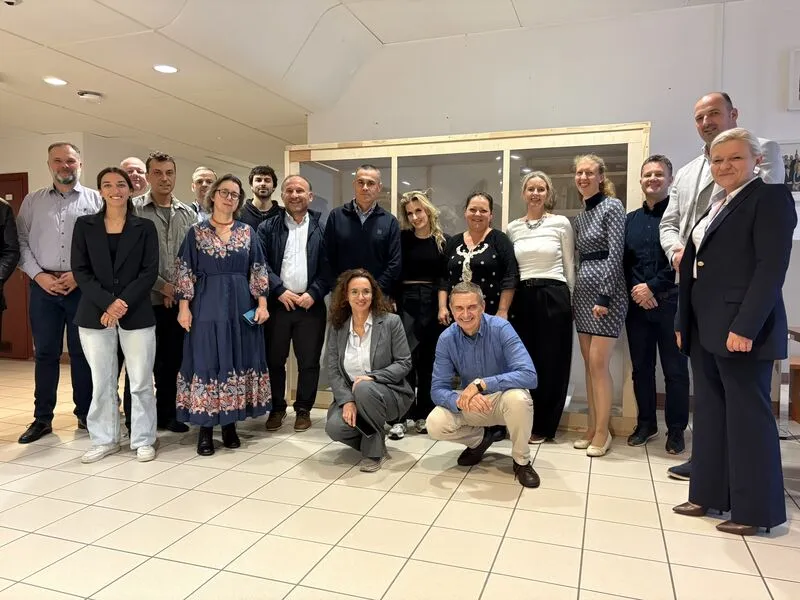
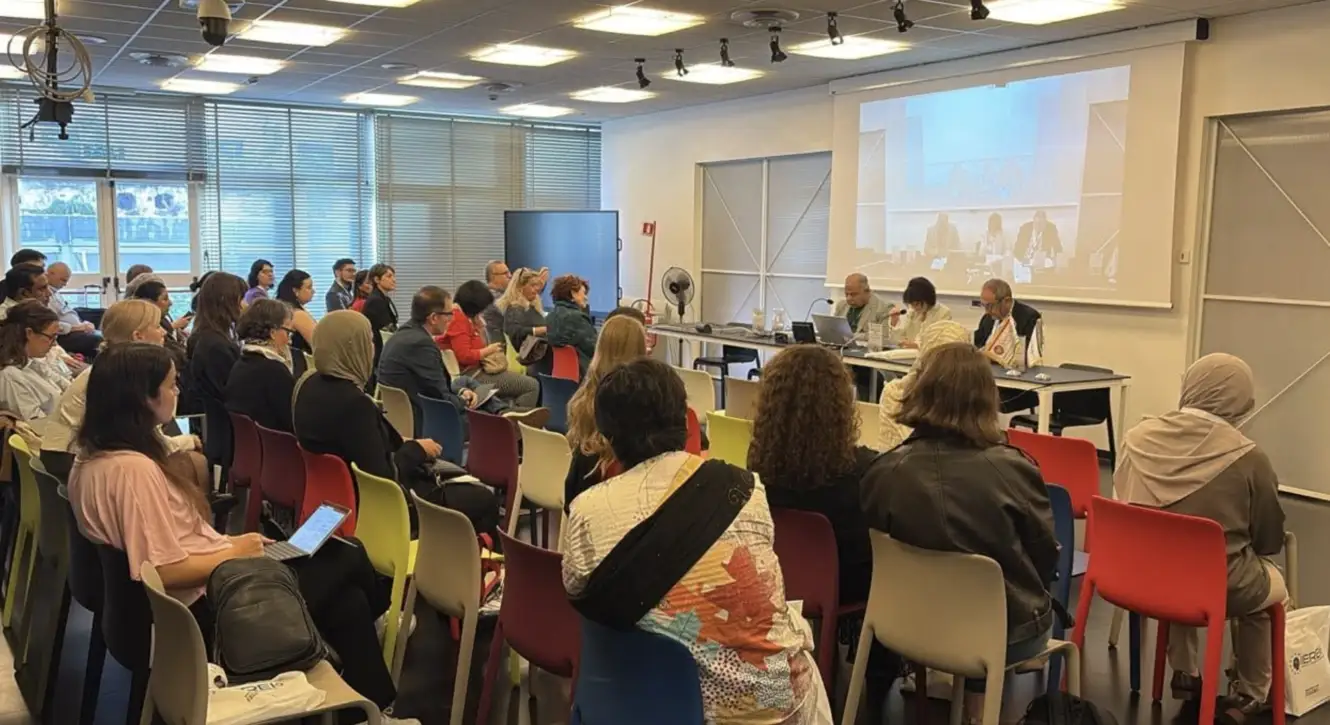
Friday also marked the conclusion of the first, exceptionally busy week of World Habitat Days, part of Urban October 2026, which brought together Slovenian and international experts, students, mentors and professionals from various design disciplines at the Faculty of Design.
It had been a week filled with inspiring lectures, workshops, discussions and new connections. But Friday was all about our students and their ideas.
OFFICE3000 – One Challenge, So Many Different Solutions!
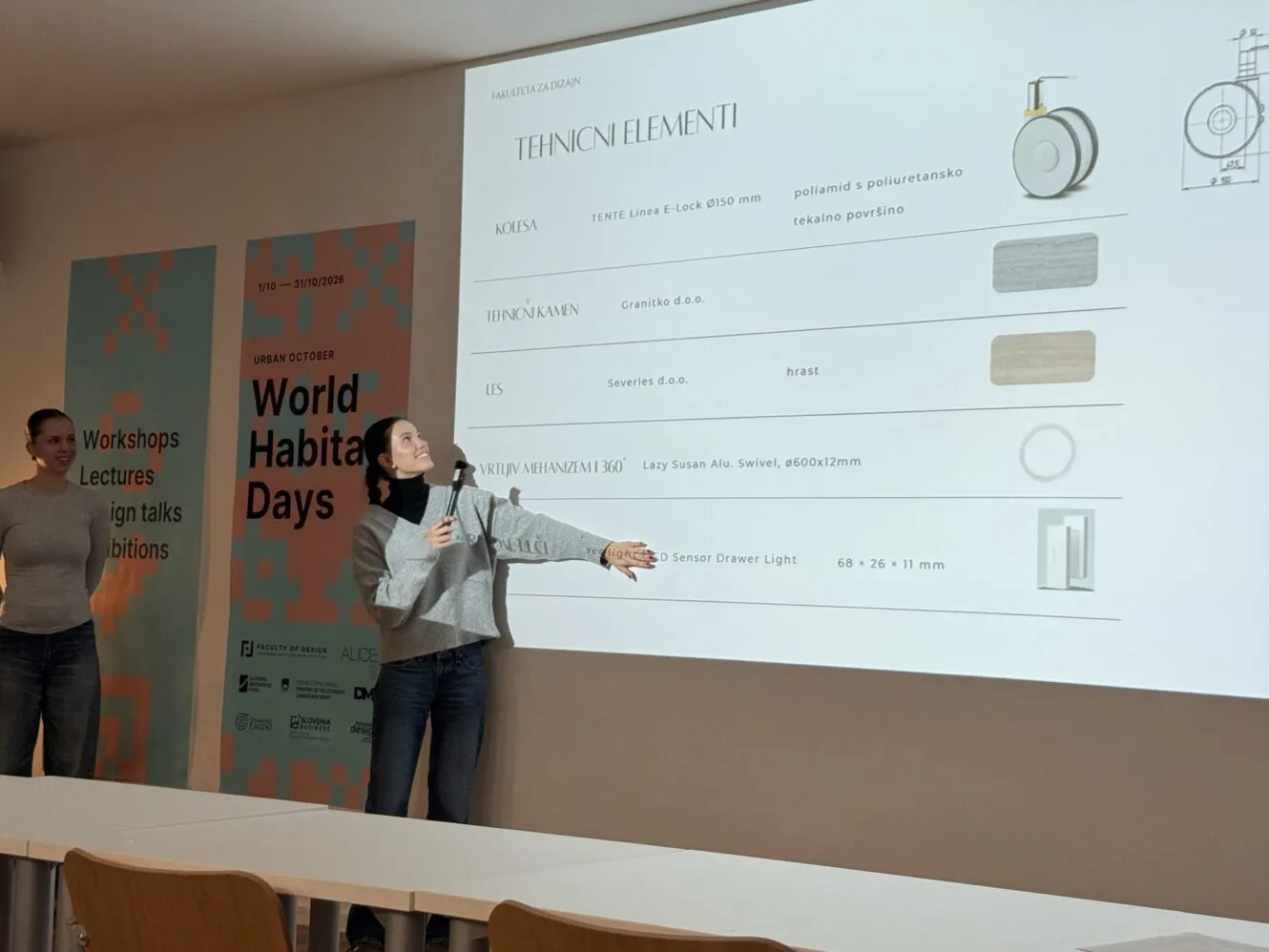
The OFFICE3000 project, which began on Thursday, 1 October, presented students with an interesting design challenge: to develop a concept for modular furniture incorporating two mandatory materials – wood and stone.
Sounds fairly straightforward, doesn’t it?
Well, in practice, it quickly became clear that the possibilities were almost endless, and so were the questions.
How do you combine two materials with such different properties? How do you create a product that is functional, aesthetically appealing, adaptable and genuinely meaningful for its intended users? How do you approach assembly, construction, mechanisms and practical usability?
And most importantly, how do you transform an initial idea into a convincing design concept?
What delighted us most was how differently the students approached the assignment. This diversity became one of the most exciting aspects of the final presentations.
From the First Sketch to the Final Pitch
Over the course of an intensive week, our student teams went through quite a creative journey.
It all began with researching existing products, analysing users and target groups, and identifying opportunities for improvement. The next stages involved initial sketches, conceptual designs, experimenting with different approaches and developing ideas further.
But a good idea is only the beginning.
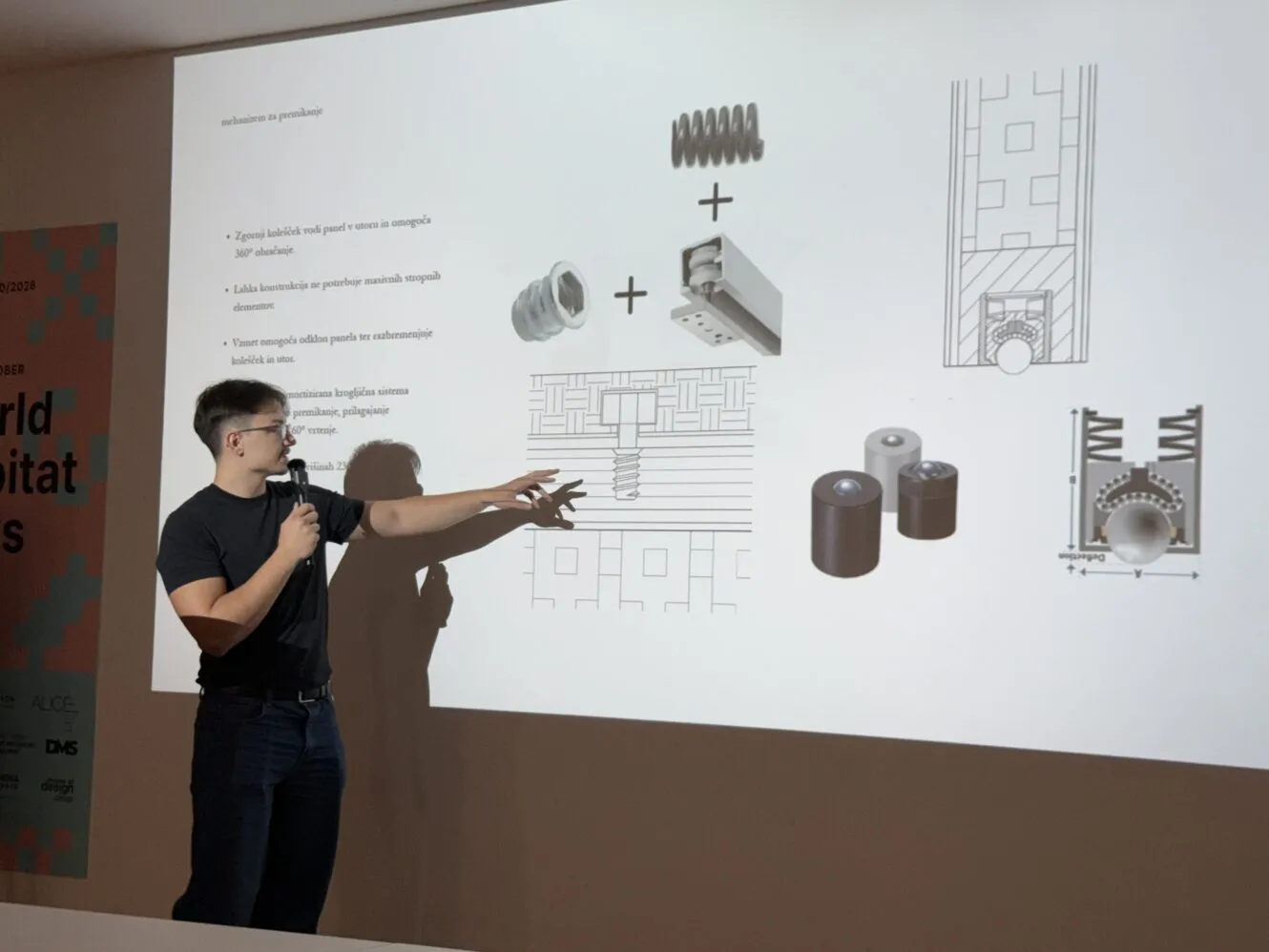
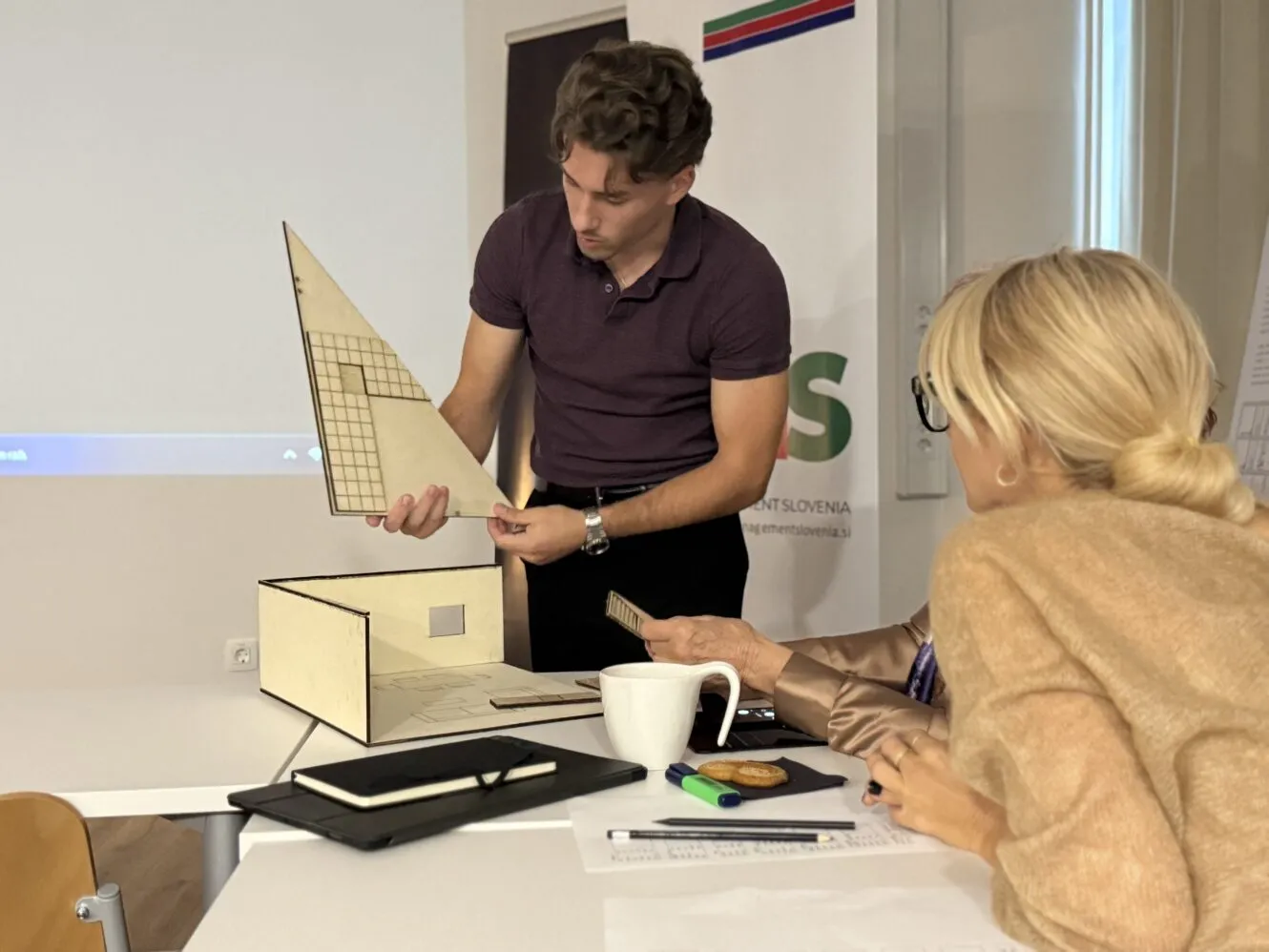
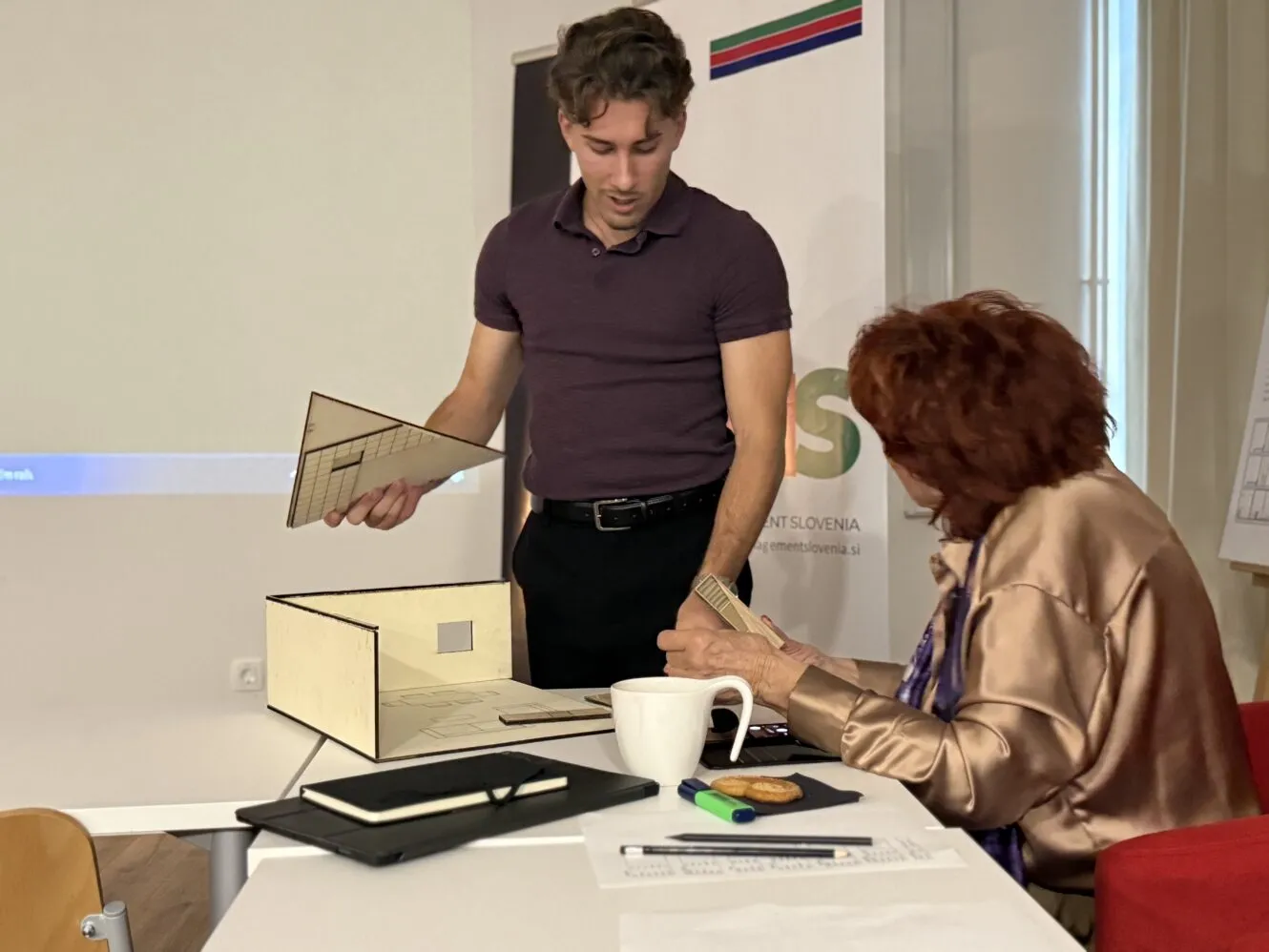
Students also had to consider materials, structural solutions, assembly methods, mechanisms, modularity and technical feasibility. Along the way, they developed prototypes, technical drawings, presentation renders, visual identities and videos.
Naturally, not everything went according to plan. There were limitations, unexpected questions, changes to original ideas and challenges that required further exploration.
But that is precisely what the design process is all about.
Researching, experimenting, sometimes discovering that something doesn’t work, finding another solution and gradually improving the concept.
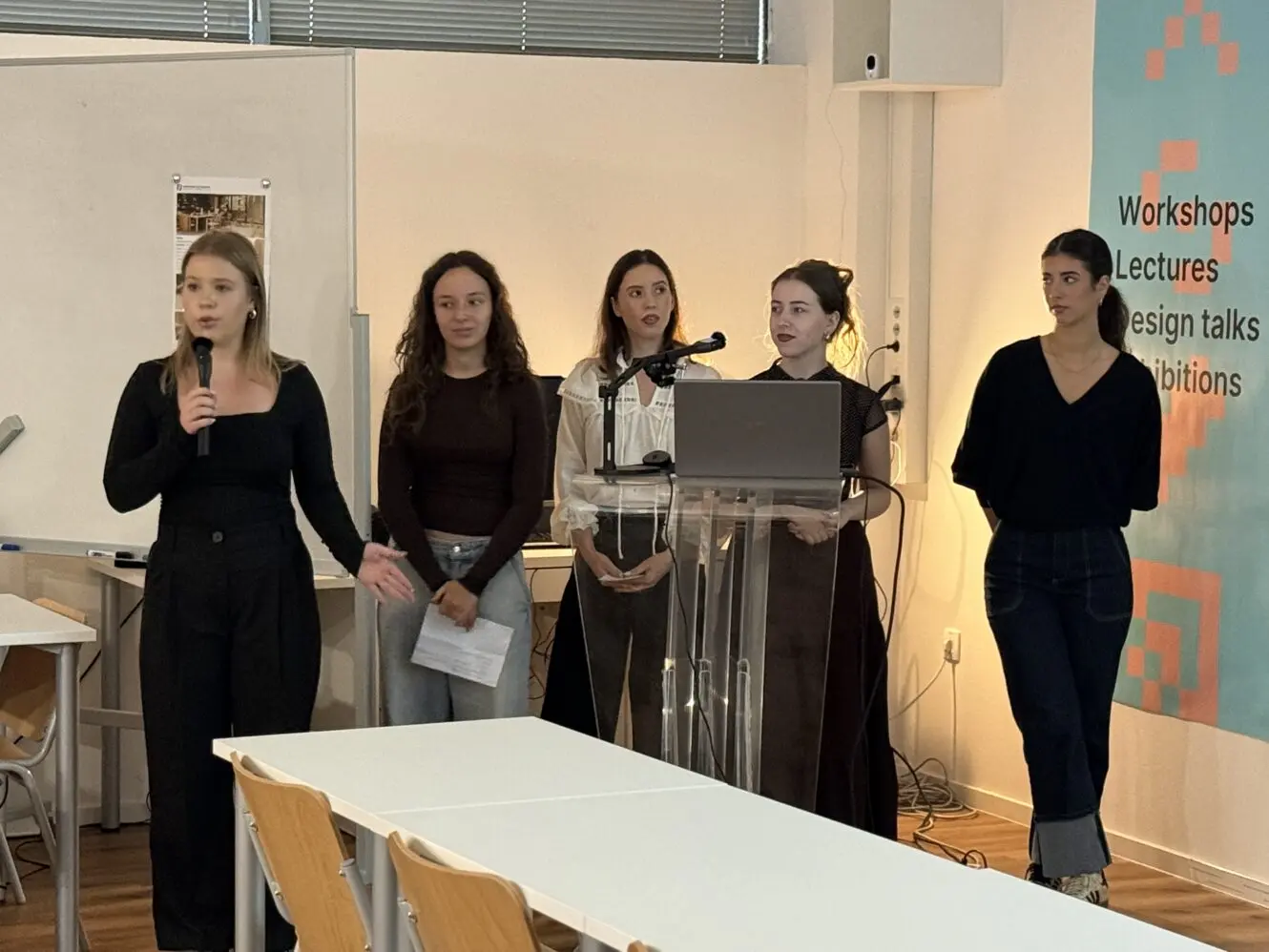
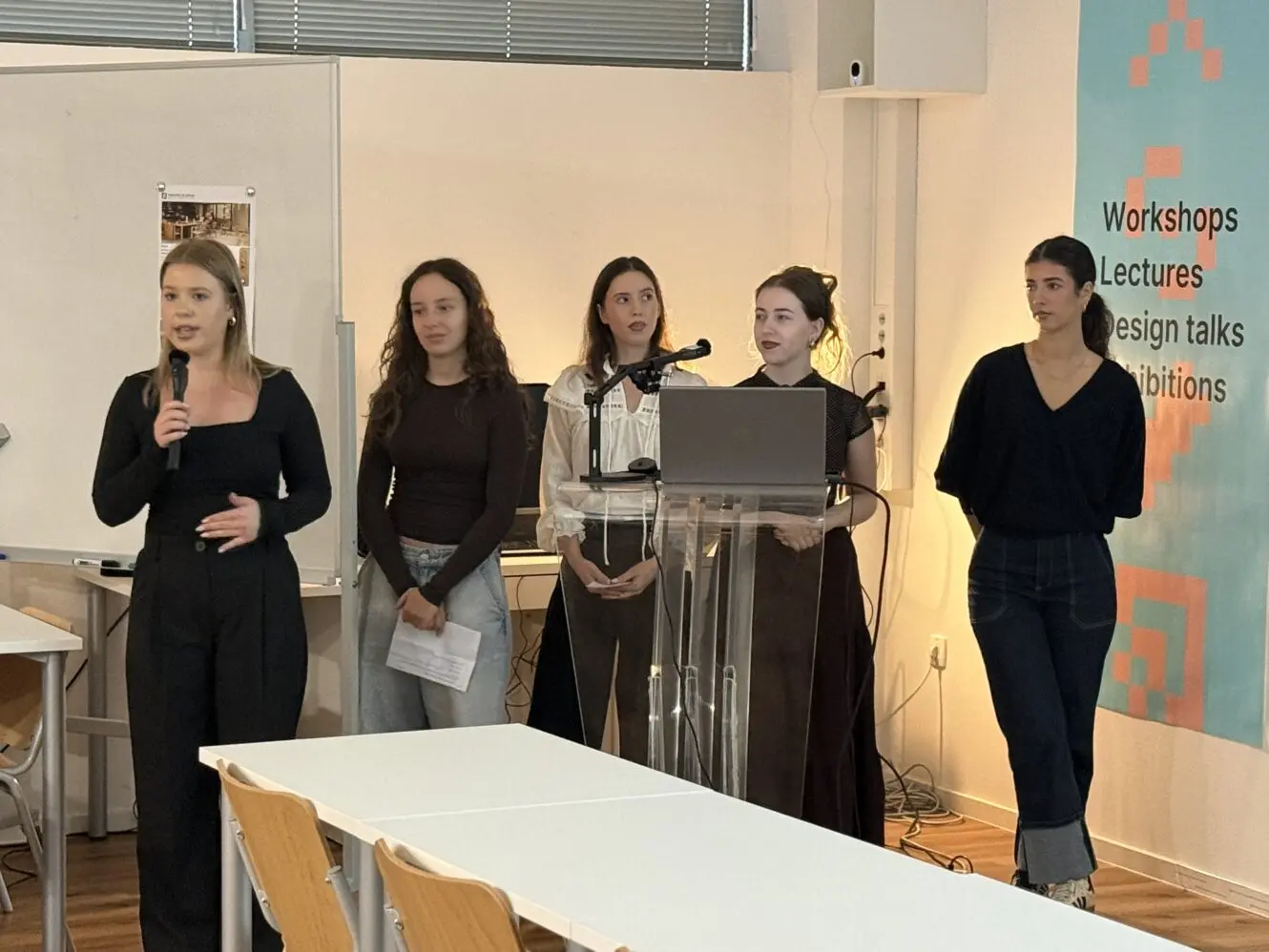
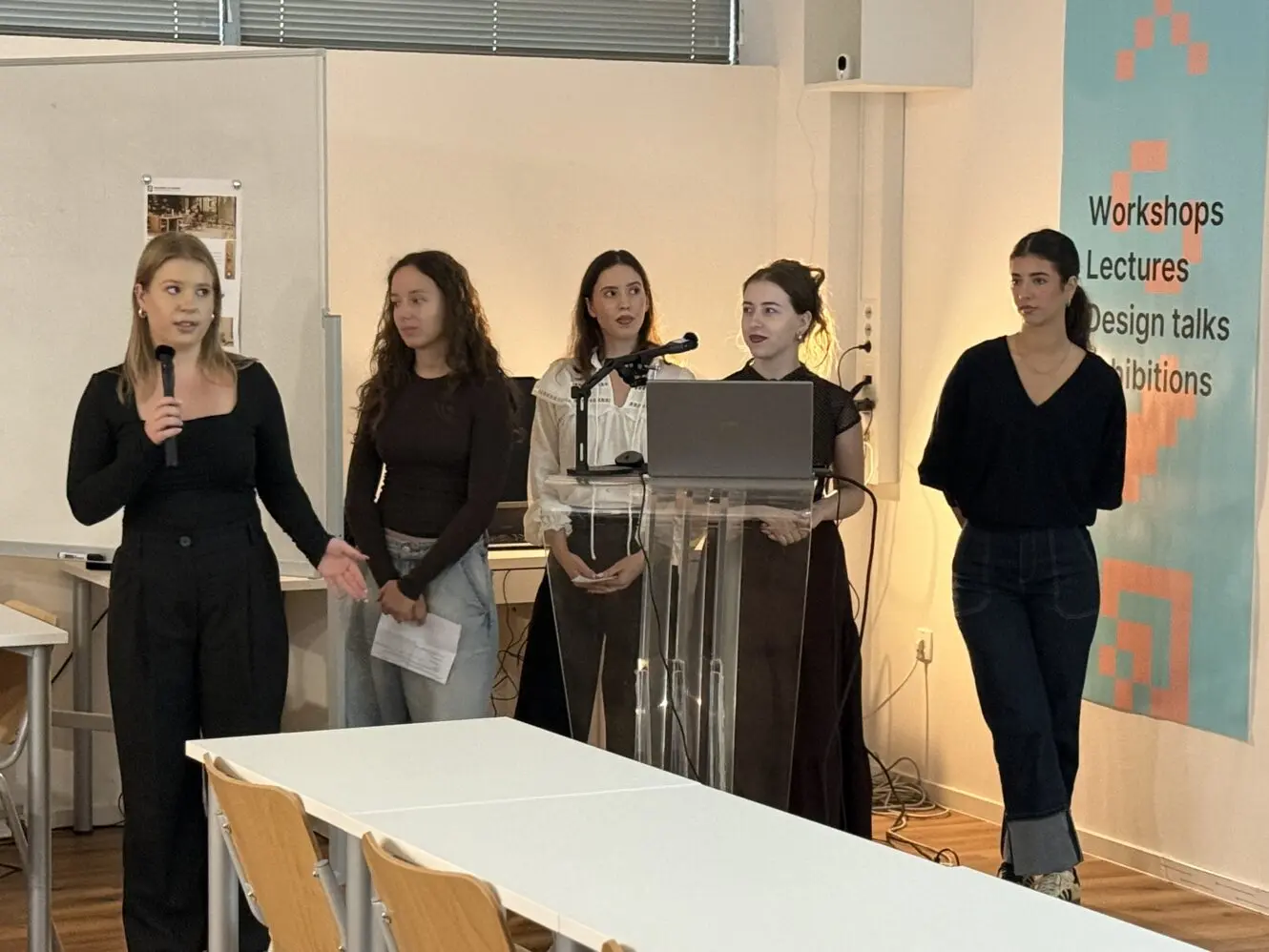
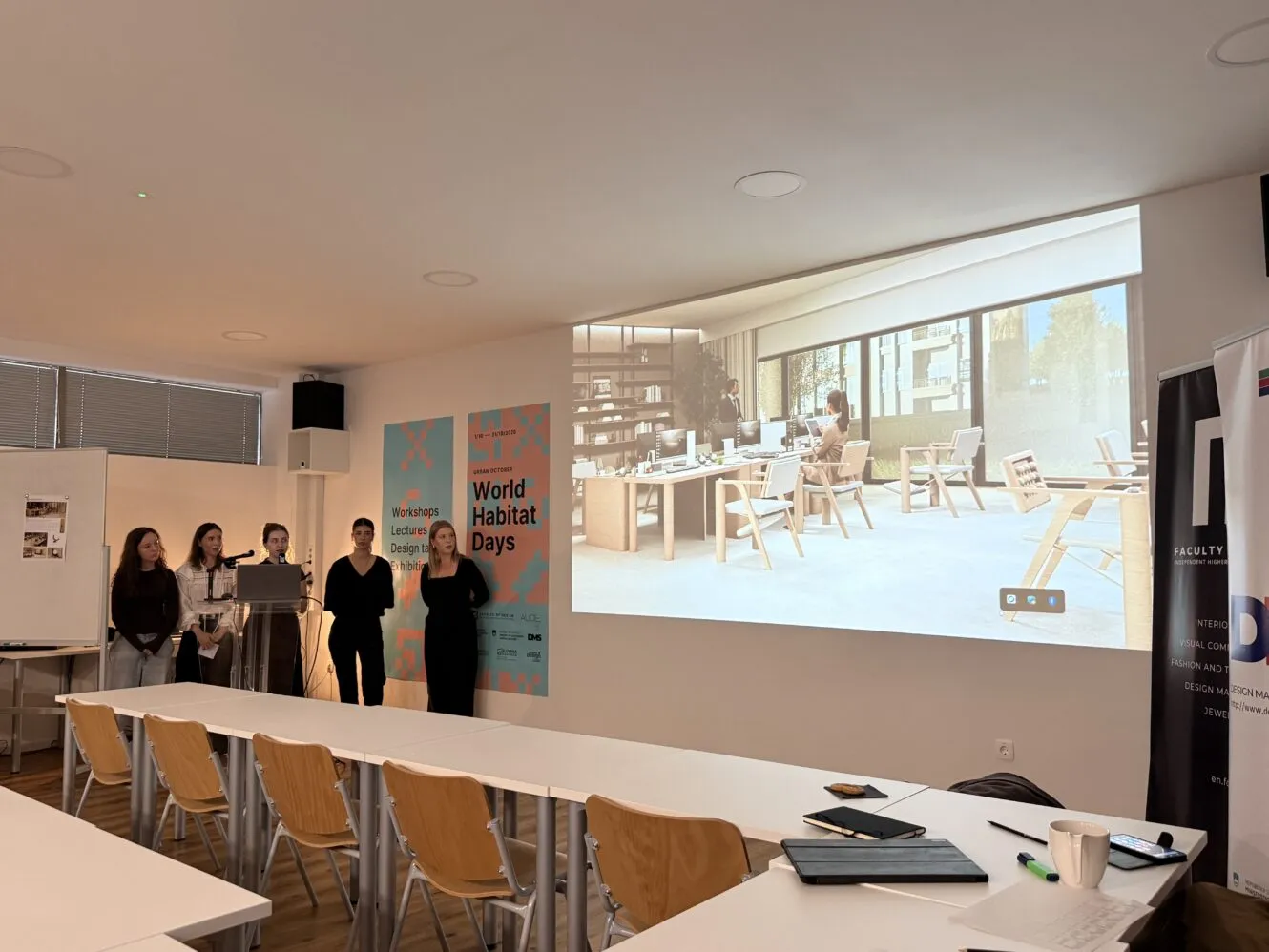
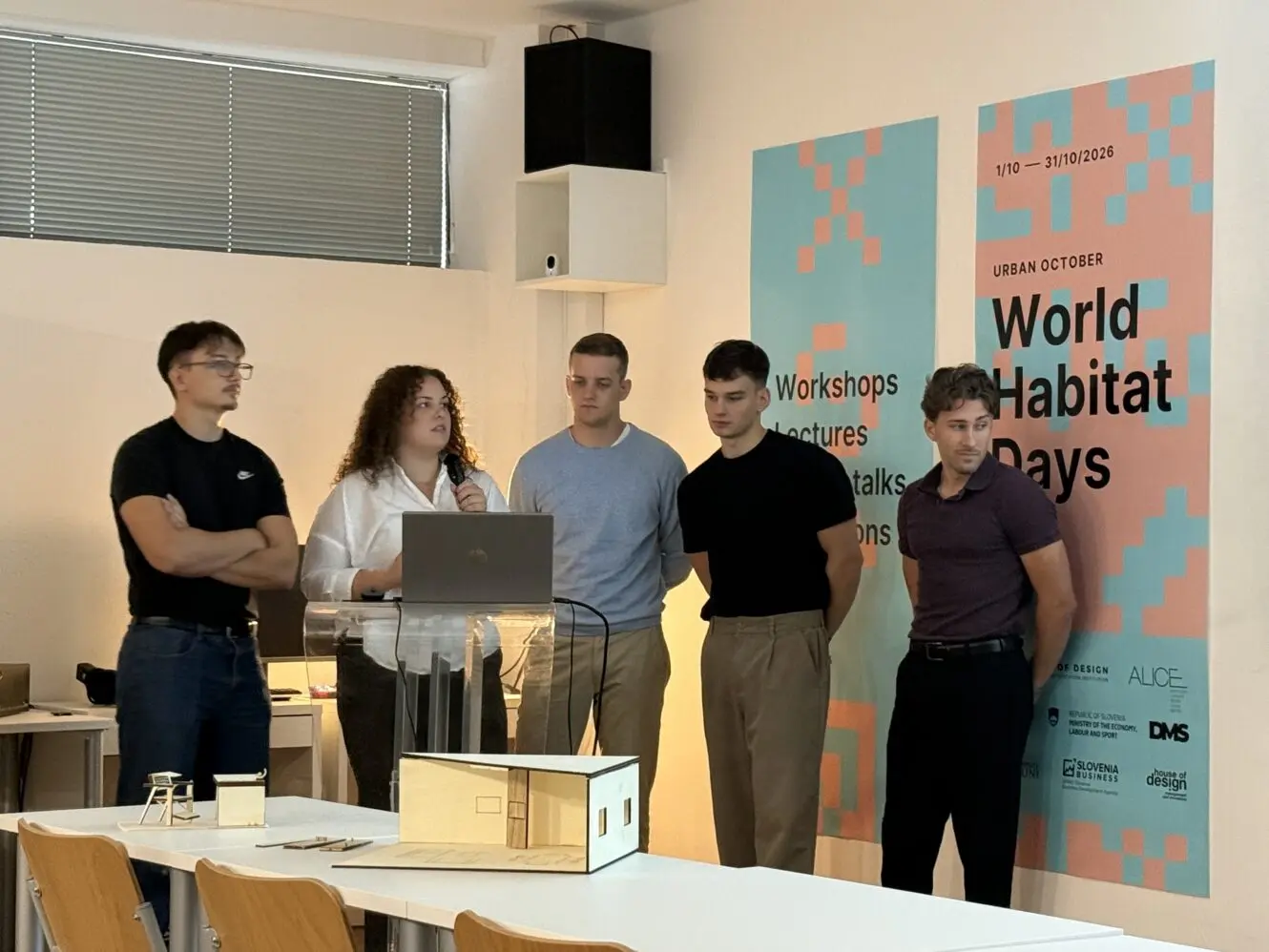
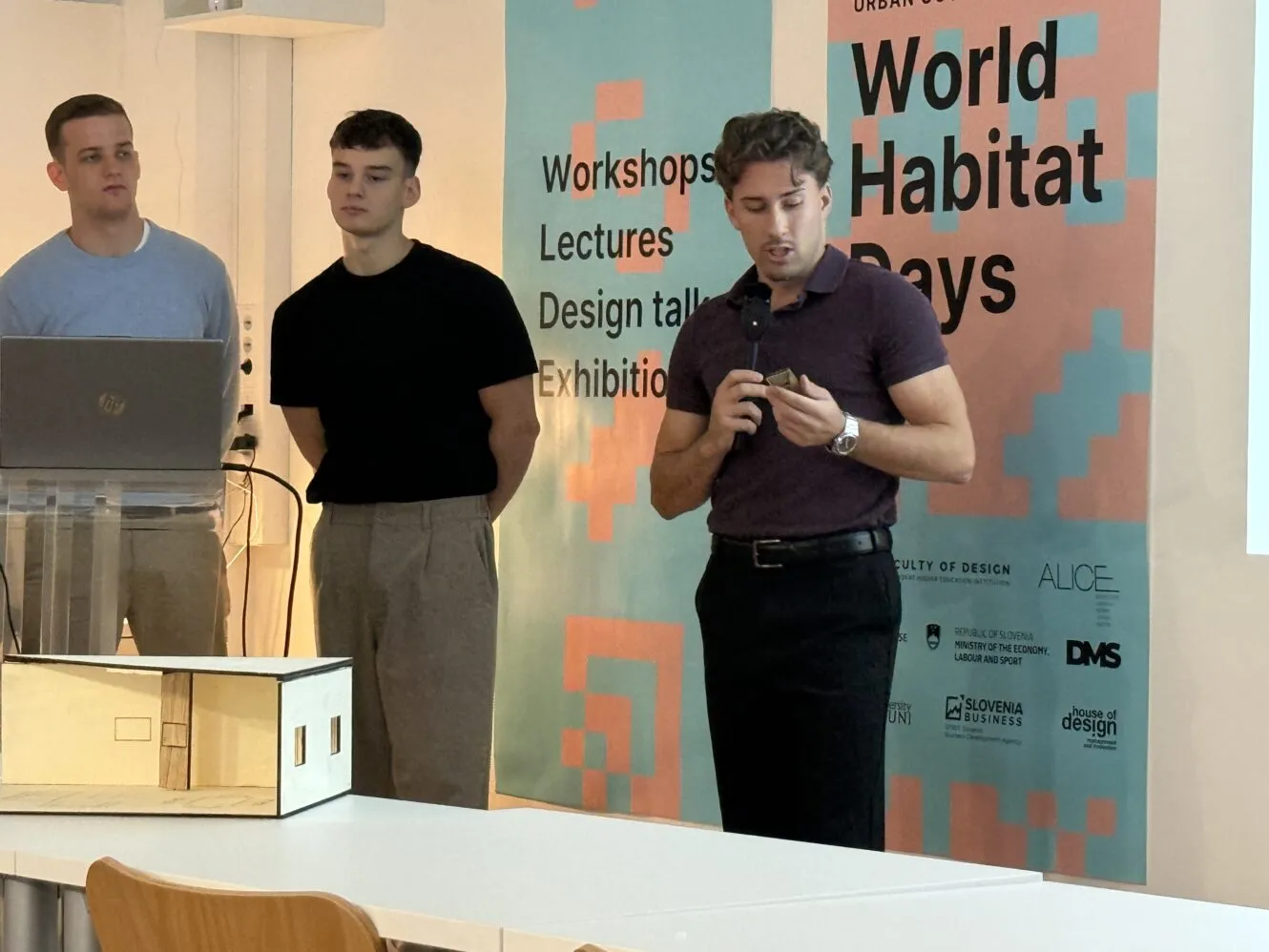
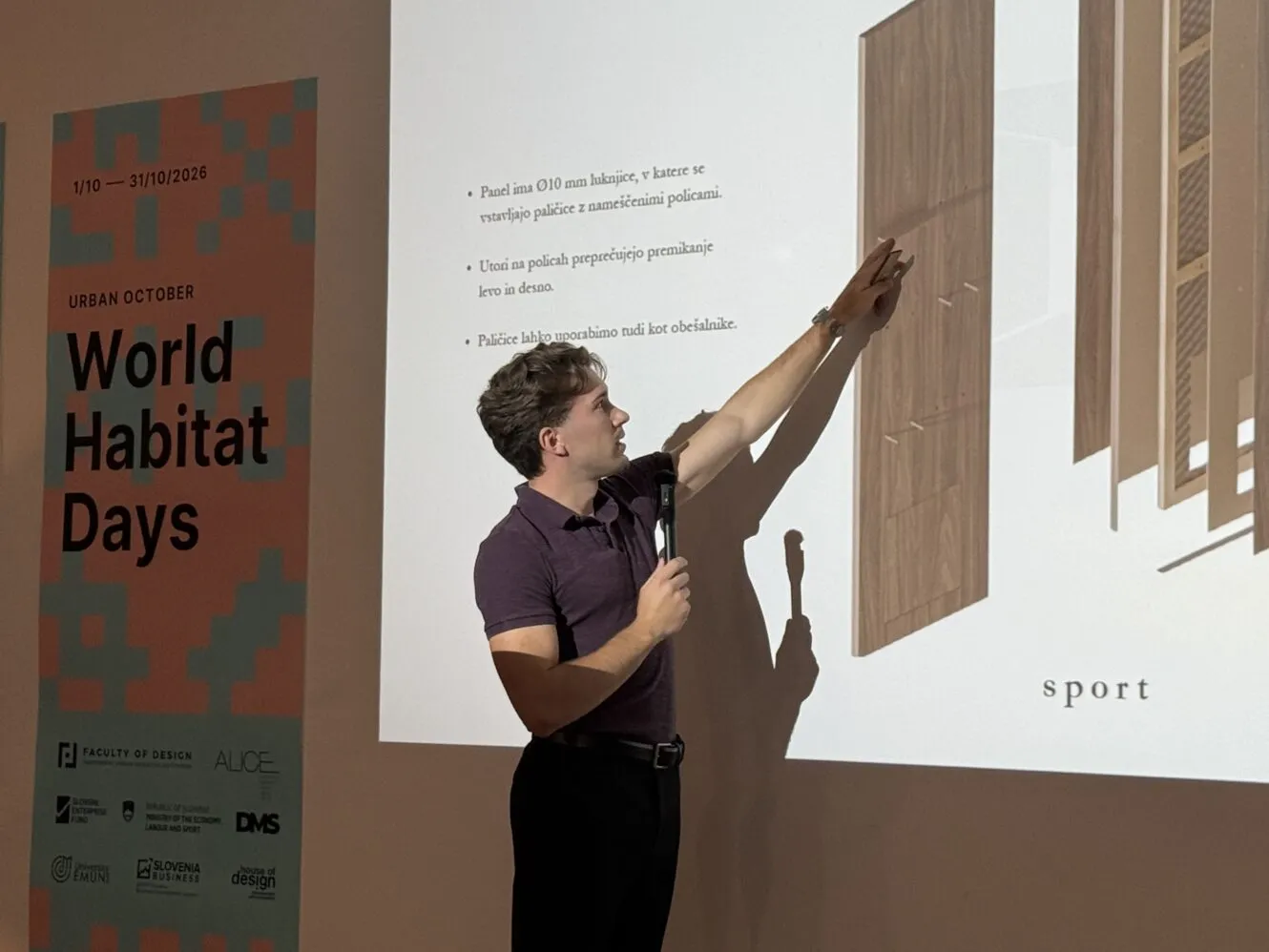
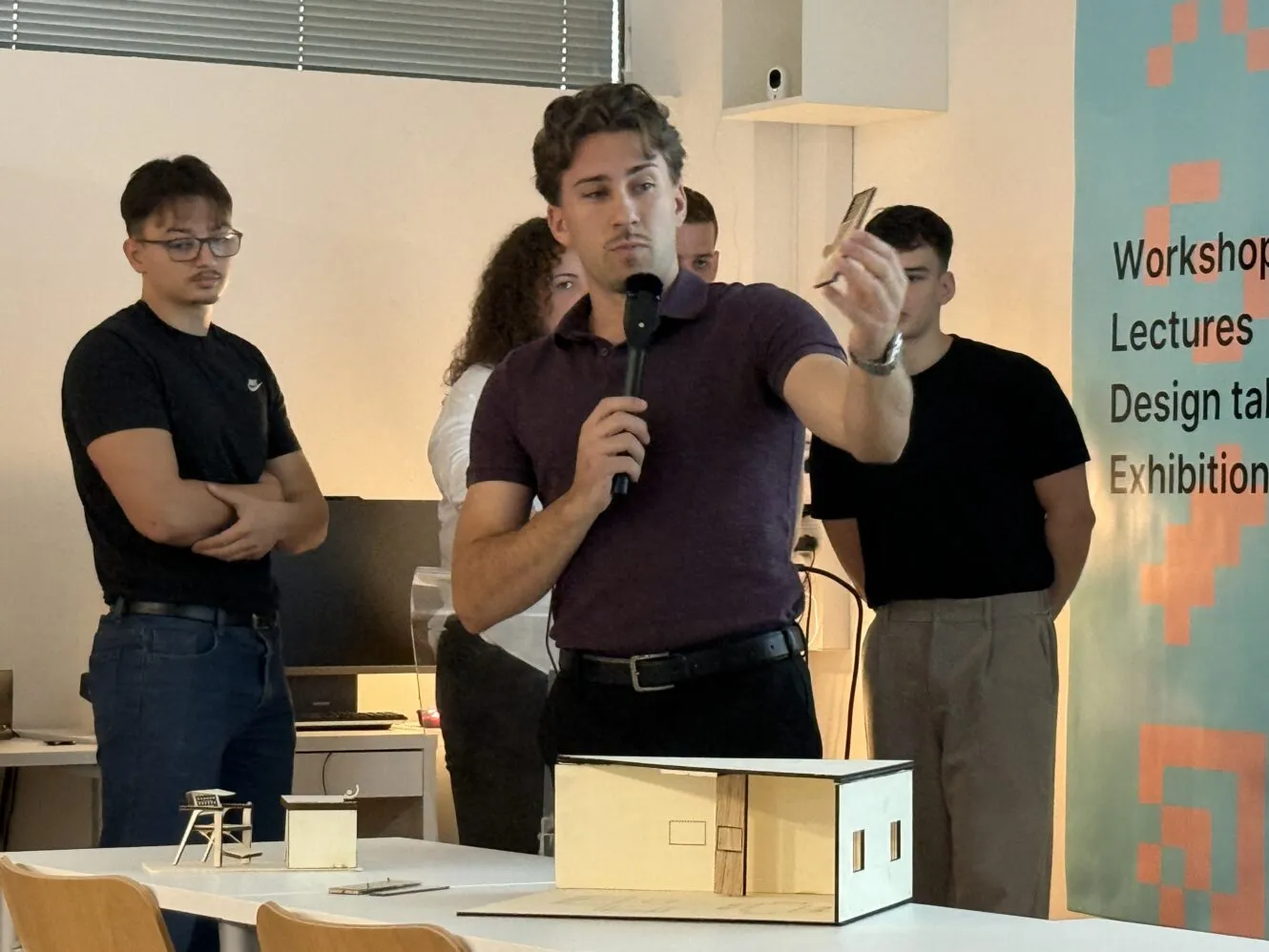
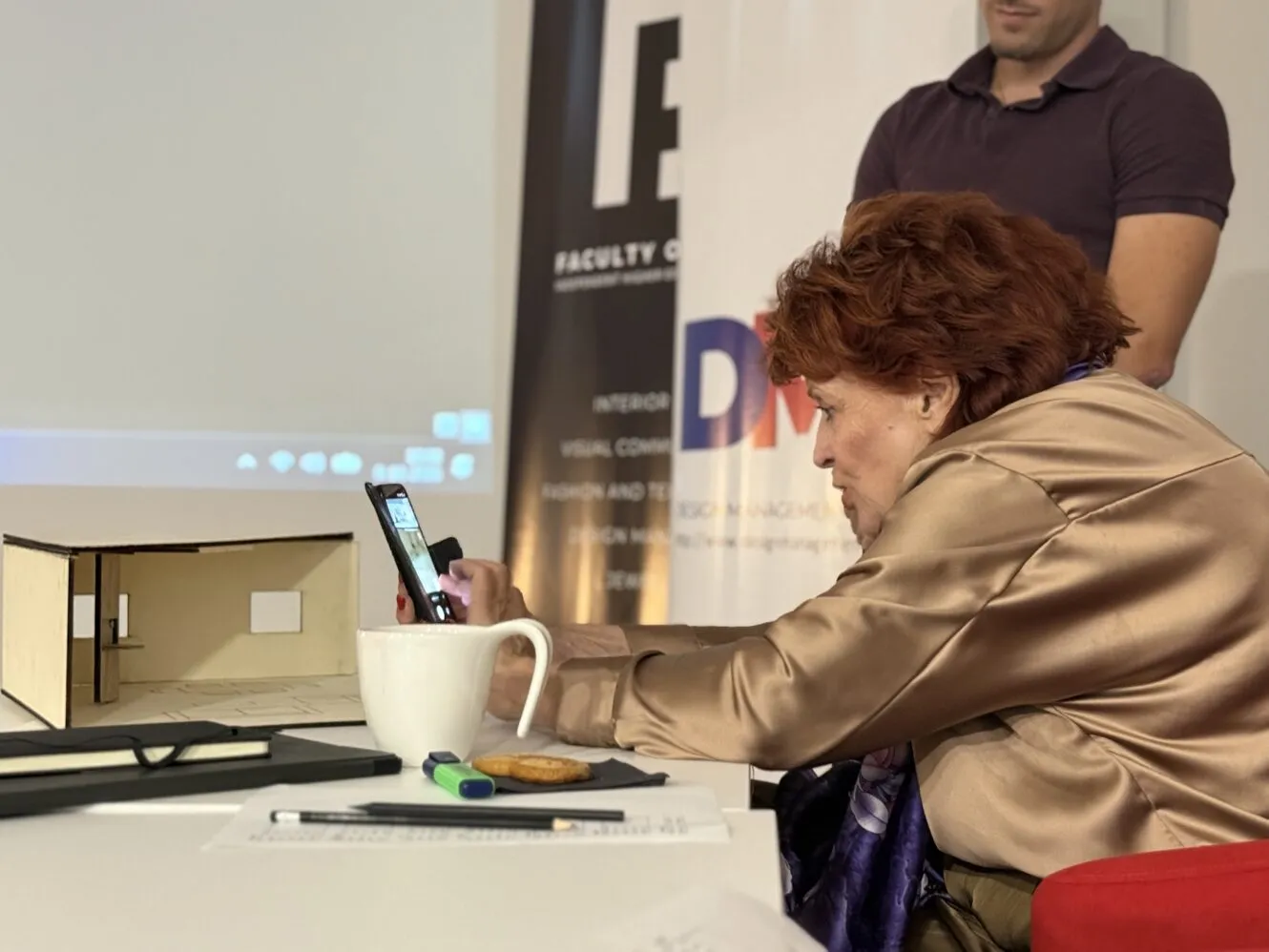
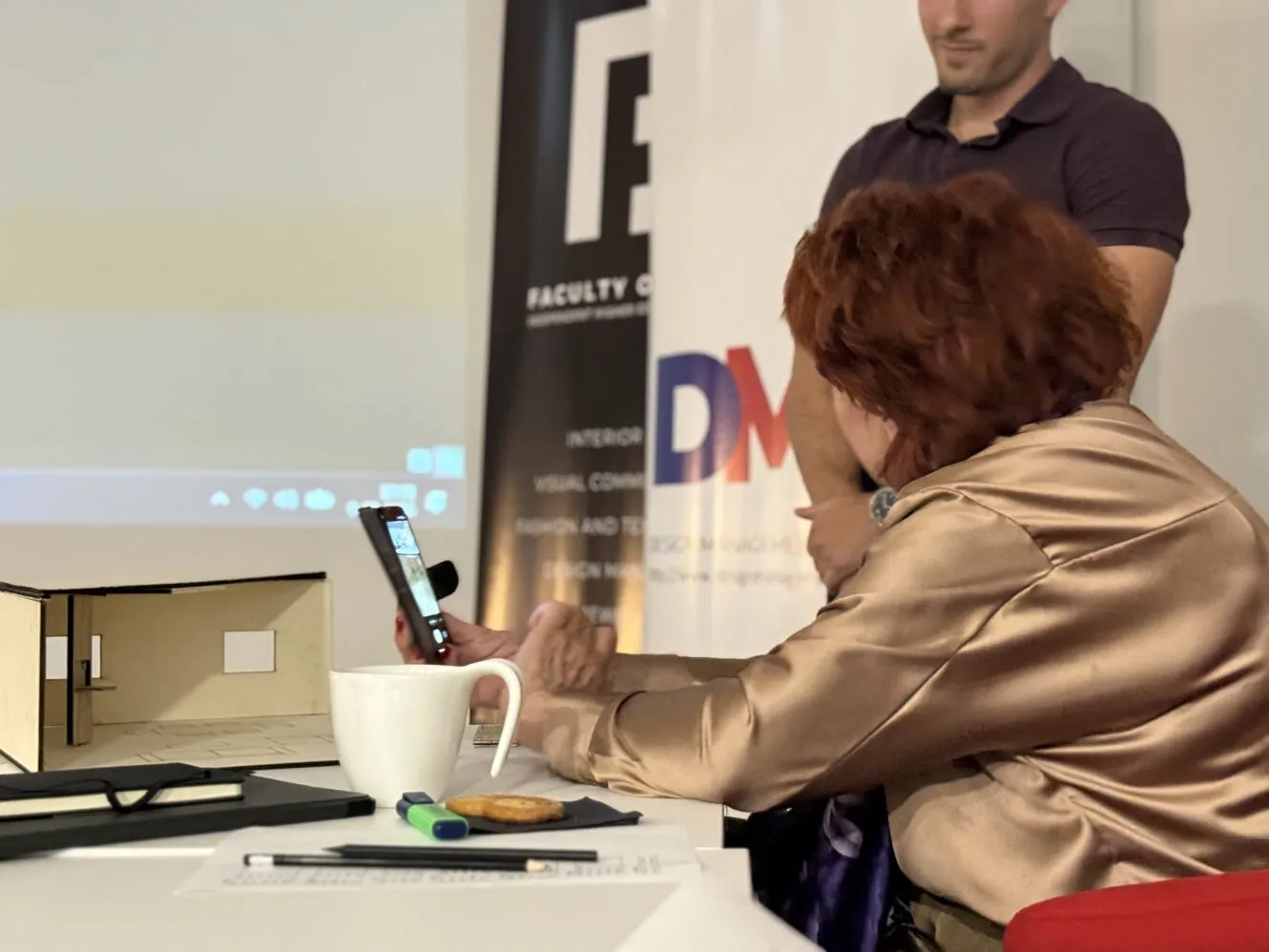
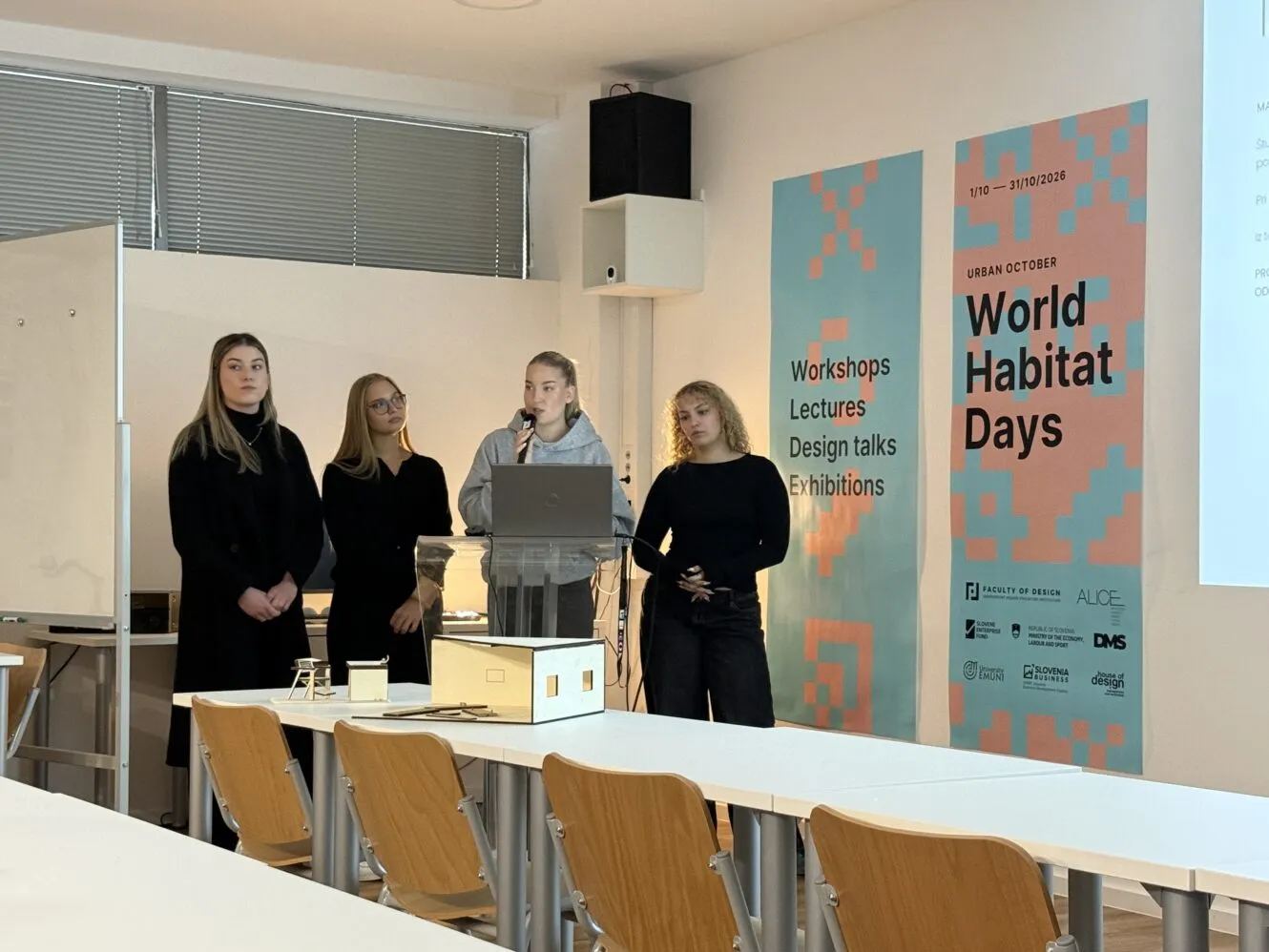
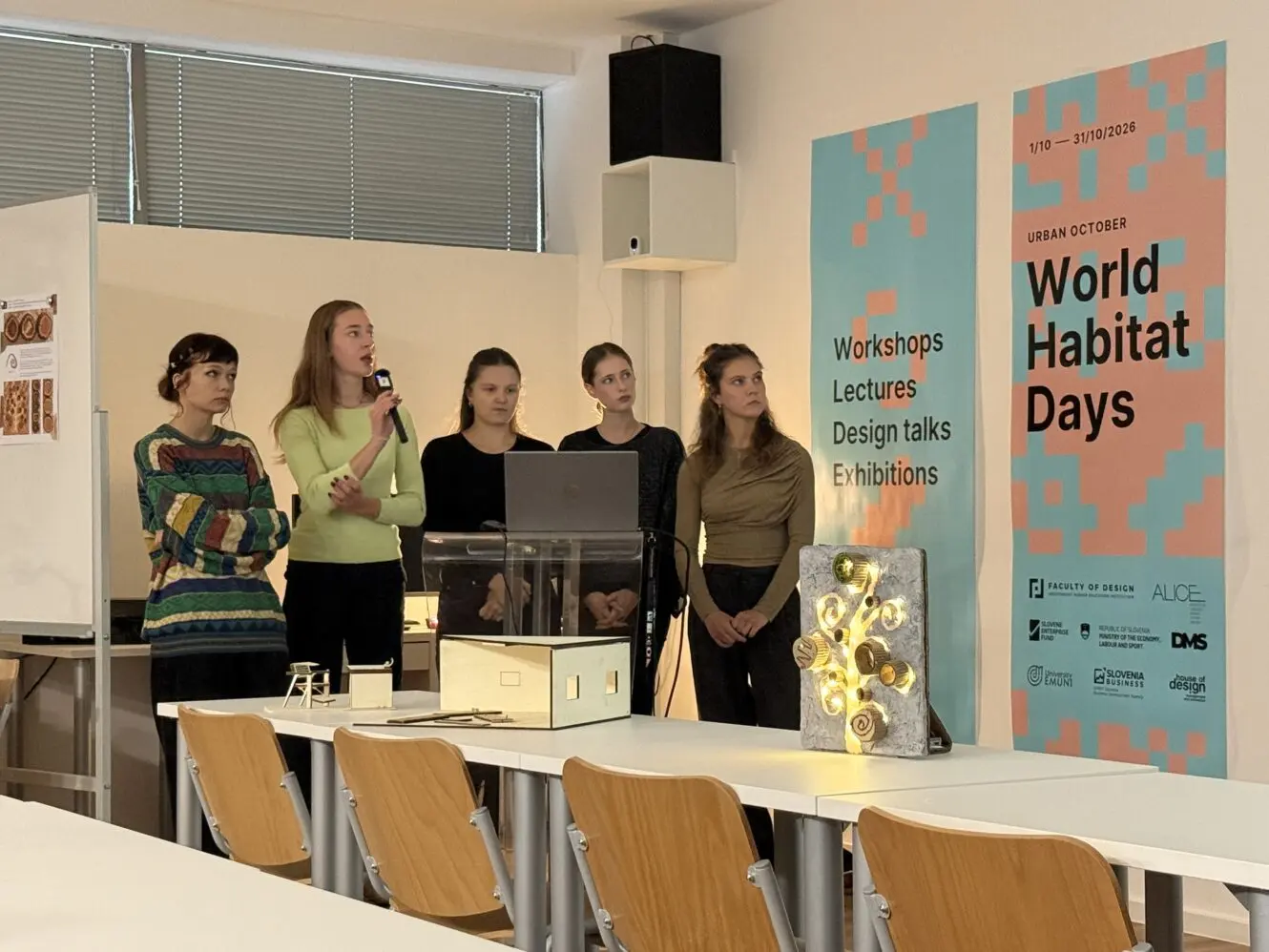
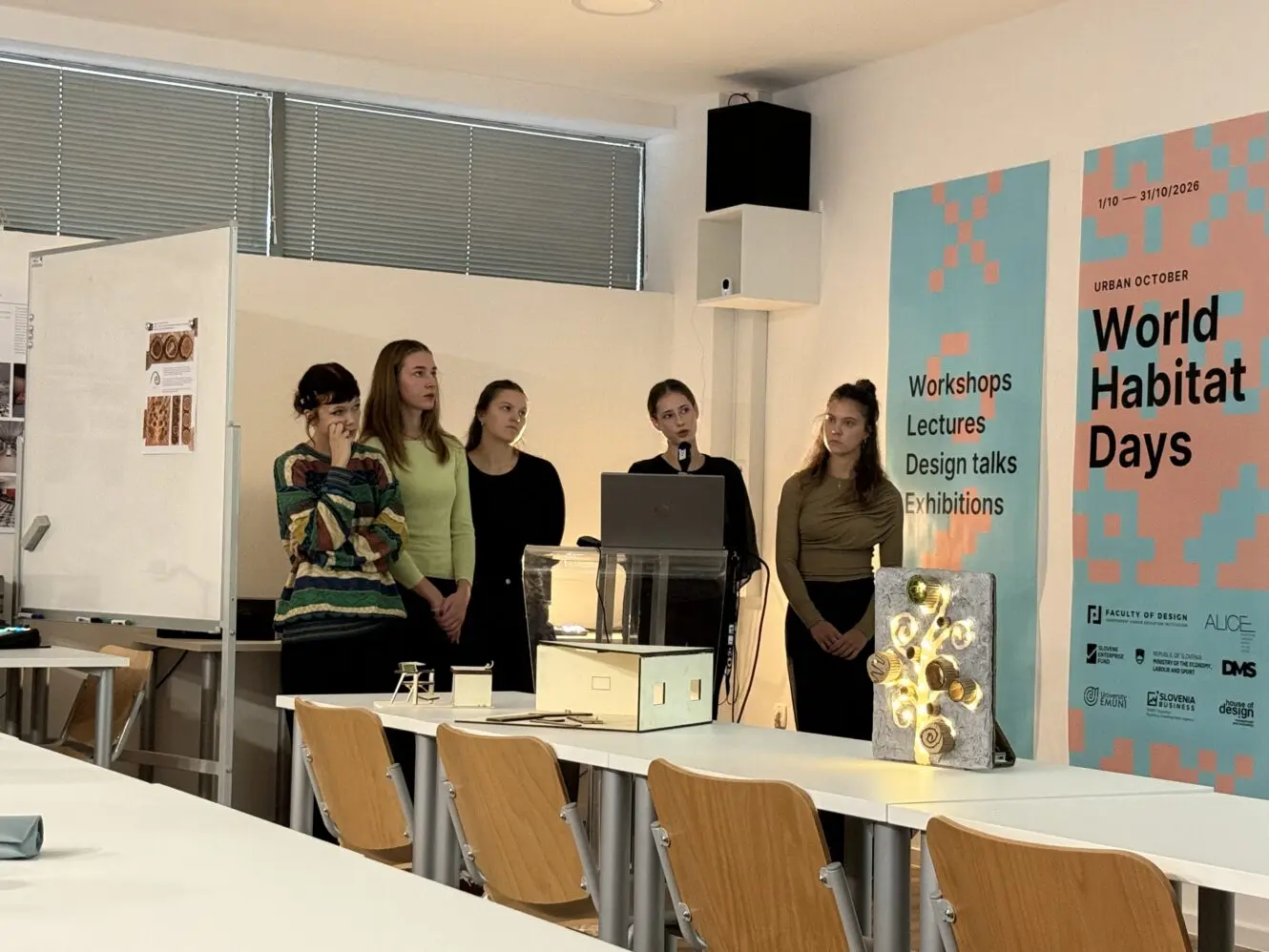
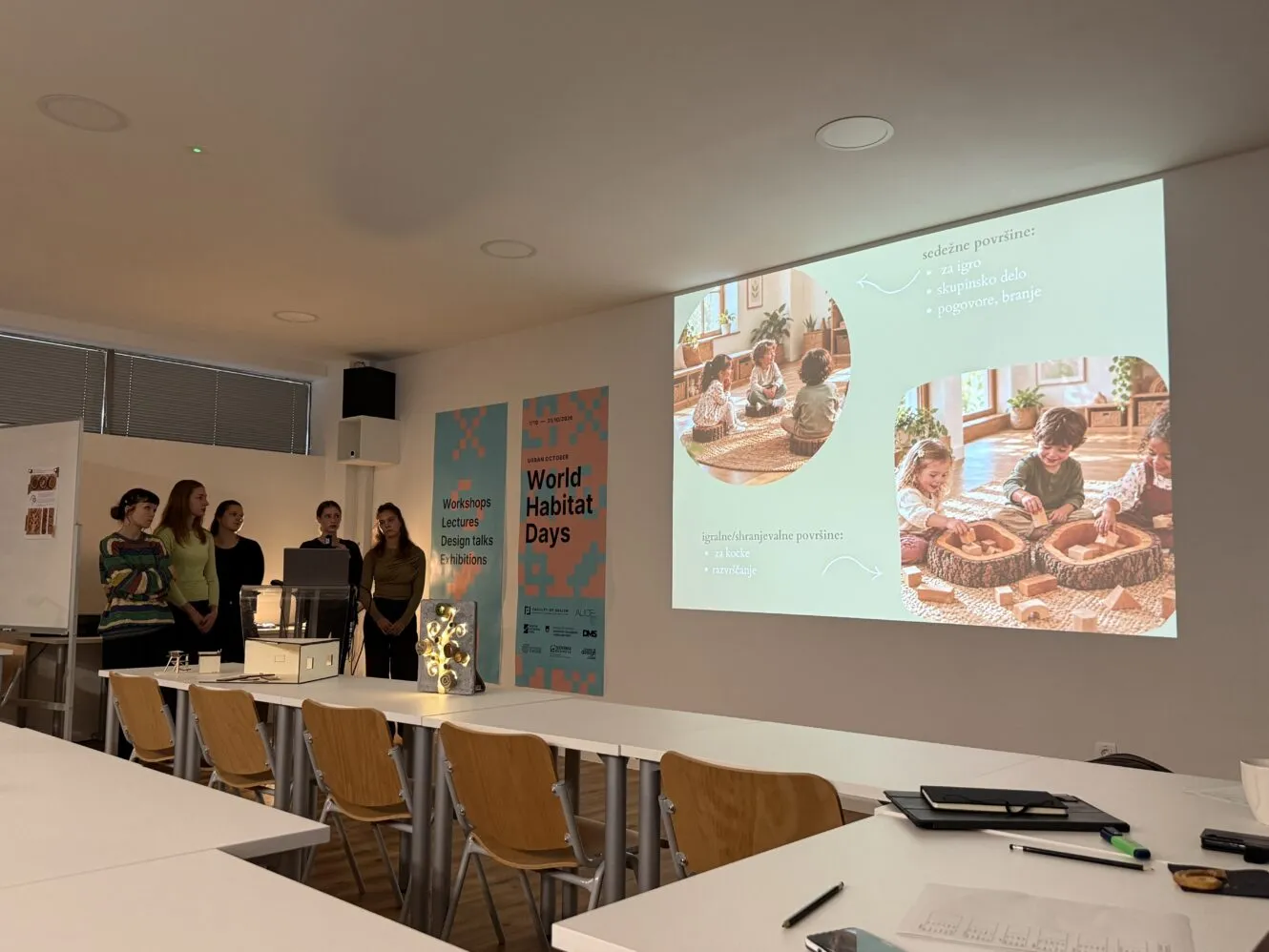
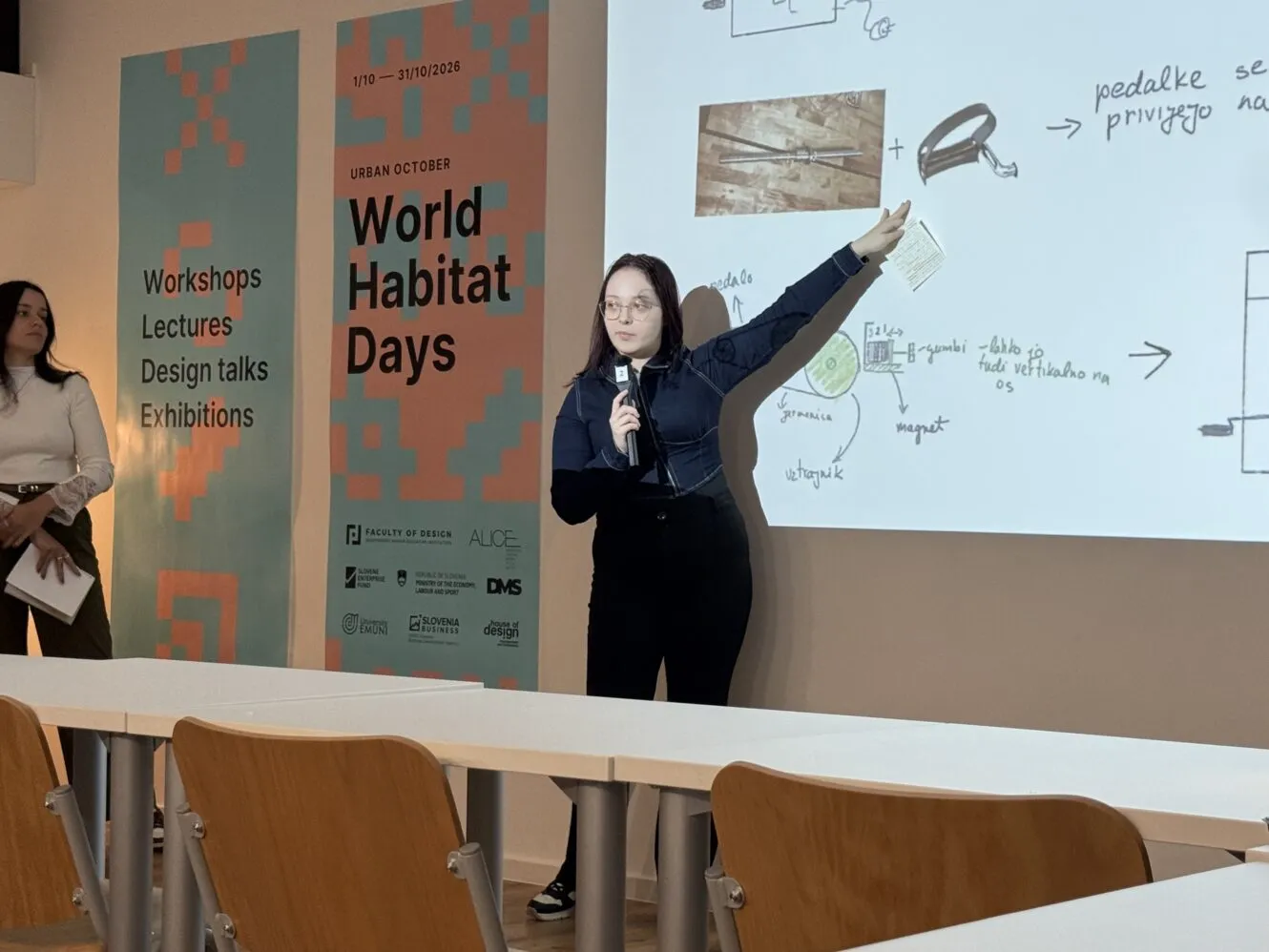
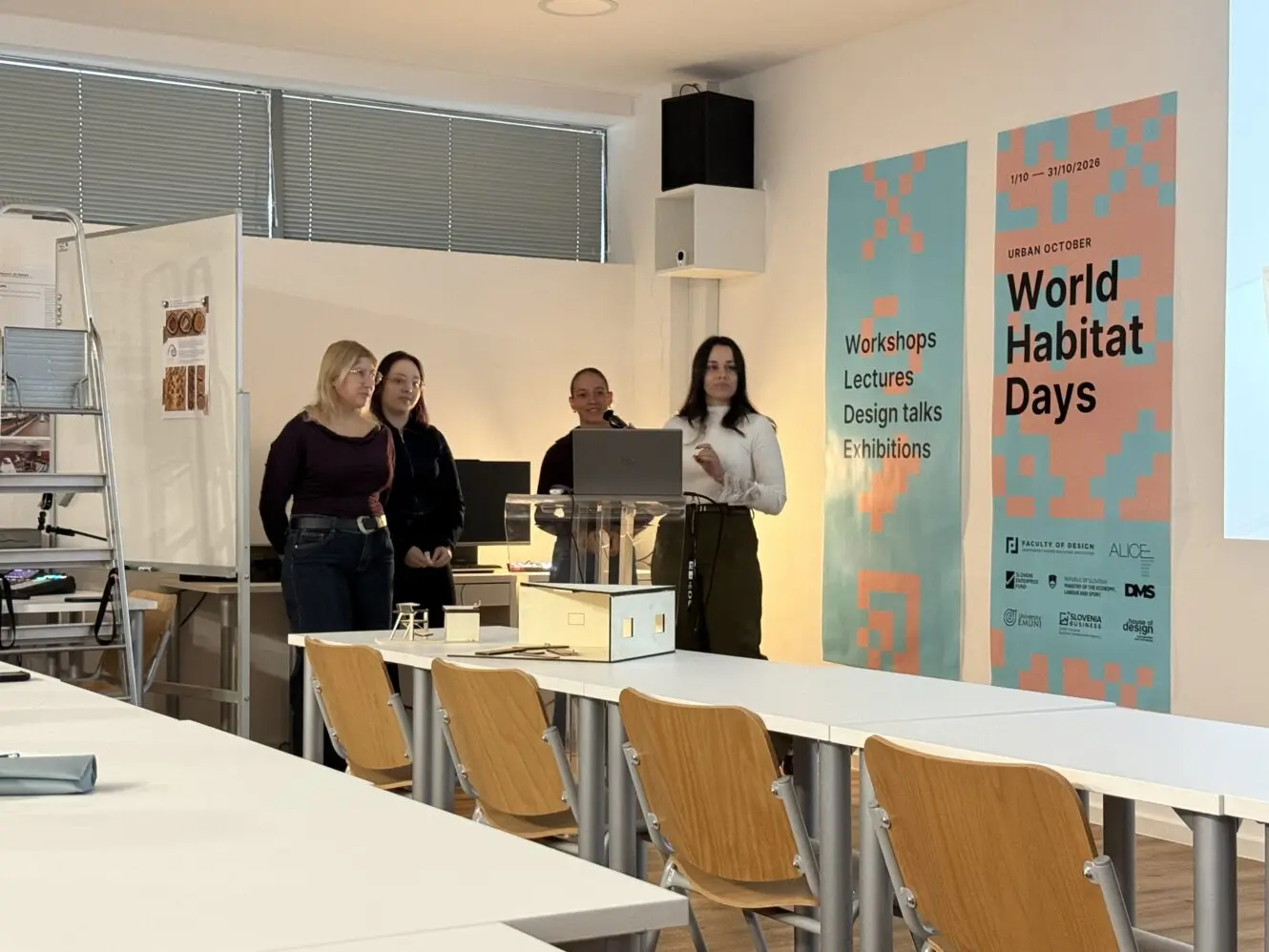
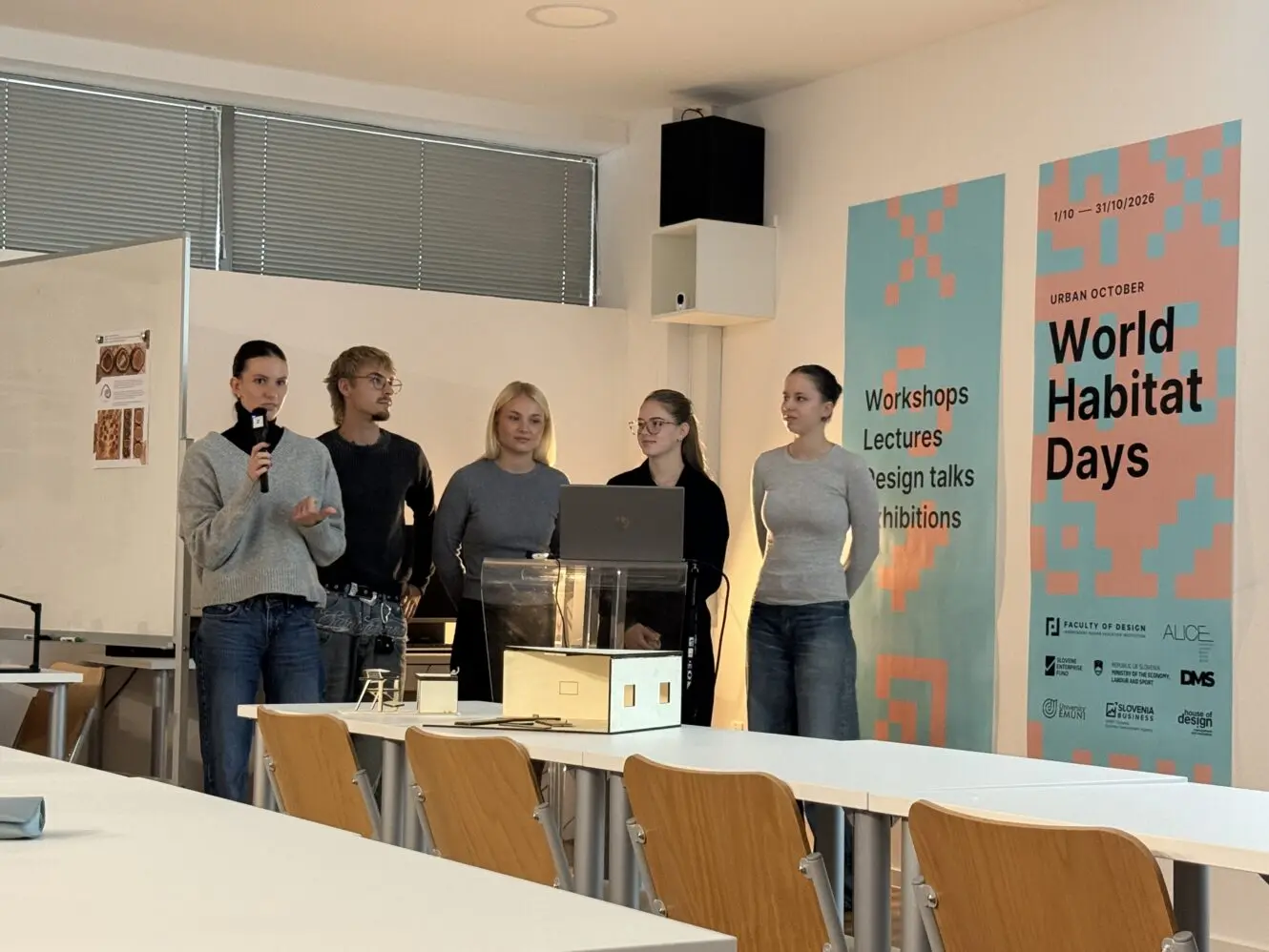
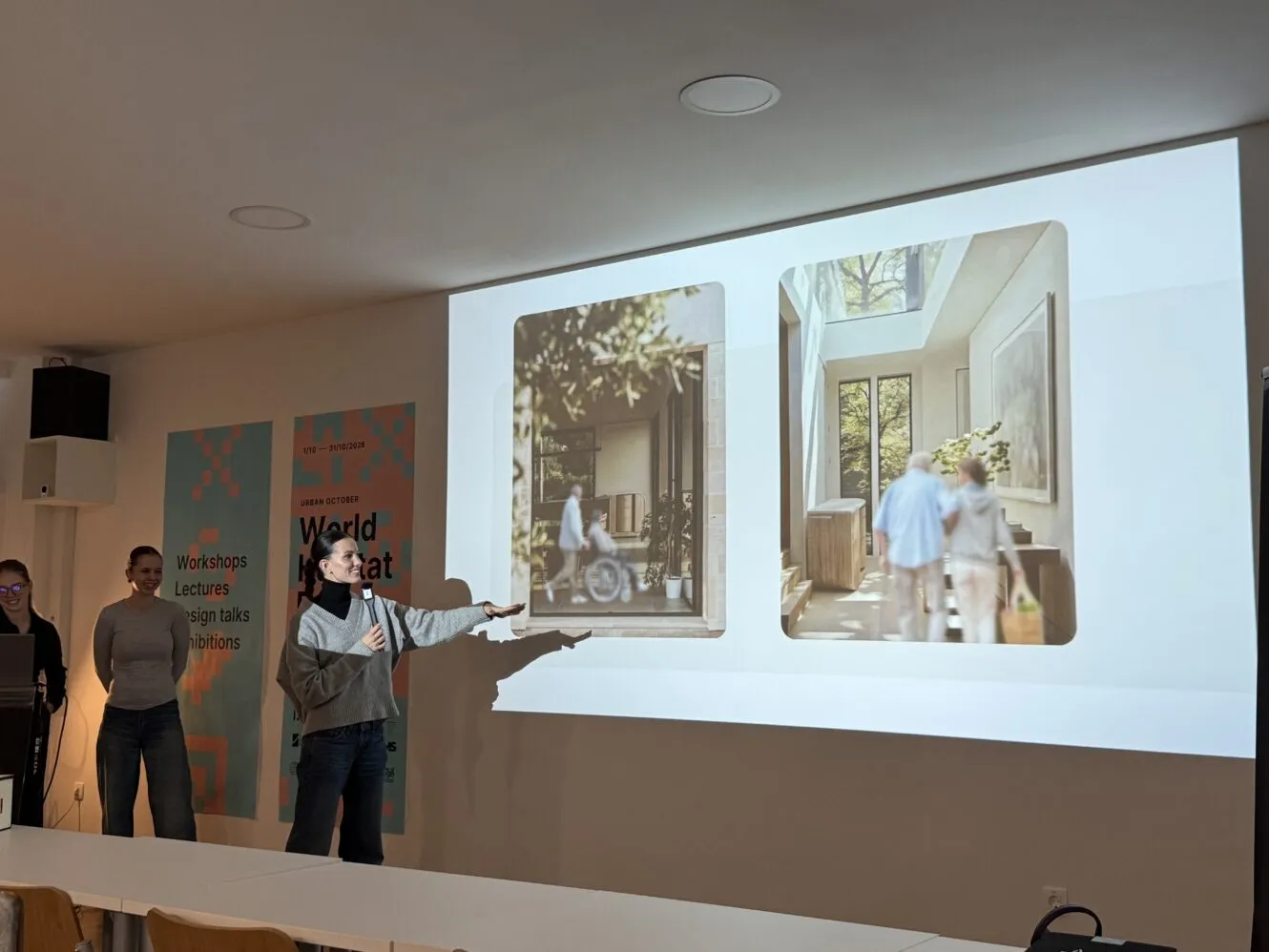
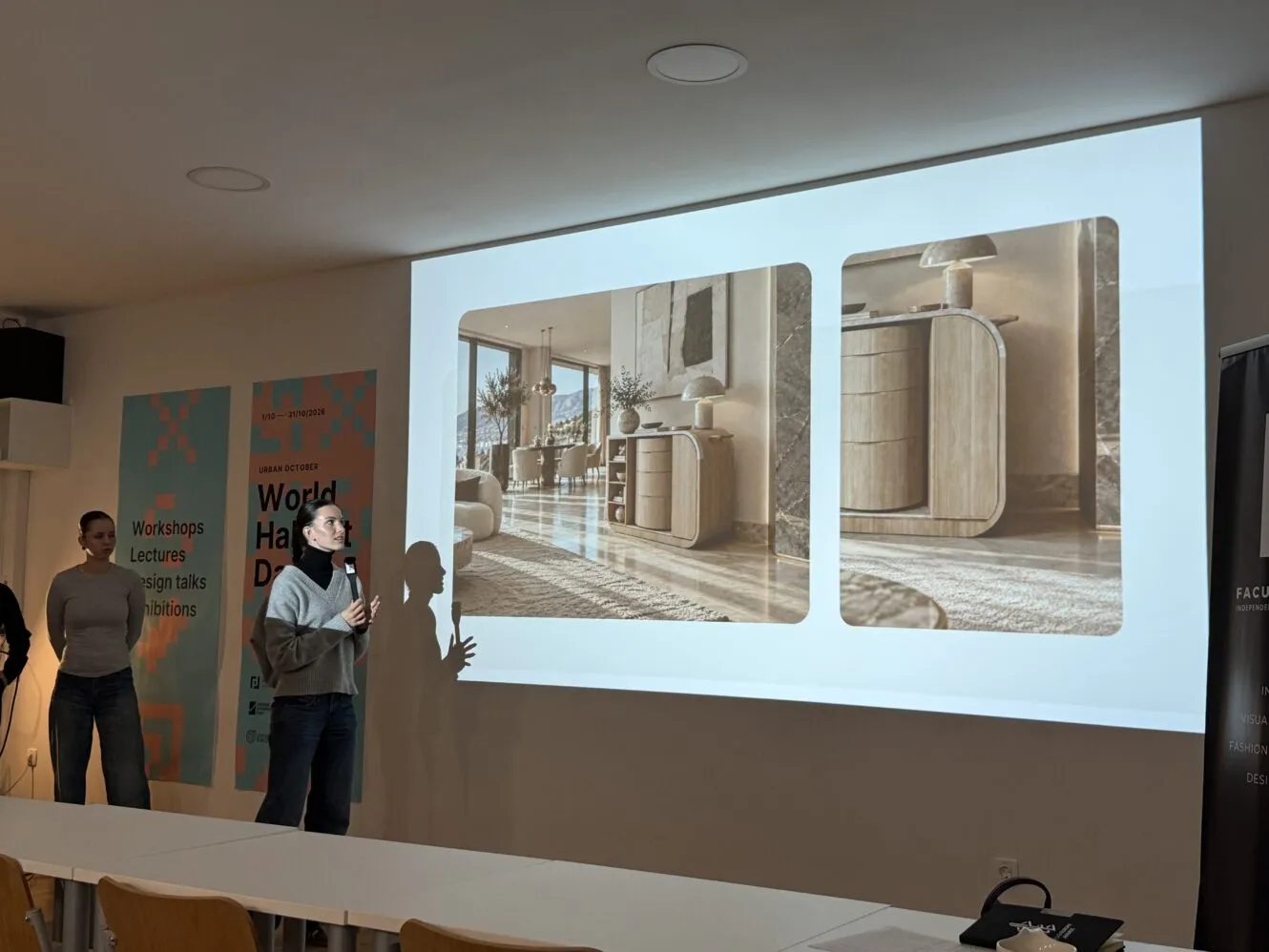
On Friday, the moment finally arrived for students to bring everything together in their final presentations, or pitches, explaining what they had created, who their solutions were intended for and how they could work in practice.
And we have to admit – we were genuinely impressed!
From a Massage Office Chair to a Multisensory Wall
So, what did our students come up with?
Among the concepts presented was an office chair with a massage function integrated into its backrest, exploring ways to improve comfort during prolonged sitting.
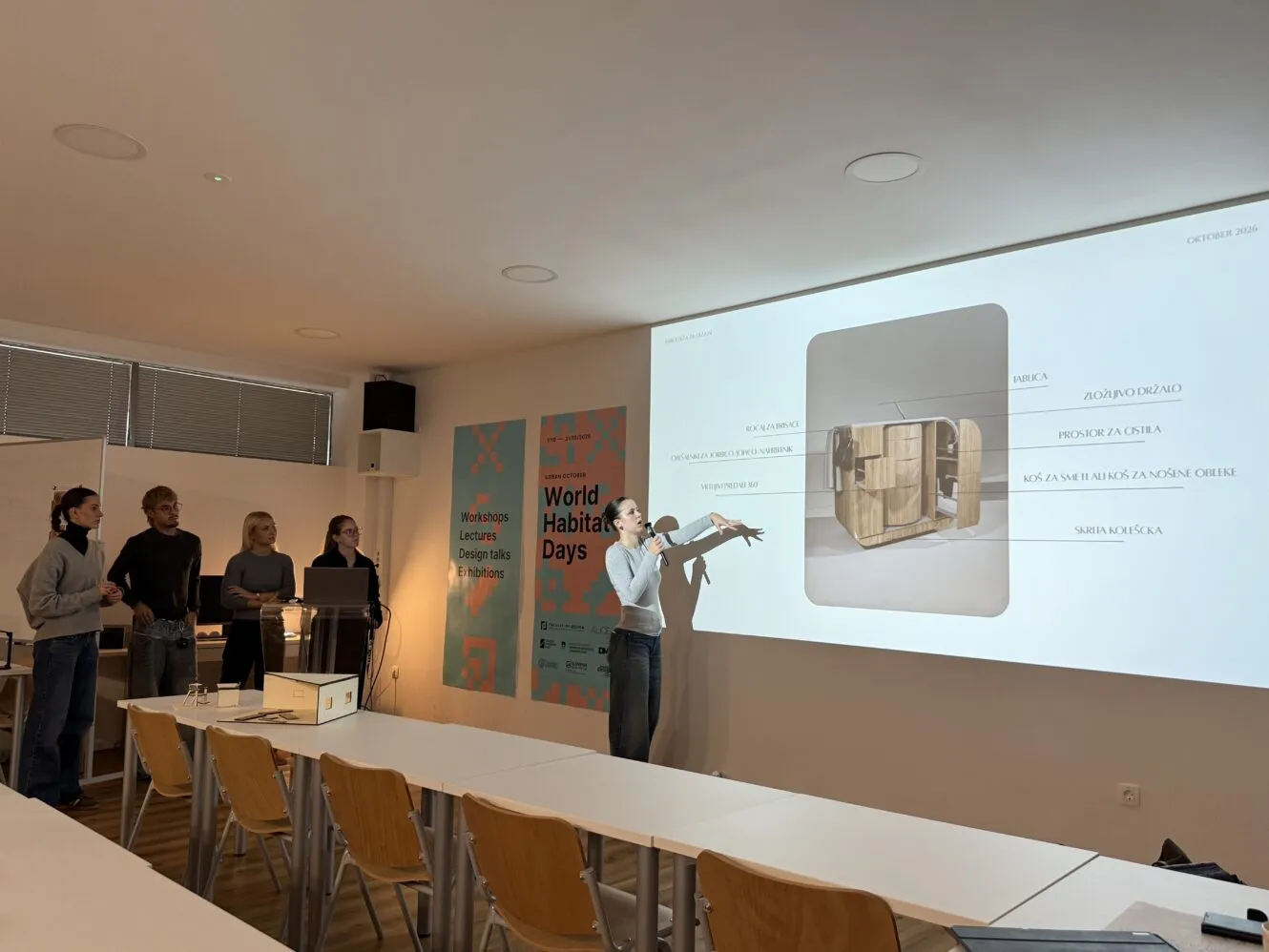
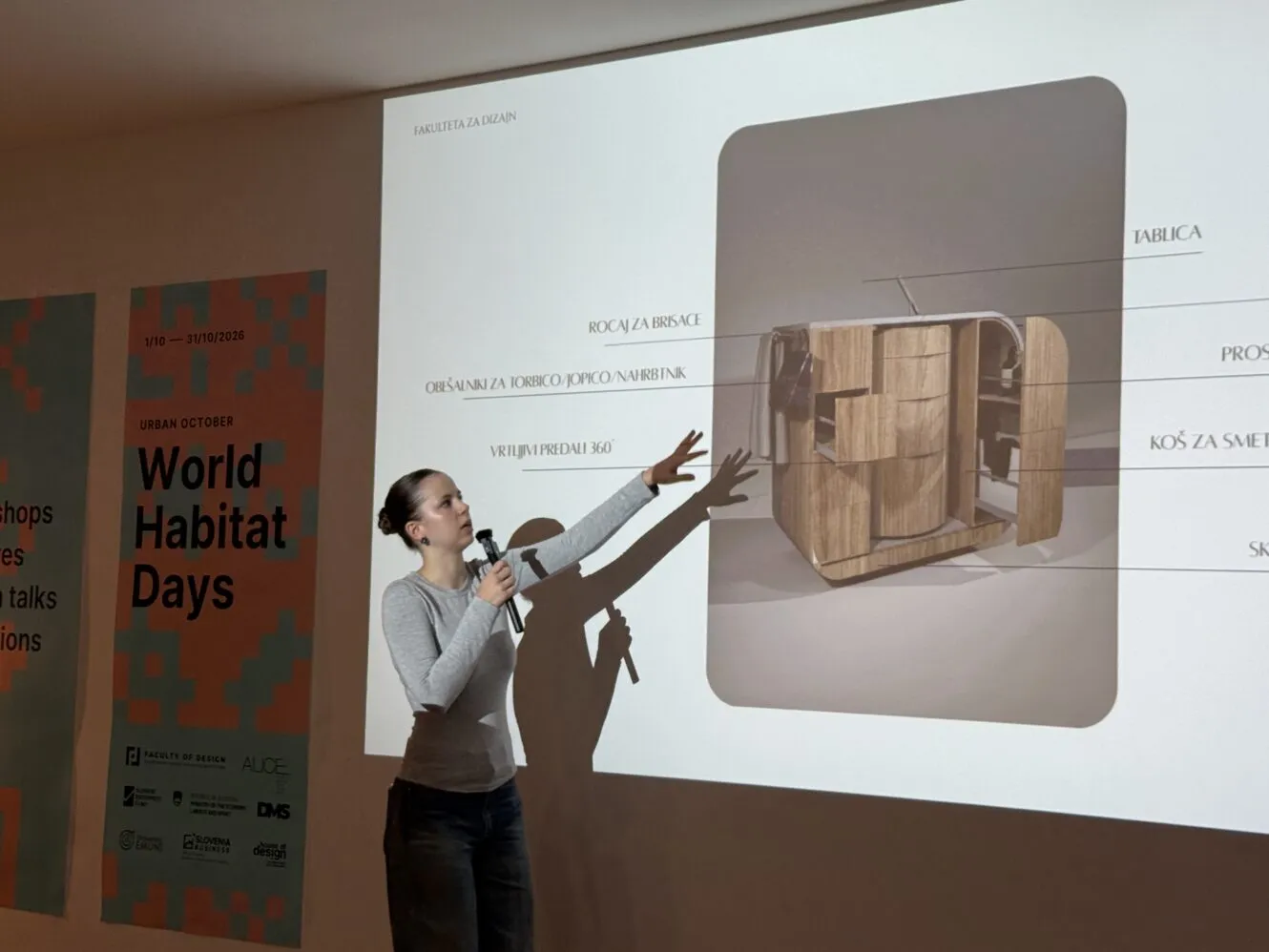
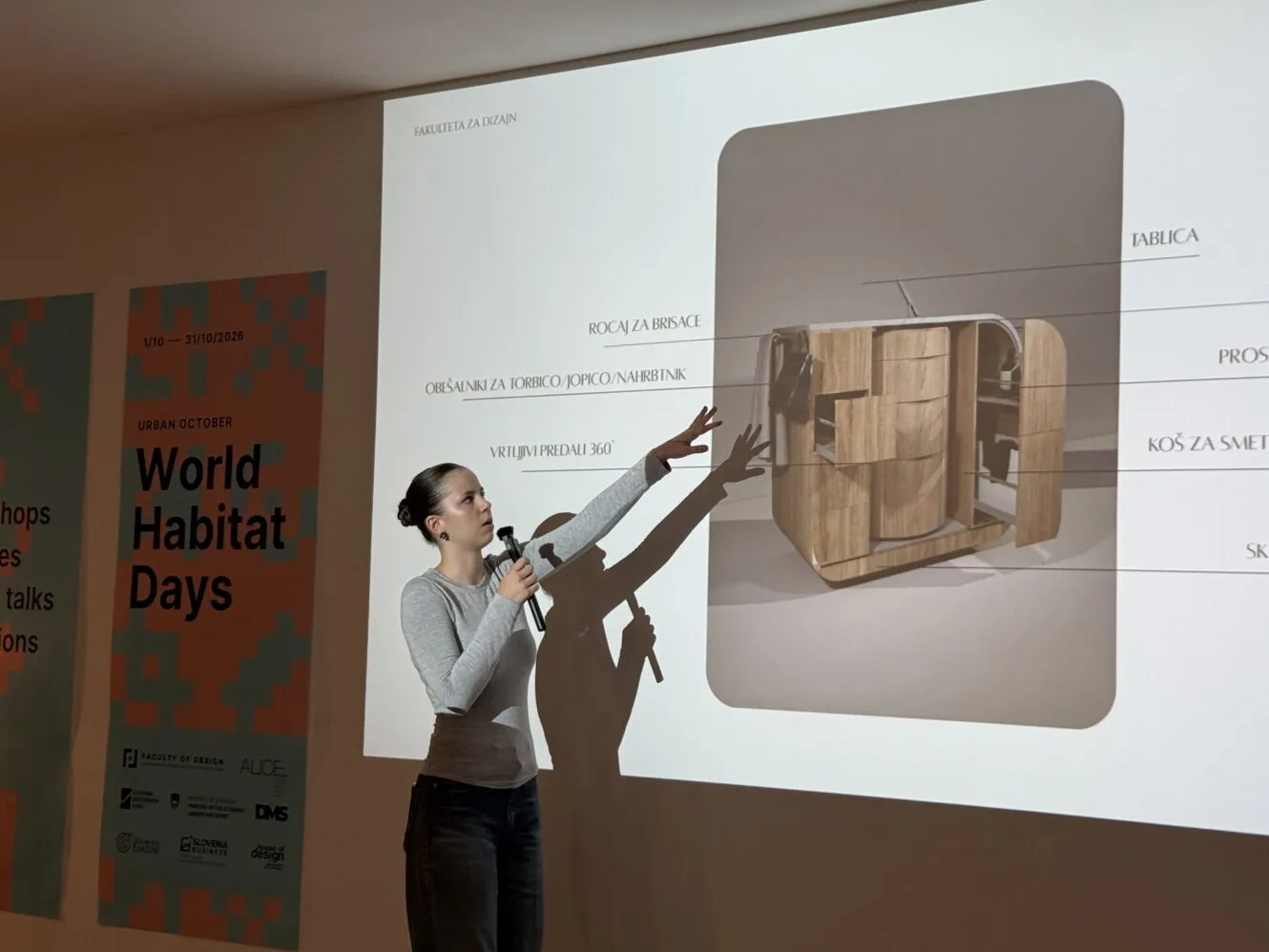
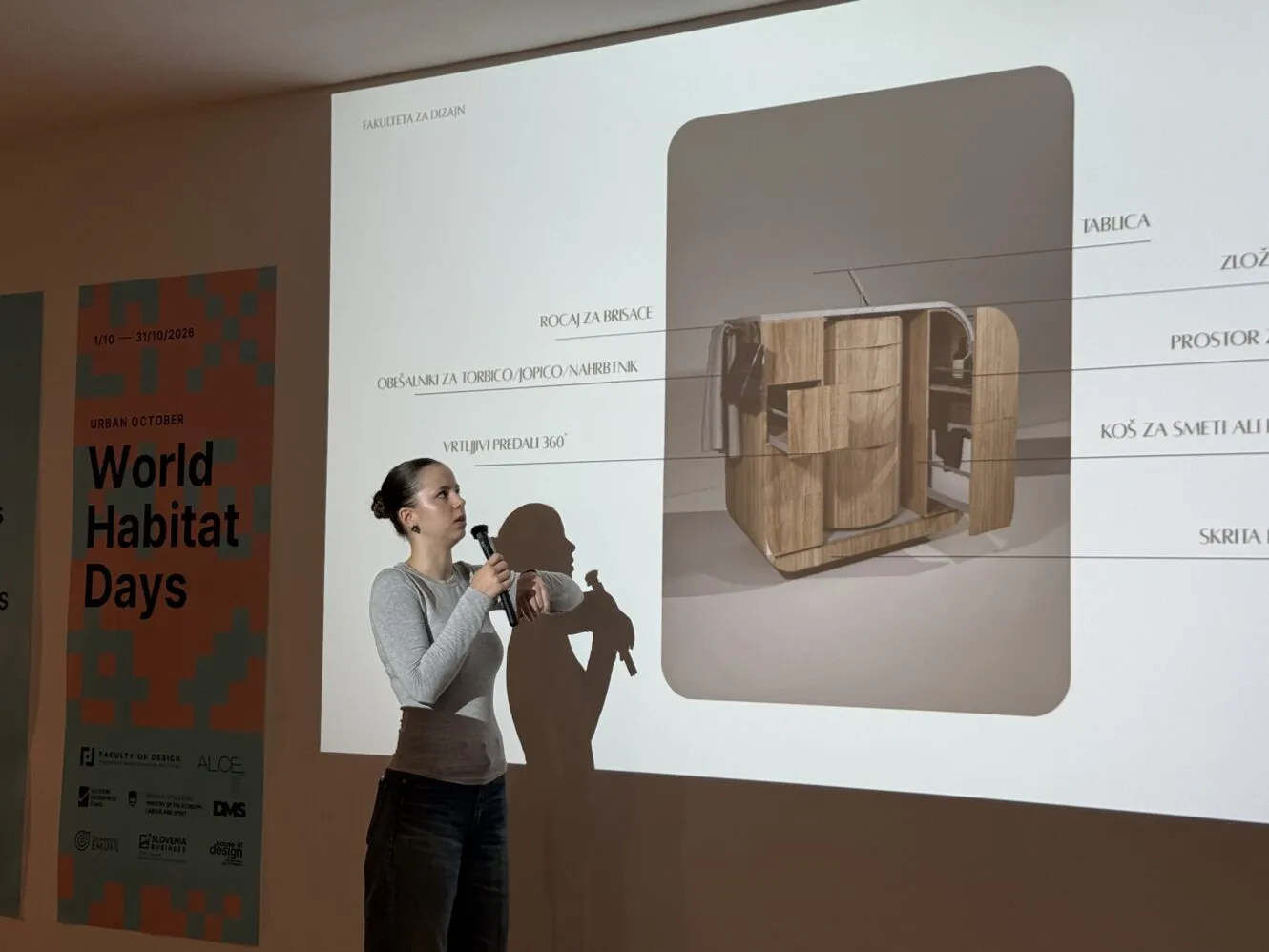
Another team focused on the aesthetic and functional improvement of storage cabinets and trolleys, designed for use in assisted living facilities, nursing homes and domestic environments.
We also discovered multifunctional wooden partition walls, offering additional uses beyond simply dividing a space, as well as exercise equipment combining design with movement and everyday user needs.
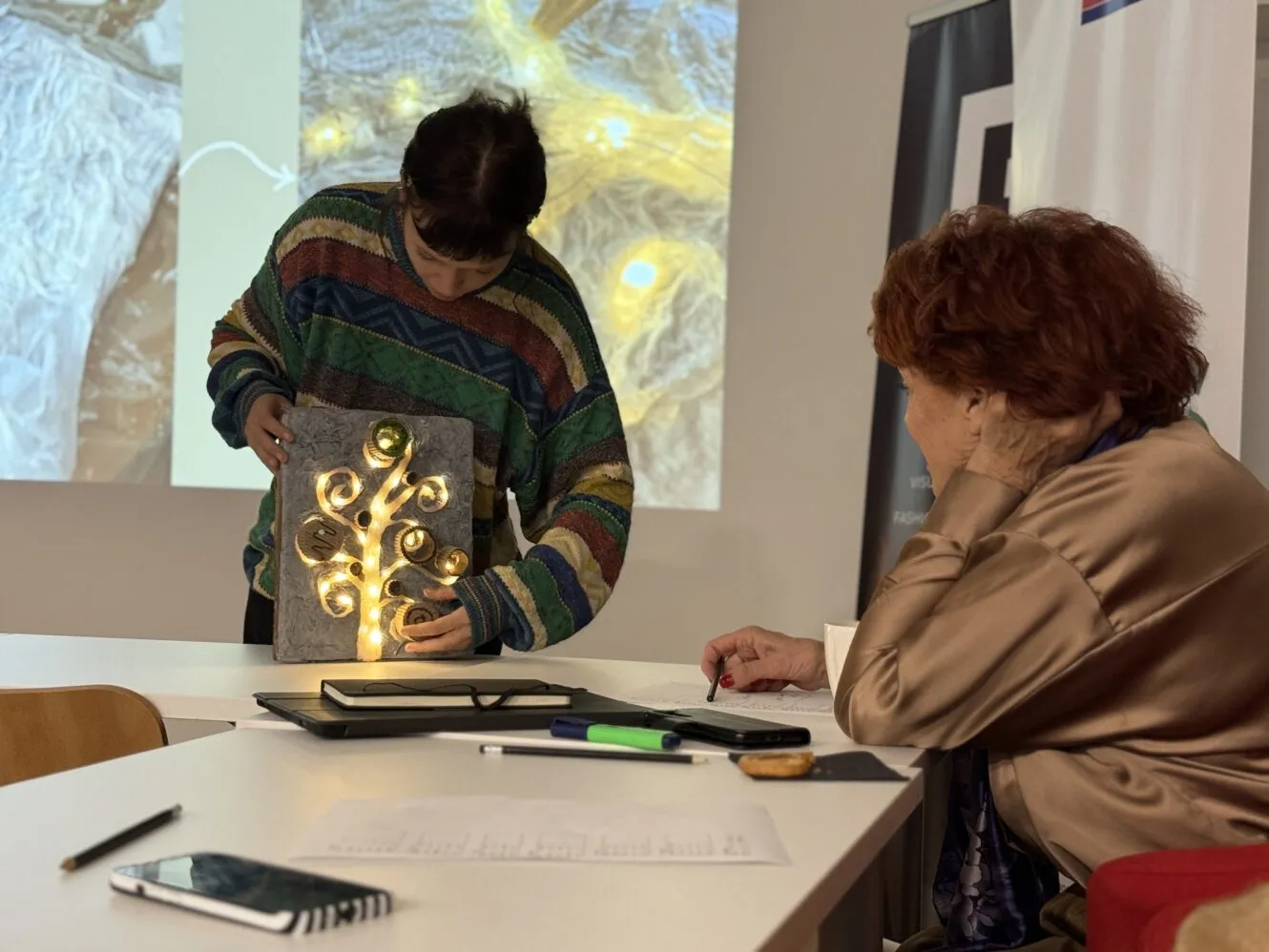
One particularly charming concept was a multisensory wall for young children, designed to encourage exploration, play and different sensory experiences.
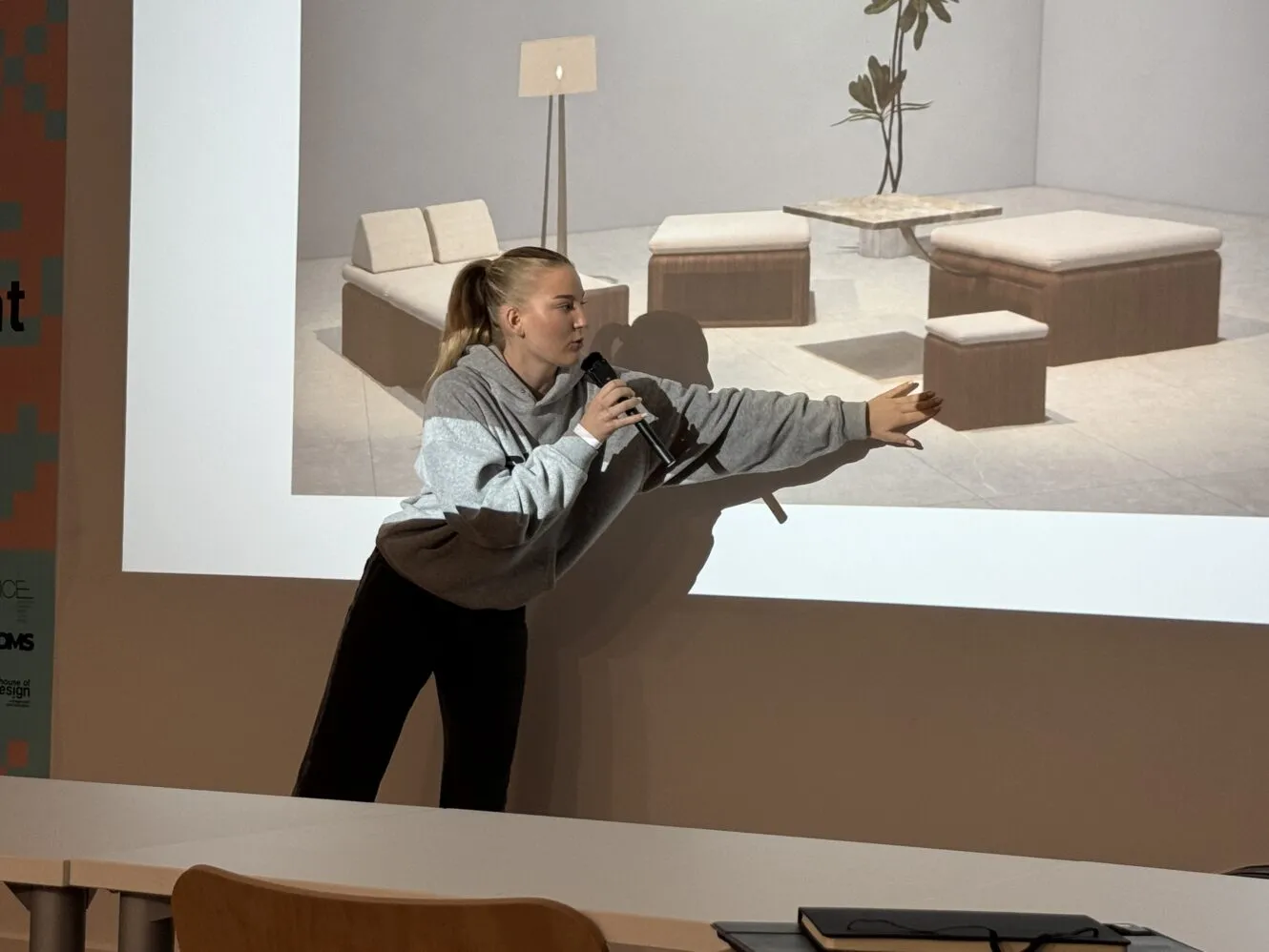
And there was also modular cube seating, offering flexible configurations and possibilities for adapting to different spaces.
And these were just some of the ideas we had the pleasure of discovering!
From workplaces and living environments to elderly care, children’s play, physical activity and adaptable furniture, our students demonstrated just how differently a single design challenge can be interpreted.
The diversity of target groups, approaches and proposed solutions was what made the presentations especially rewarding.
Final Presentations – A Little Nervousness, Plenty of Creativity and Some Thought-Provoking Questions
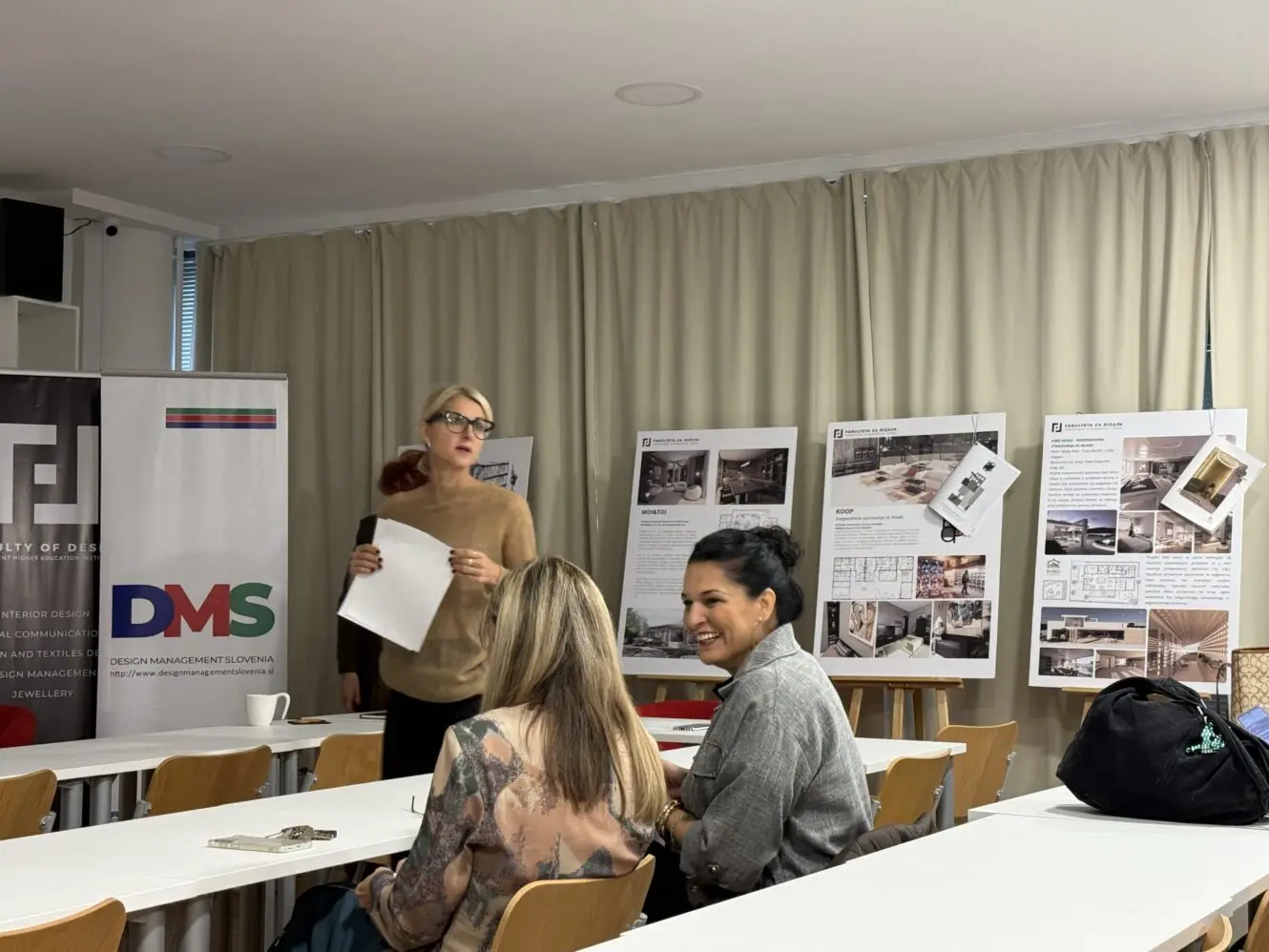
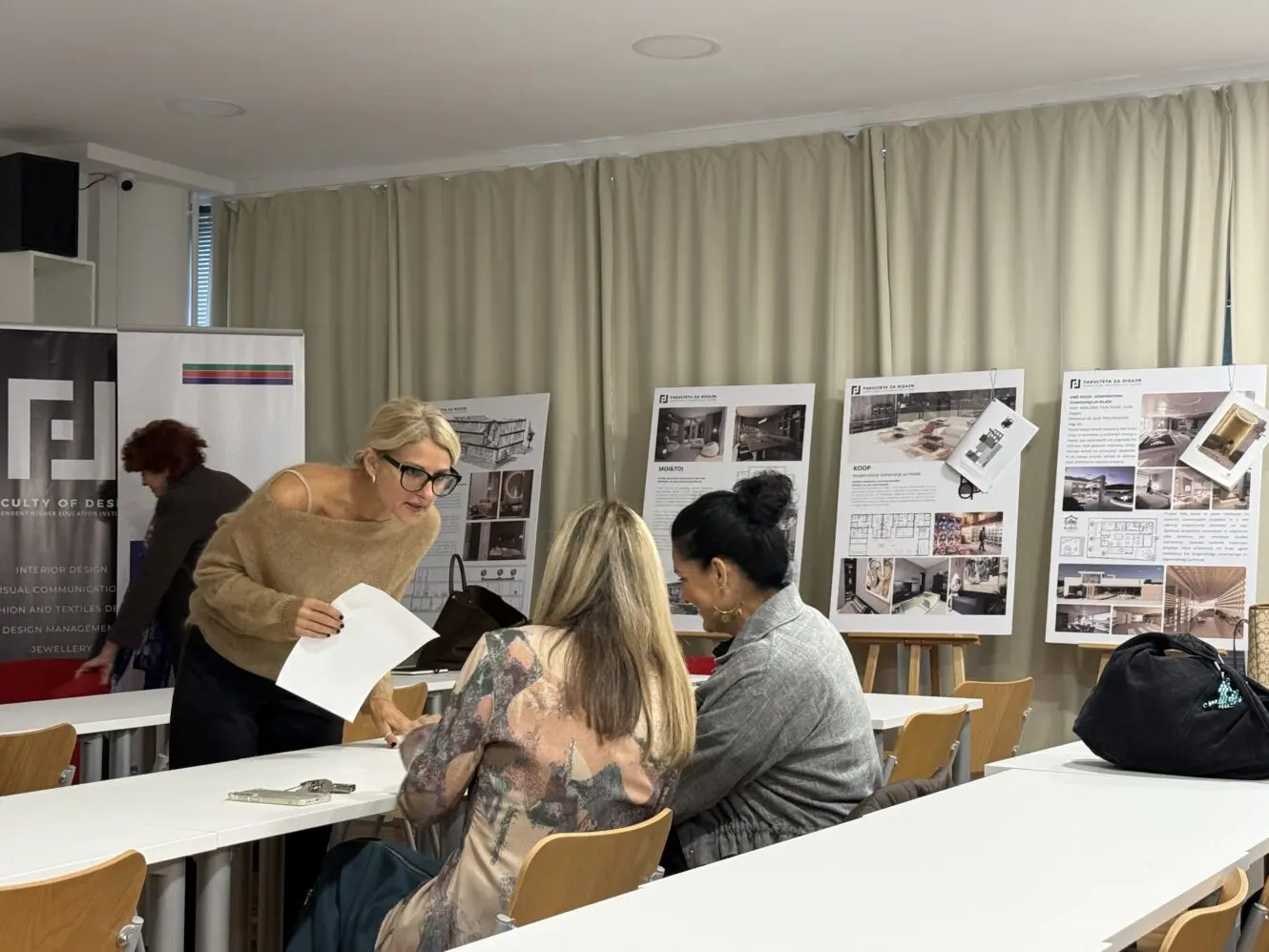
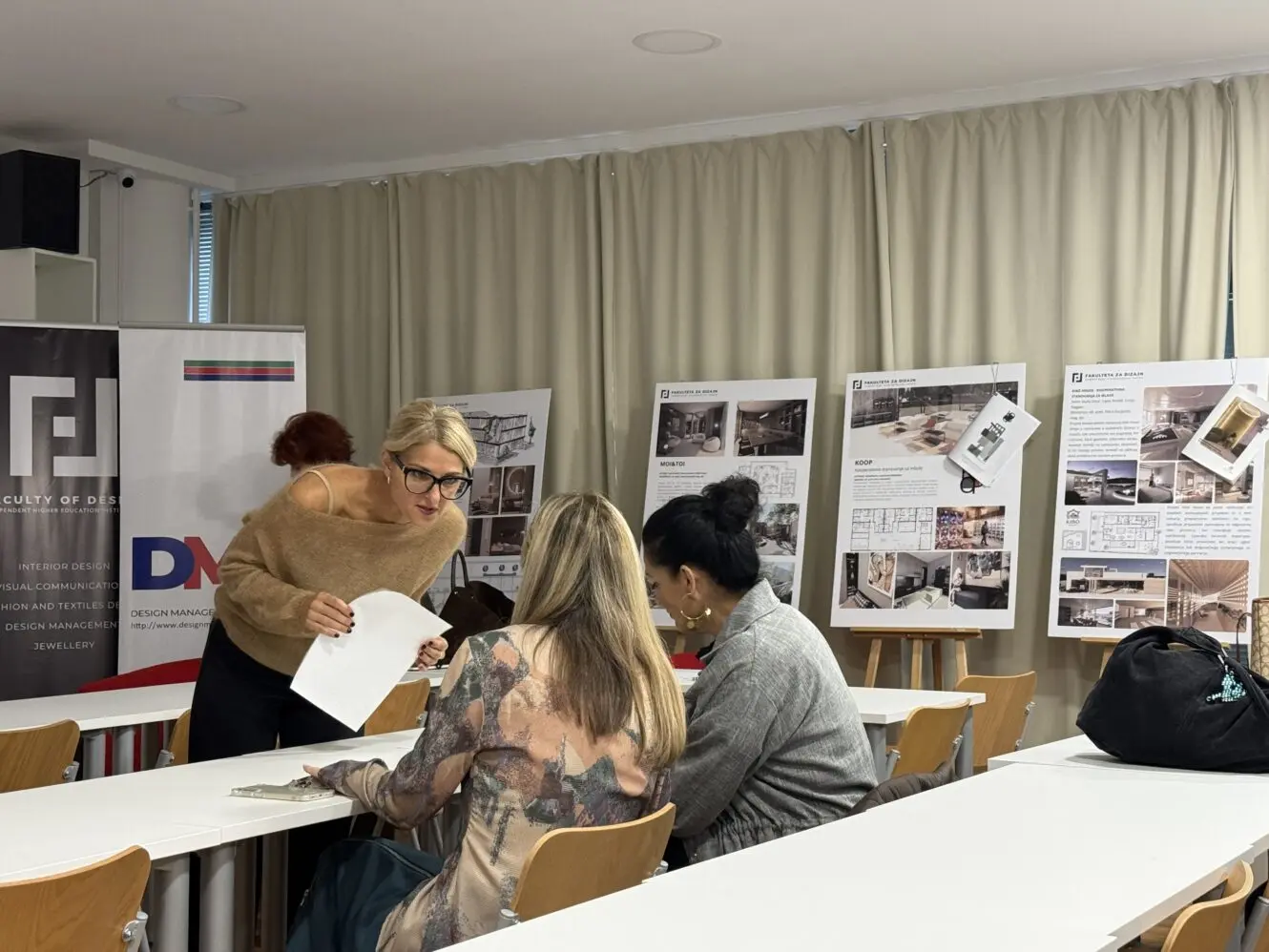
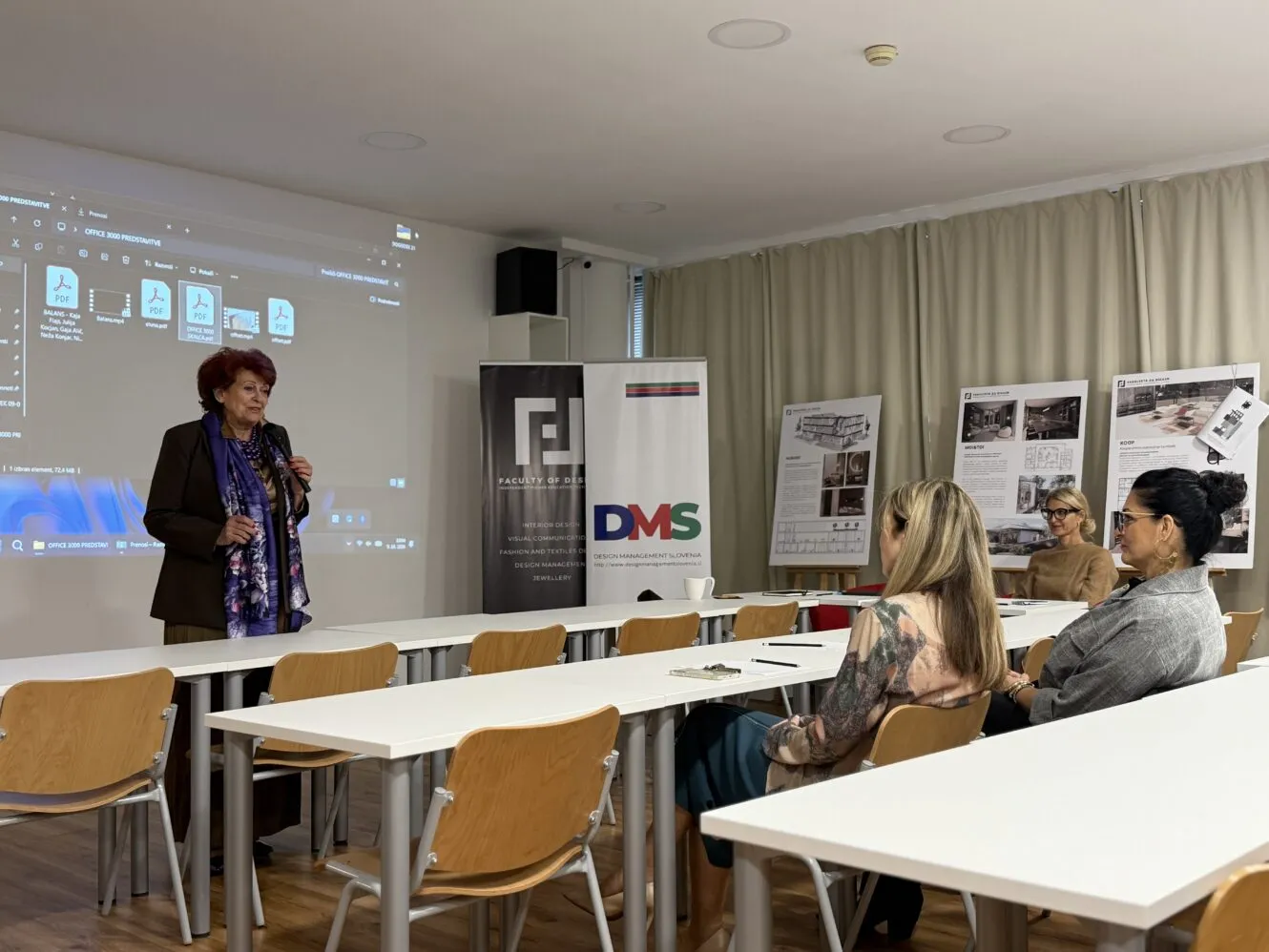
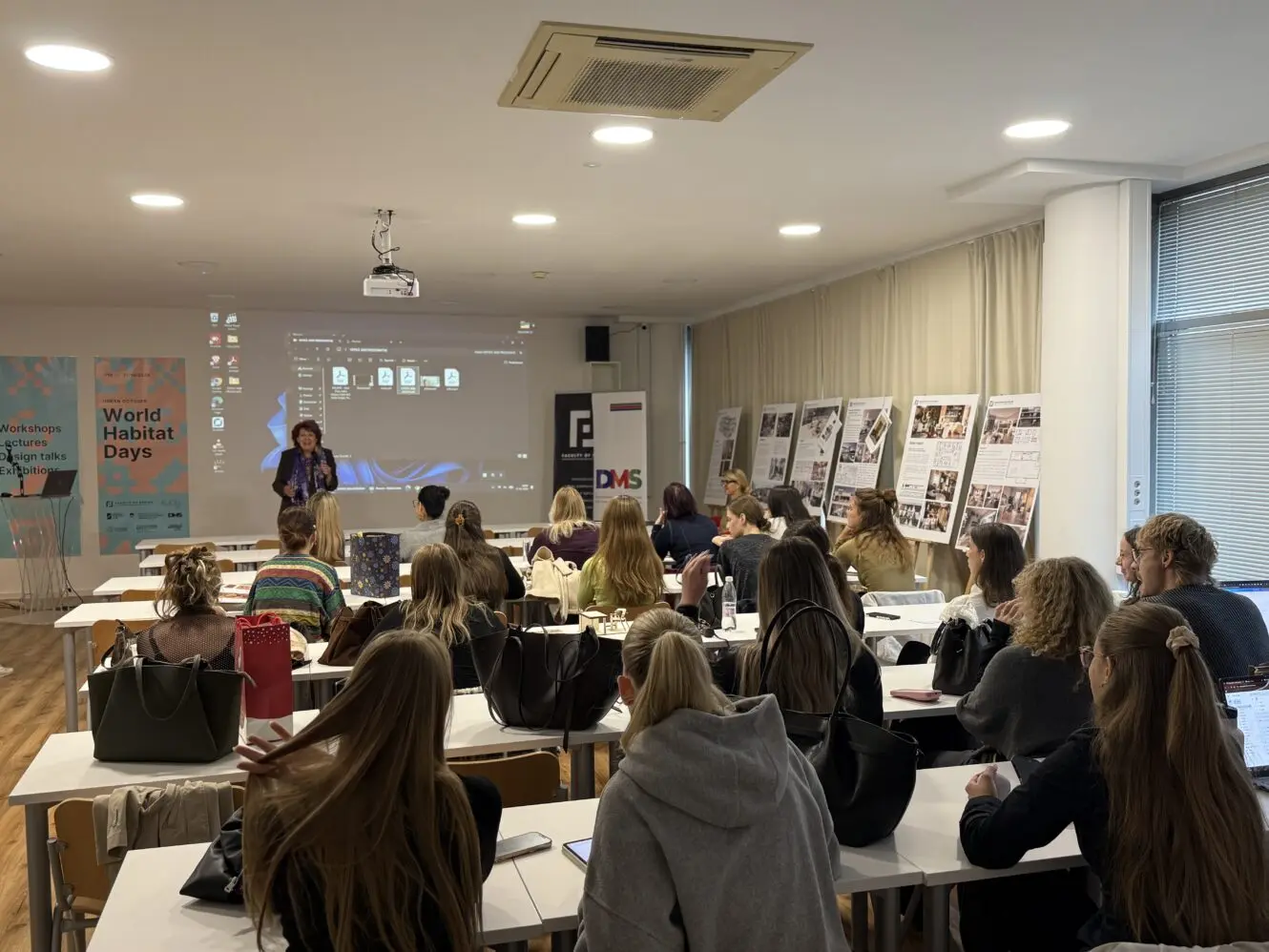
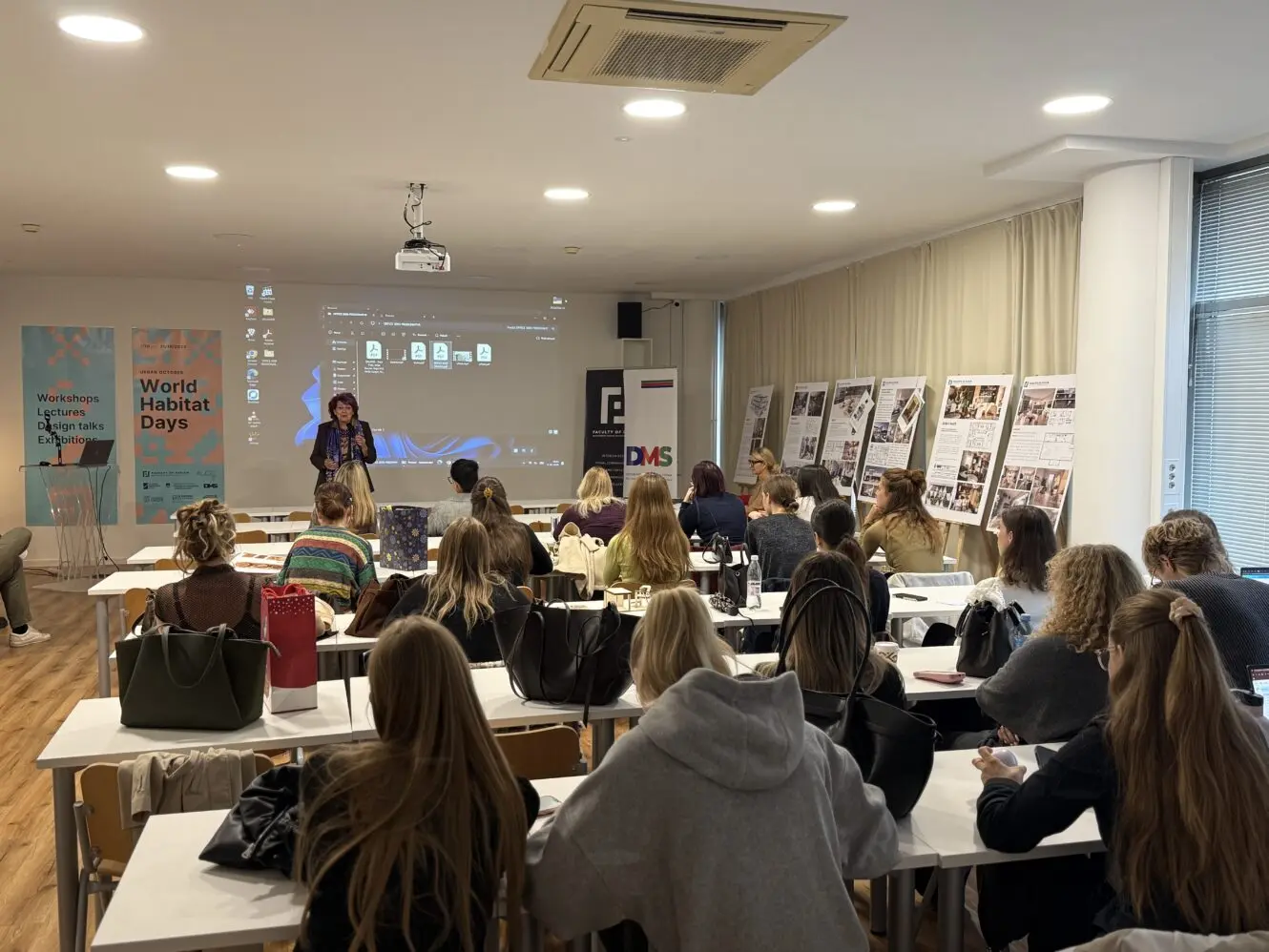
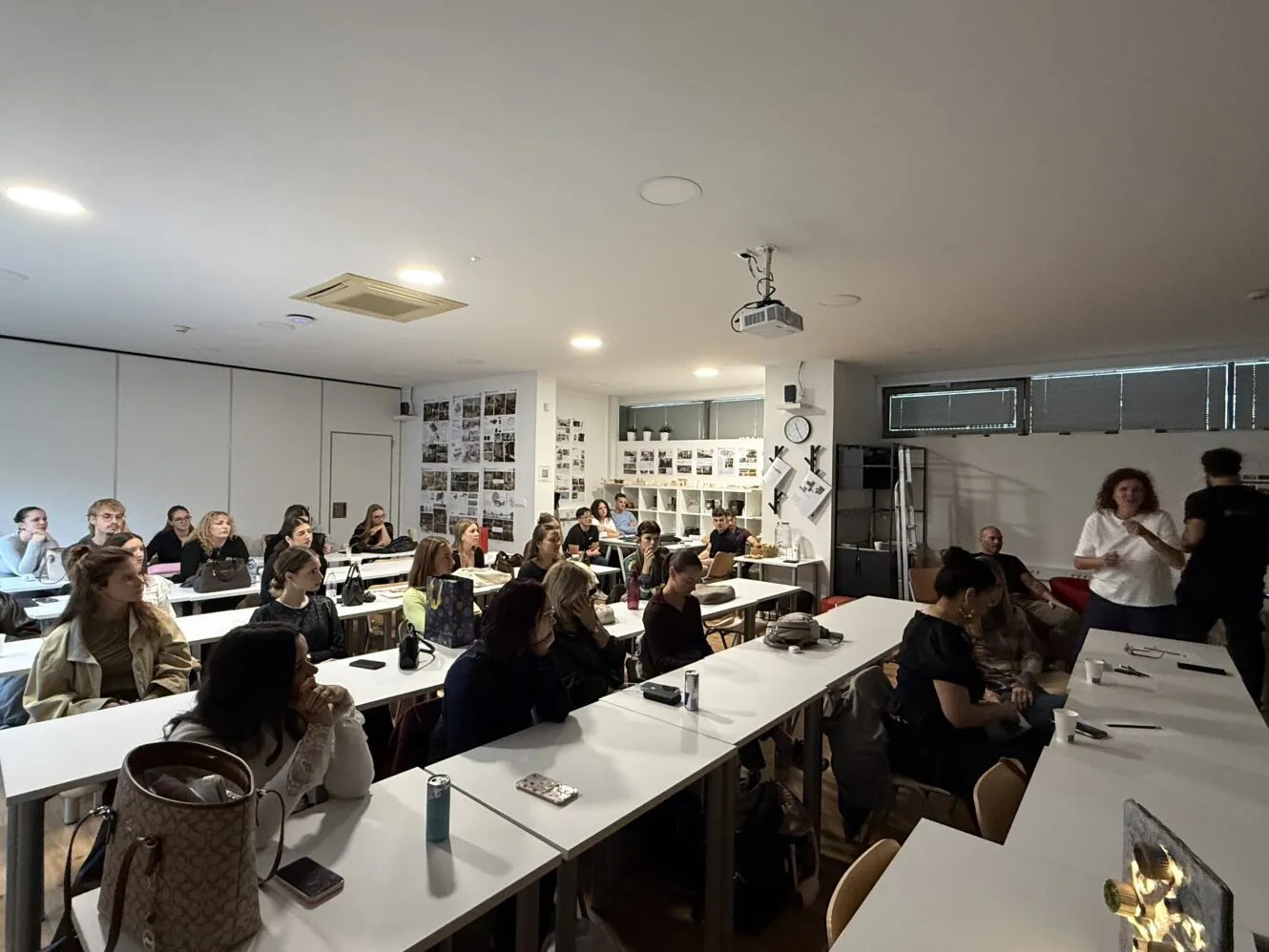
The final presentations took place in a friendly and relaxed atmosphere, although we suspect there may have been a little nervousness beforehand. 🙂
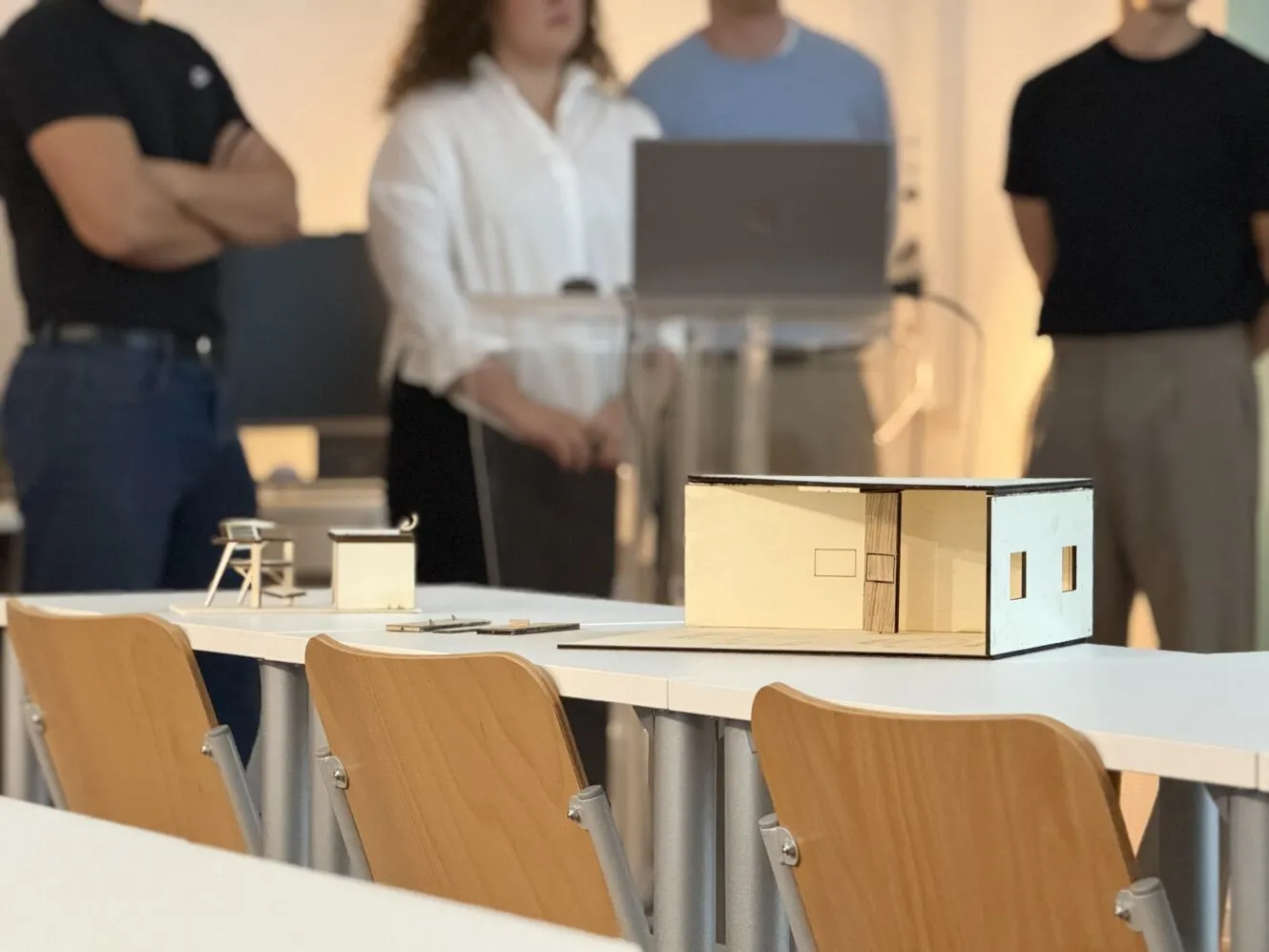
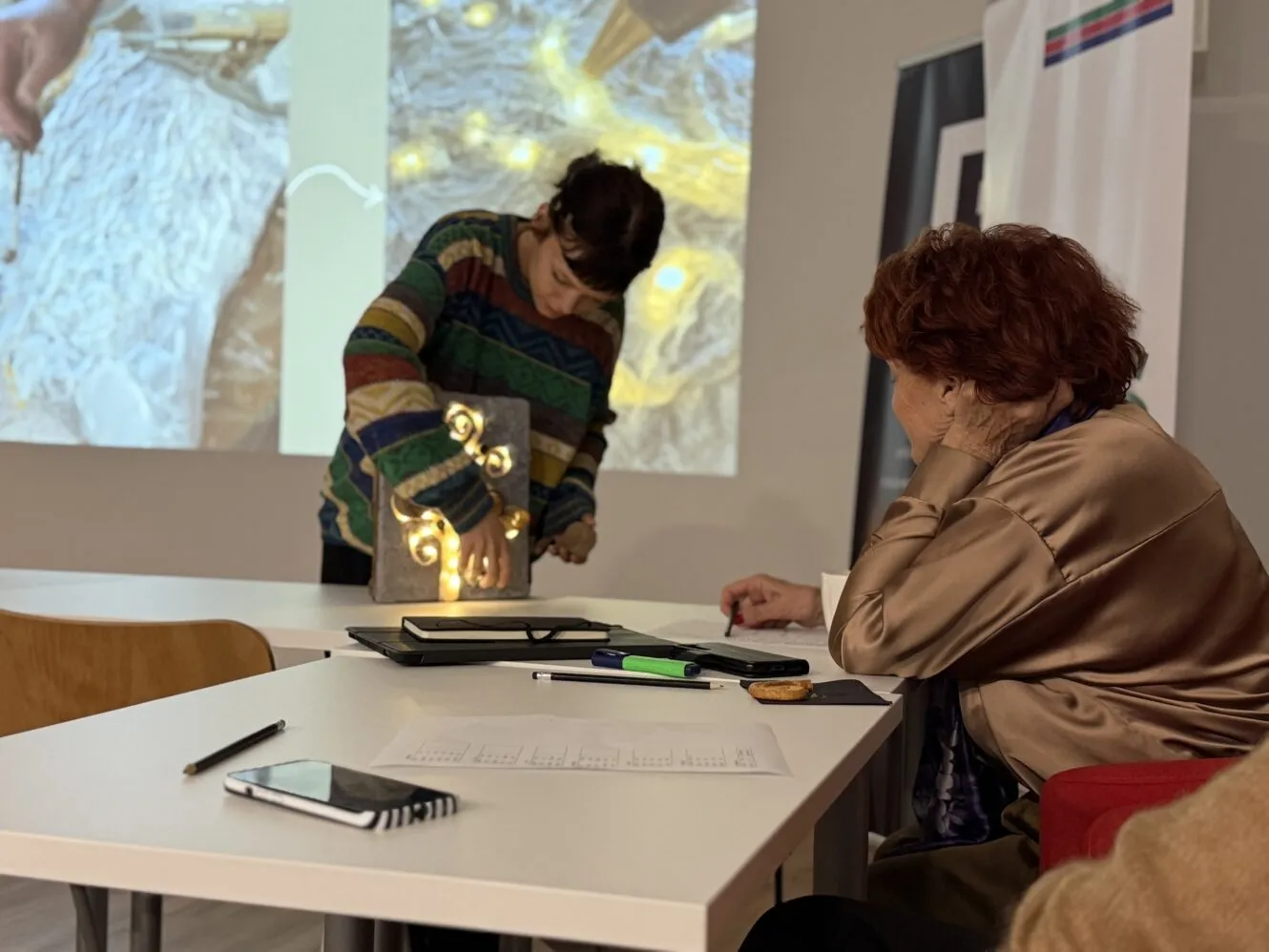
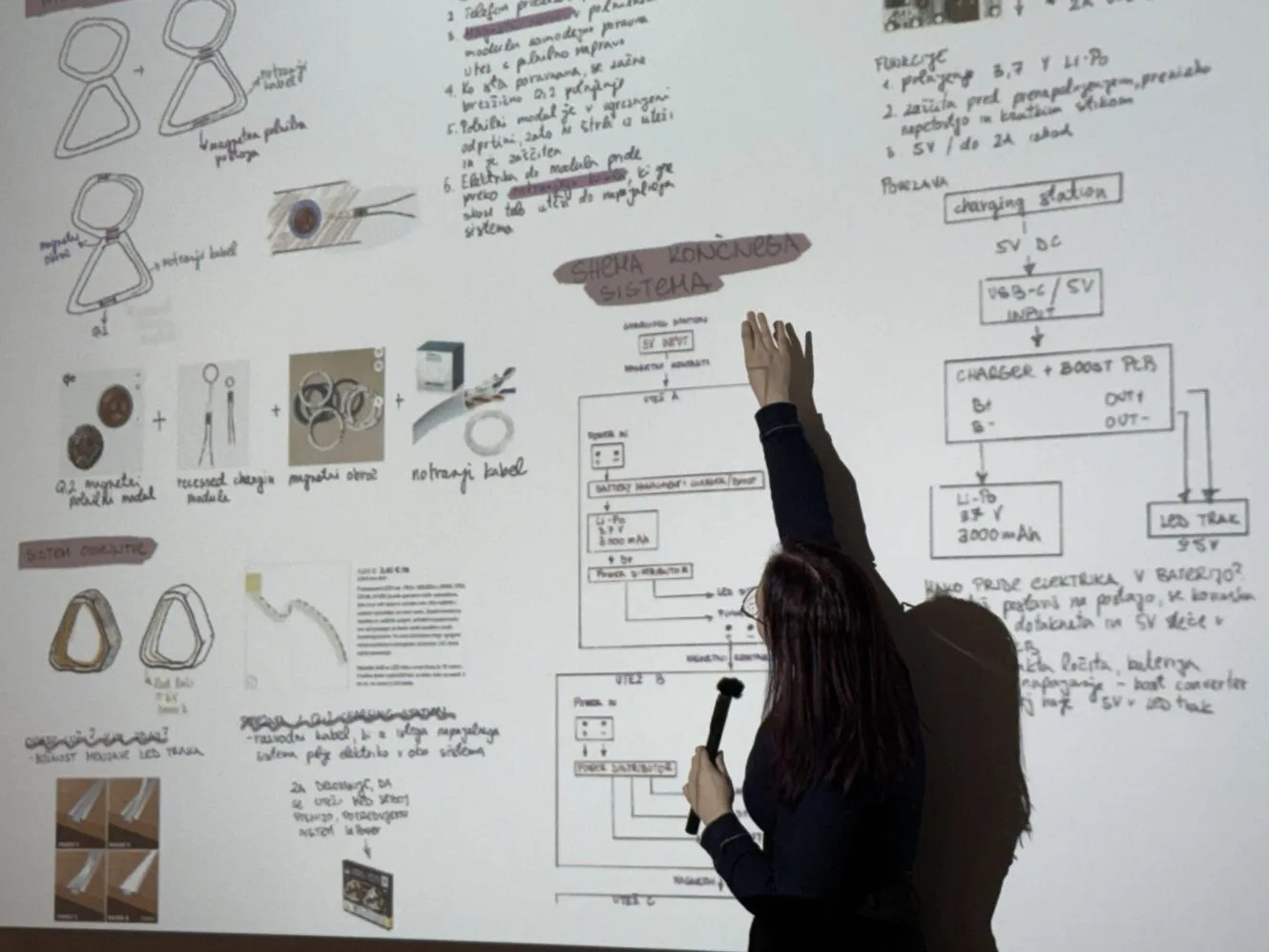
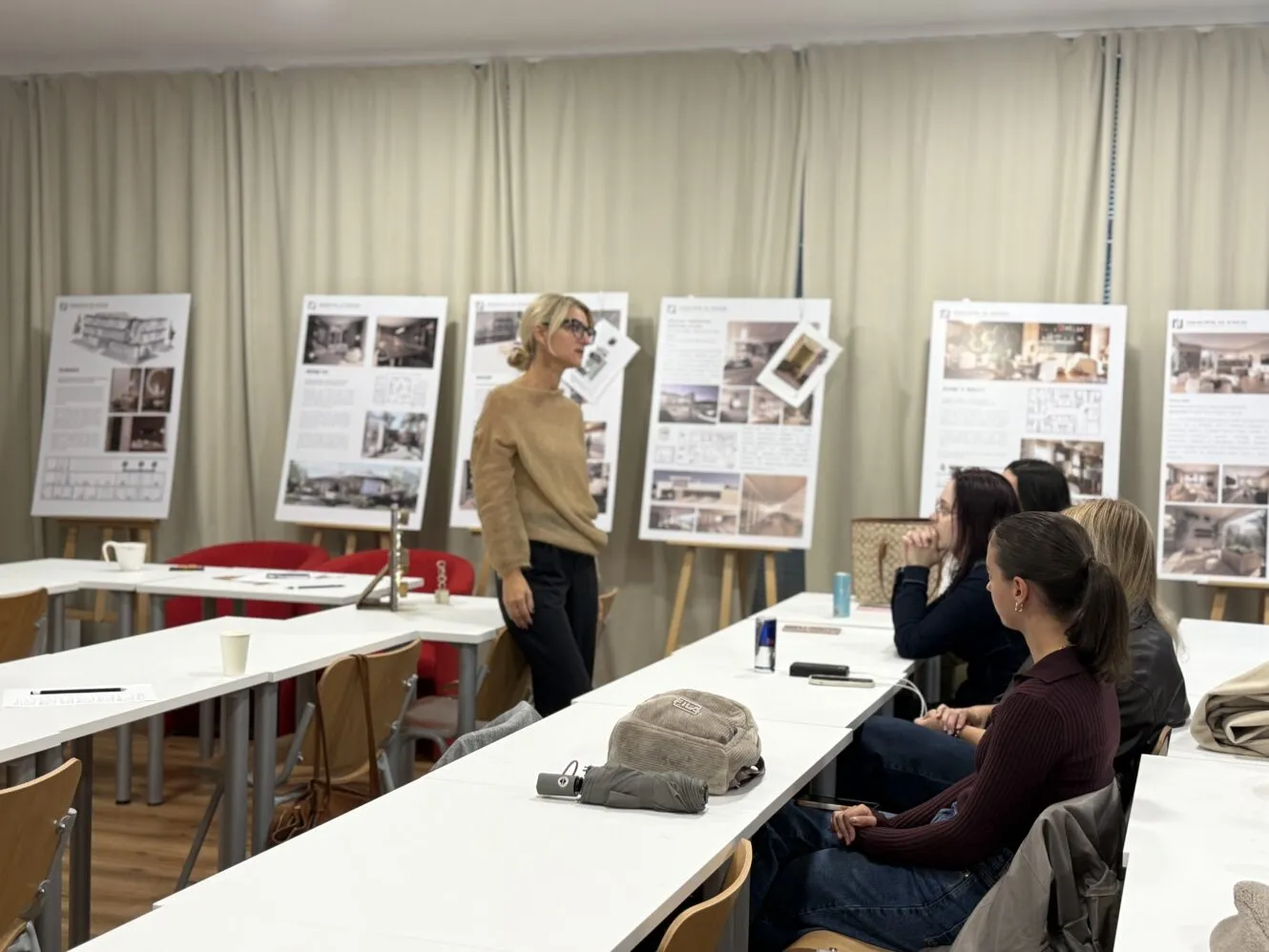
Student teams presented their concepts through visualisations, technical drawings, prototypes and other presentation materials, giving us an insight into their development process and final proposals.
Naturally, the presentations also sparked questions, comments and discussions about the potential for further development.
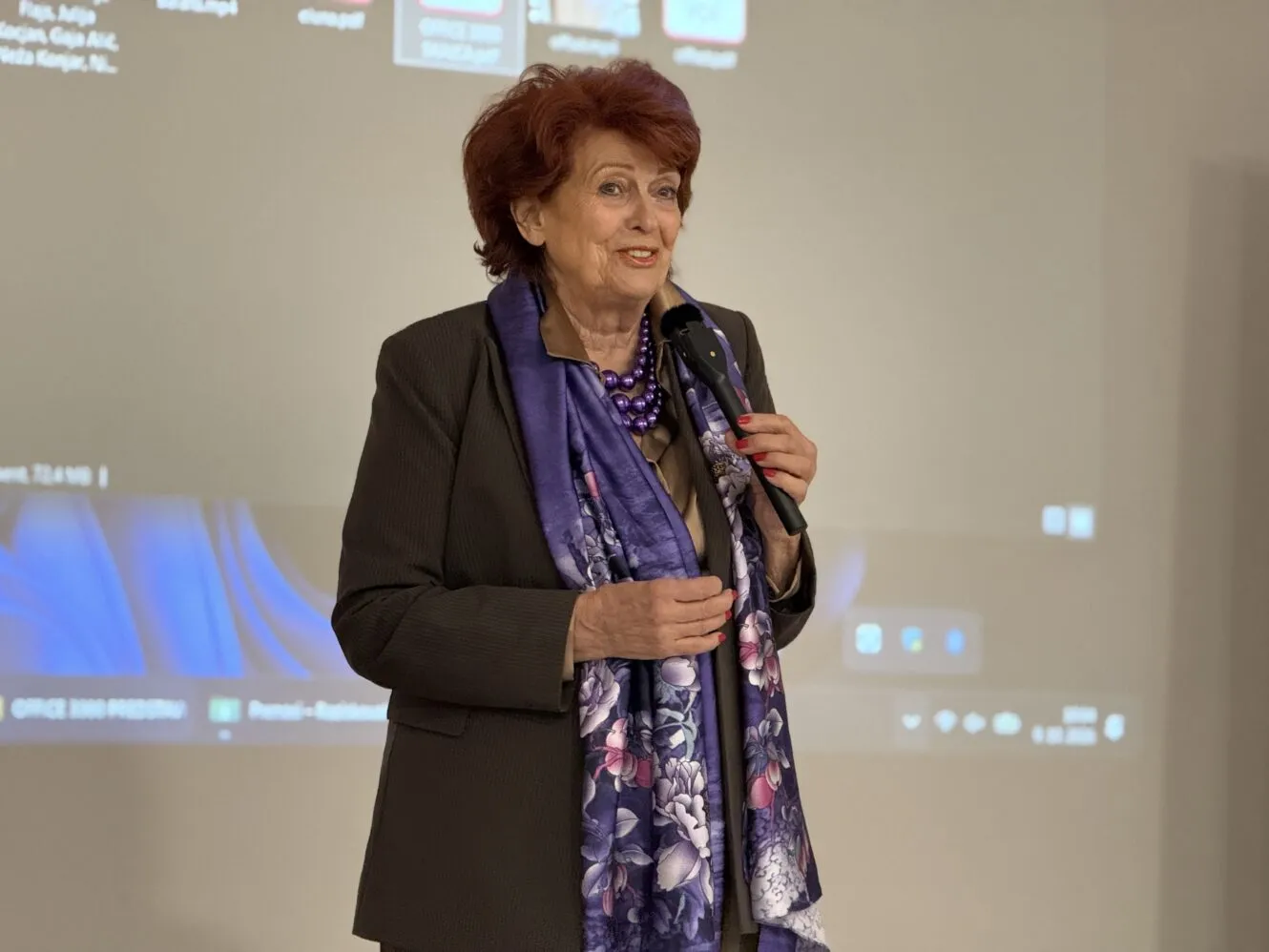
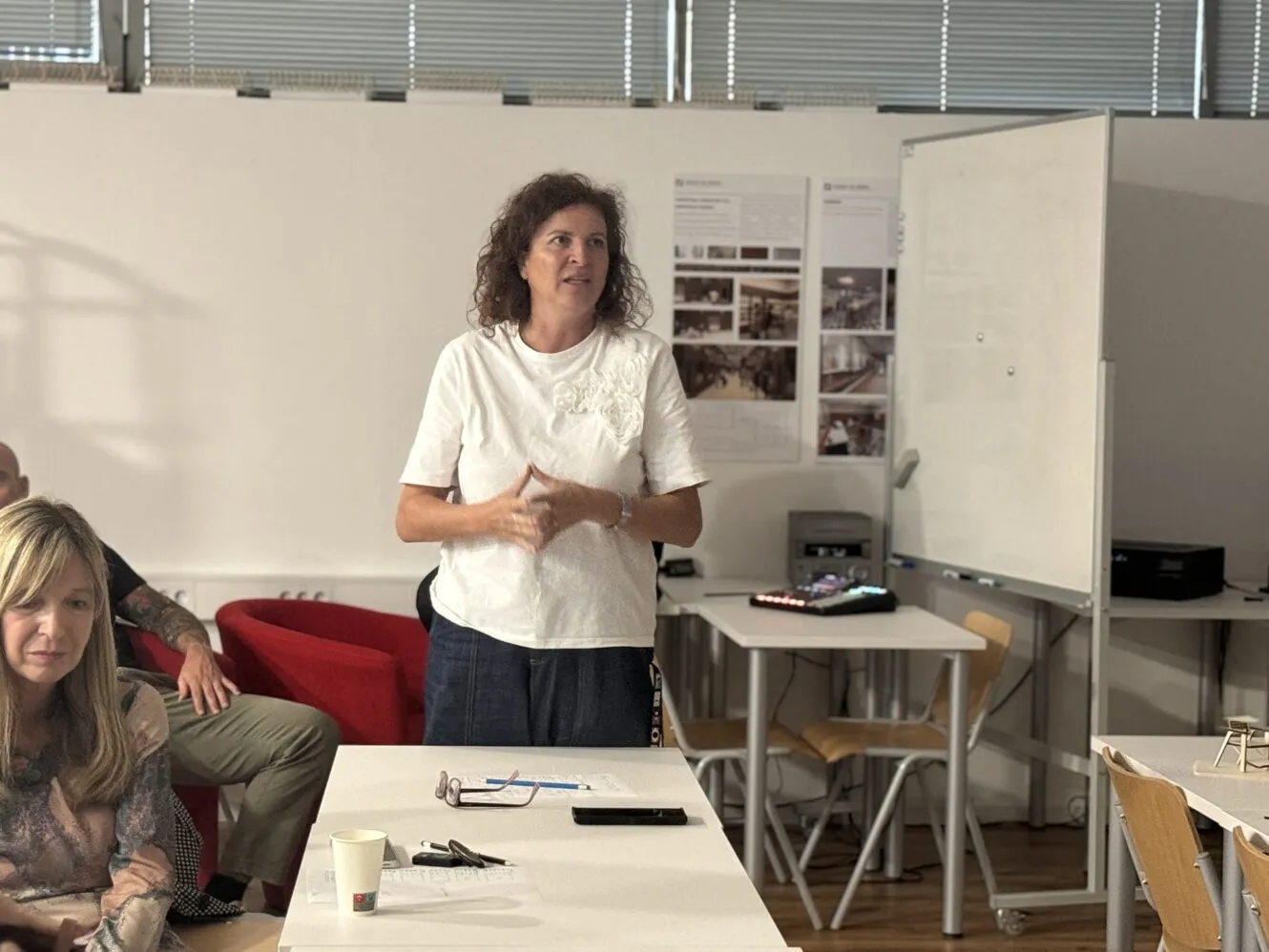
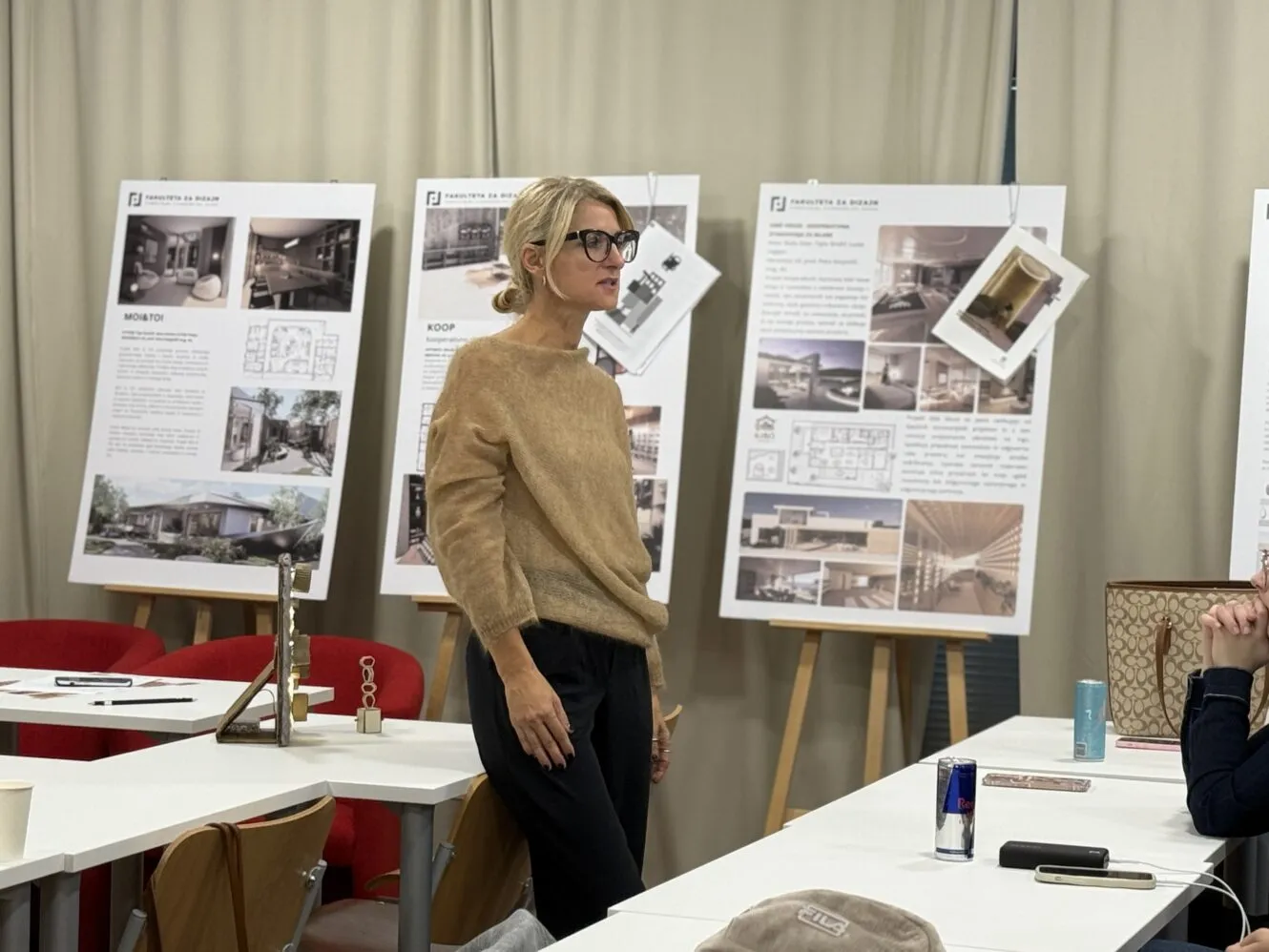
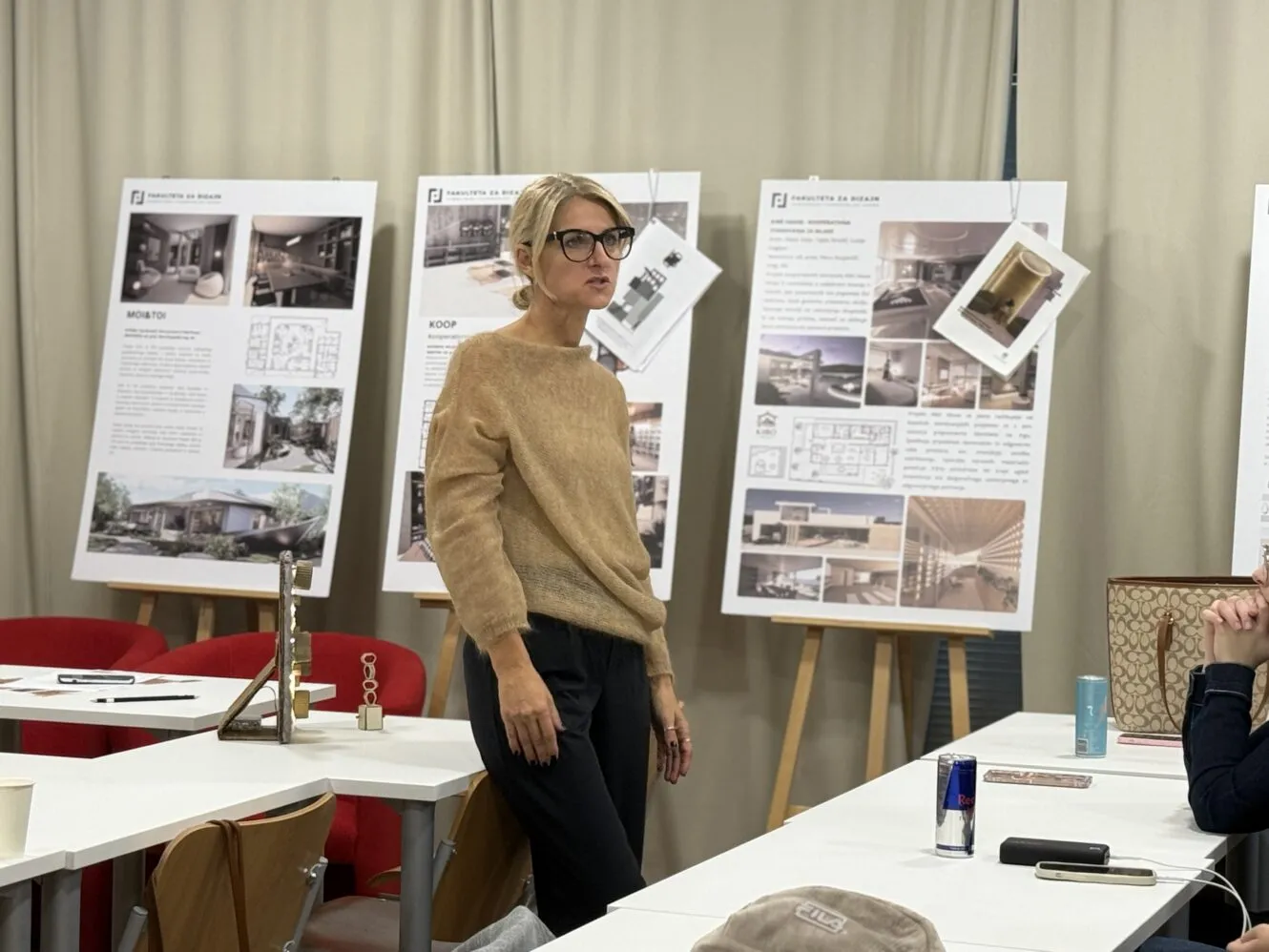
Prof. Nada Rožmanec Matičič, Acting Dean of the Faculty of Design, contributed some particularly thought-provoking and, above all, very practical questions. Her professional feedback encouraged students to reflect further on the usability, feasibility and potential of their solutions.
After all, in design, it is always worth asking what happens when an idea has to work beyond the presentation render. 🙂
And these are exactly the kinds of conversations that make the learning process so valuable.
Congratulations to Our Students and Thank You to Our Mentors!
As we bring the project to a close, we would first like to extend our sincere congratulations to all participating students.
For their original ideas, research, dedication, persistence, countless experiments and revisions, concept development and wonderfully engaging final presentations.
We were delighted to see such different solutions emerge from a shared starting point, and to witness the creativity, independent thinking and willingness to tackle real design challenges demonstrated throughout the project.
A special thank you goes to Senior Lecturer Petra Kocjančič, who guided the students throughout the project, offering professional advice, encouragement and support.
We would also like to thank Prof. Nada Rožmanec Matičič for her involvement, expert perspectives and valuable feedback, as well as Asst. Prof. Tamara Hajdu and Teaching Assistant Brina A. Lukić for their mentoring support during the development and prototyping stages.
Intensive projects like OFFICE3000 can certainly be demanding, but they also offer students something incredibly valuable: the opportunity to experience an entire creative process within a relatively short period, from initial research to the public presentation of their work.
And if there is one thing we were reminded of, it is that some of the best ideas emerge when different perspectives, skills and experiences come together.
OFFICE3000 Conceptual Projects – An Exhibition of Student Ideas
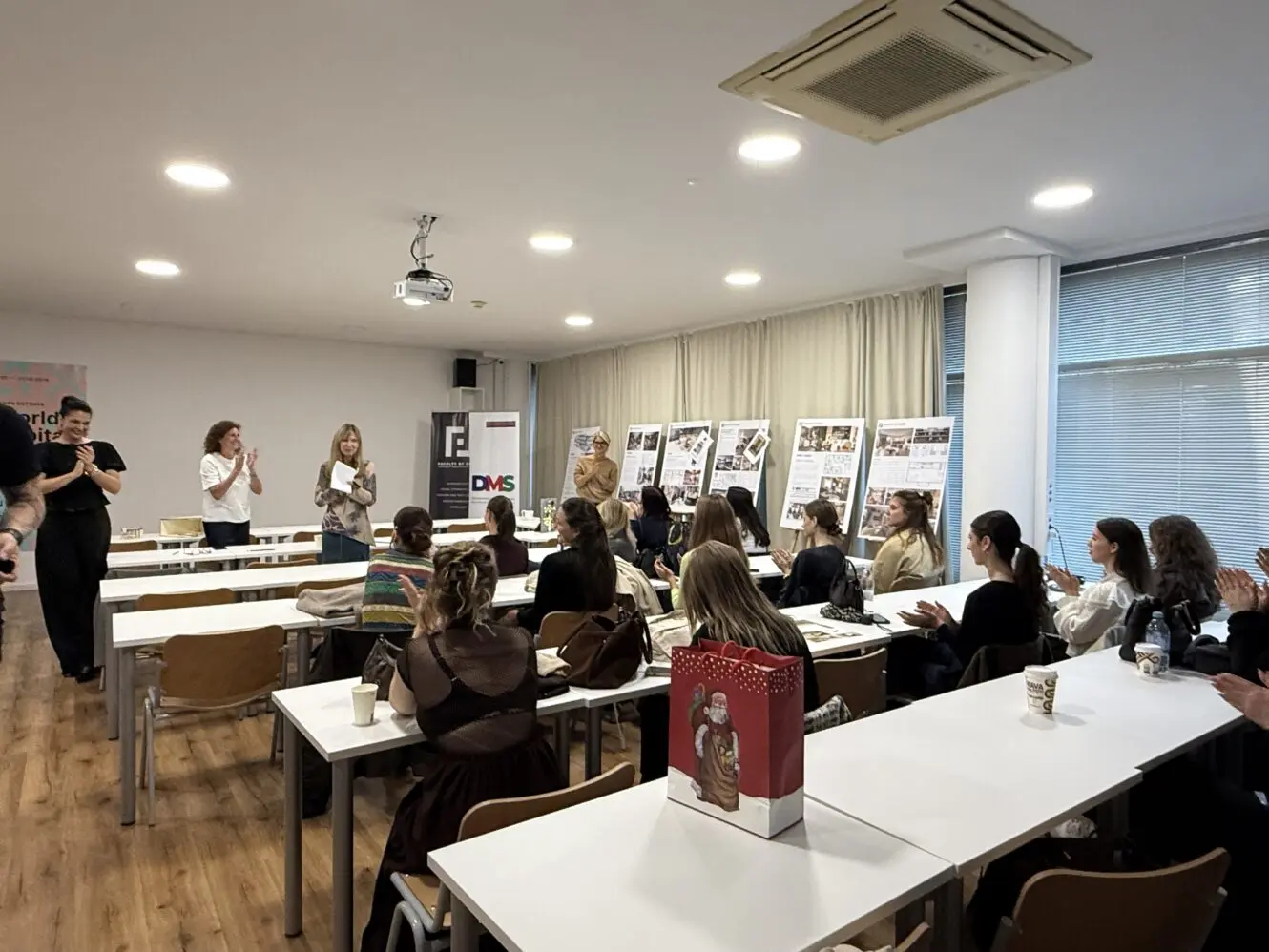
Friday’s programme also included the opening of the OFFICE3000 Conceptual Projects exhibition at the Design Thinking Lab, Faculty of Design.
The exhibition showcased the outcomes of an intensive creative process and offered an insight into the variety of student approaches to modular furniture design.
From initial research and conceptual thinking to visual presentations of the final proposals, the projects demonstrated how wood and stone can become the starting point for entirely different design stories.
We are particularly pleased that students had the opportunity to present their work to a wider audience. Public presentation is an important step in building confidence, learning to explain and defend design decisions, and gaining valuable experience for their future professional careers.
The First Week of World Habitat Days Is Over, but Urban October Continues!
Friday’s presentations marked the conclusion of the first intensive week of World Habitat Days, dedicated this year to the central theme Adequate Housing for All.
Throughout the week, the Faculty of Design welcomed numerous Slovenian and international experts, explored questions of sustainable living, architecture, design, materials, communities and the future of our living environments.
Together, we considered how design can contribute to more inclusive, responsible and higher-quality solutions, while creating opportunities for students, lecturers and professionals from different backgrounds to connect and exchange ideas.
Our sincere thanks go to everyone who contributed to this first week – our guests, mentors, lecturers, students and all the colleagues who helped organise and deliver the programme.
It was intensive, creative, occasionally a little hectic, but above all, filled with wonderful encounters and fresh ideas.
Now, perhaps our students and mentors deserve a little well-earned rest. 🙂
Well, not quite everyone just yet!
The very next day, Saturday, 10 October, our Fashion and Textiles students took to the runway at Ljubljana Fashion Week. Urban October continued its journey from modular furniture, architecture and sustainable living into the world of fashion.
And this was only the beginning of our October programme!
Part of the Urban October 2026 programme is supported by SPIRIT Slovenia as part of its wood promotion initiative.